MMRDA proposes TOD charge for projects near Metro 7
RAILWAYS & METRO RAIL

MMRDA proposes TOD charge for projects near Metro 7

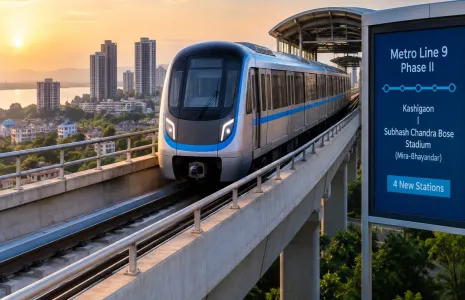
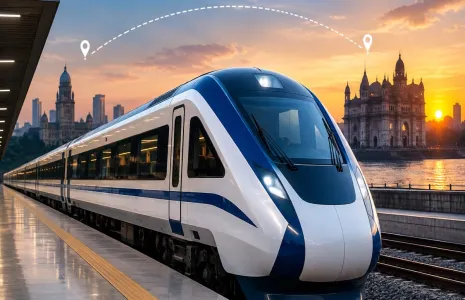
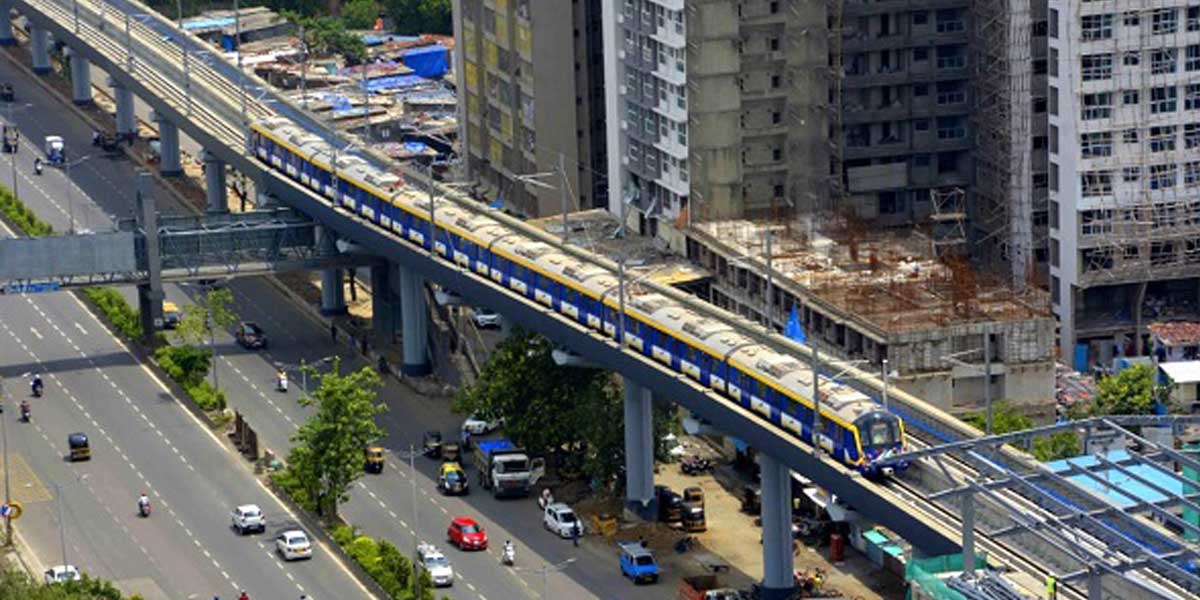
In a significant role reversal, the Mumbai Metropolitan Region Development Authority (MMRDA) has submitted a proposal to the urban development department suggesting the implementation of a transit-oriented development (TOD) charge on new residential and commercial buildings within a 200-meter radius of the Gundavali-Dahisar East Metro 7 line. This proposal, discussed during a recent MMRDA meeting chaired by Chief Minister Eknath Shinde, aims to tap into the profits generated by developers who have benefited from government infrastructure projects for years. The fee amount is yet to be determined by the MMRDA.

SVR Srinivas, the metropolitan commissioner of MMRDA, stated that the concept of TOD is being explored on a larger scale, starting with Metro 7 as a pilot project. If approved, this approach can be replicated in other mass transit projects, potentially generating Rs 100 billion for the MMRDA, according to officials.

Developers have marketed their properties by emphasising their proximity to metro lines, bridges, and flyovers, resulting in substantial profits from selling premium inventories. The MMRDA aims to redirect some of these benefits toward the city's development. However, developers argue that they are already burdened with various charges paid to the government and are not willing to incur additional expenses.

Metro 7, situated on the western express highway, has had a transformative effect on the region. Property registrations in the western suburbs have increased from 51% in April 2022, when phase 1 of metro lines 2A and 7 commenced, to 58% in May 2023, as reported by Knight Frank India.

Prominent developers such as Godrej Properties, Adani Realty, and Shapoorji Pallonji have undertaken construction or proposed multi-storied buildings along the western express highway and Metro 7. The operational metro lines have brought about a significant change in the dynamics of the region, according to Vivek Mohanani, MD and CEO of Ekta World.

In a significant role reversal, the Mumbai Metropolitan Region Development Authority (MMRDA) has submitted a proposal to the urban development department suggesting the implementation of a transit-oriented development (TOD) charge on new residential and commercial buildings within a 200-meter radius of the Gundavali-Dahisar East Metro 7 line. This proposal, discussed during a recent MMRDA meeting chaired by Chief Minister Eknath Shinde, aims to tap into the profits generated by developers who have benefited from government infrastructure projects for years. The fee amount is yet to be determined by the MMRDA. SVR Srinivas, the metropolitan commissioner of MMRDA, stated that the concept of TOD is being explored on a larger scale, starting with Metro 7 as a pilot project. If approved, this approach can be replicated in other mass transit projects, potentially generating Rs 100 billion for the MMRDA, according to officials. Developers have marketed their properties by emphasising their proximity to metro lines, bridges, and flyovers, resulting in substantial profits from selling premium inventories. The MMRDA aims to redirect some of these benefits toward the city's development. However, developers argue that they are already burdened with various charges paid to the government and are not willing to incur additional expenses. Metro 7, situated on the western express highway, has had a transformative effect on the region. Property registrations in the western suburbs have increased from 51% in April 2022, when phase 1 of metro lines 2A and 7 commenced, to 58% in May 2023, as reported by Knight Frank India. Prominent developers such as Godrej Properties, Adani Realty, and Shapoorji Pallonji have undertaken construction or proposed multi-storied buildings along the western express highway and Metro 7. The operational metro lines have brought about a significant change in the dynamics of the region, according to Vivek Mohanani, MD and CEO of Ekta World.

Next Story
Infrastructure Urban

Infrastructure Opportunity Outlook by IMPACCT.Info

India’s infrastructure pipeline is witnessing dynamic activity across stages — from immediate bidding to future planning. IMPACCT segments these into three categories: Immediate, 3–6 Month, and Future Opportunities, enabling businesses to identify, prepare, and participate in high-value tenders and projects across sectors.To read the full article Click Here..

Next Story
Infrastructure Transport

The Road Ahead Begins Here

The future of India’s roads took centrestage at RAHSTA Expo 2026, where policymakers, contractors and industry leaders came together under one roof. The event blended thought leadership, technology showcase and industry recognition into a single powerful platform.India’s roads and highways community gathered in full strength at the Jio World Convention Centre, Mumbai, on July 8-9, 2026, for the 16th edition of the RAHSTA Expo (Roads and Highways Sustainable Technologies & Advancement). Over two action-packed days, the event brought together policymakers, contractors, consultants, devel..

Next Story
Infrastructure Urban

Wricks® is 50 per cent stronger than conventional bricks

India’s construction boom is colliding with mounting plastic and demolition waste. Angirus is responding with Wricks®, made from recycled waste and already deployed in over 400,000 units nationwide. Kunjpreet Arora, Cofounder and CEO, explains the technology, impact and growth roadmap.With several alternative building materials available, what industry gap did Angirus identify and how does Wricks® address it?The construction industry already has alternatives such as AAC blocks, fly-ash bricks and concrete blocks but these have limitations. AAC blocks may crack due to contraction and expans..

Advertisement

Subscribe to Our Newsletter

Get daily newsletters around different themes from Construction world.

STAY CONNECTED

Advertisement

Advertisement

Advertisement