Mumbai Metro Line 4 to Get First Driverless Train in December
RAILWAYS & METRO RAIL

Mumbai Metro Line 4 to Get First Driverless Train in December

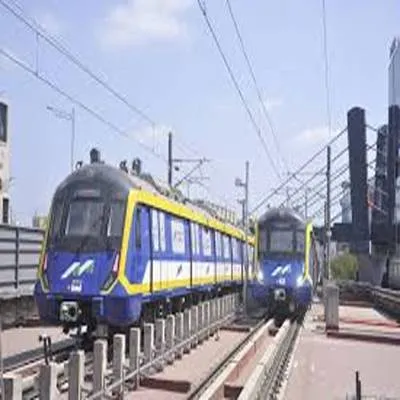
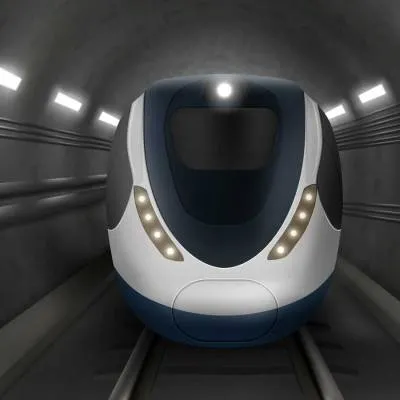
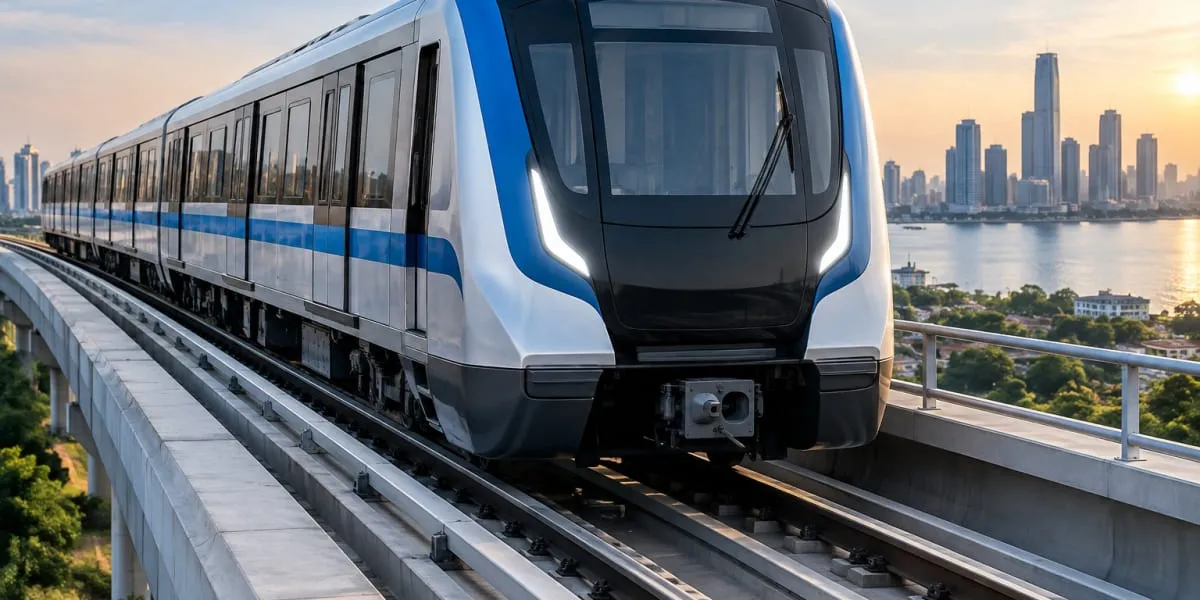
Alstom has unveiled the first driverless Metropolis trainset for Mumbai Metro Lines 4 and 4A at its facility in Sri City, Andhra Pradesh. The French manufacturer is scheduled to deliver the trainset to Mumbai in December 2026 as part of an order for 39 trainsets. The first train is expected to be dispatched by the end of November and could arrive in the first or second week of December after a journey of about a week to 10 days.

The new trains will feature wheelchair accessibility, dedicated bicycle racks and airflow-based cooling. Alstom said the trainset is the first of its trains in India to include dedicated bicycle racks. It has a designed speed of 90 kmph and an operational speed of 80 kmph, with the equipment intended to support faster and more convenient travel across the corridor.

Train-level testing is nearly complete, while signalling integration and other validation work are expected to require another three to four weeks. The train will then undergo certification by the Research Designs and Standards Organisation and the Commissioner of Metro Railway Safety. The approval process will include high-speed trials, braking tests and ride-quality assessments before passenger operations can begin.

The Mumbai Metropolitan Region Development Authority, or MMRDA, plans to use trains from Metro Lines 2 and 7 for the corridor’s phased opening. Alstom is targeting the passenger-operations milestone by August 2027, although the start date will depend on testing, certification and other approvals.

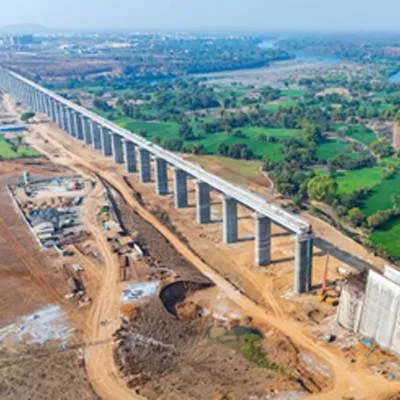
The 32.32-km elevated Metro Line 4 will connect Wadala in Mumbai with Kasarvadavali in Thane through 30 stations. MMRDA estimates that the corridor could reduce existing travel times by 50 to 75 per cent, depending on road conditions. Metro Line 4A will extend connectivity towards Gaimukh.

The trains were designed in Bengaluru and manufactured at Sri City. Propulsion systems and bogies are being supplied from Coimbatore and Savli, respectively. Alstom is also providing signalling systems, depot equipment and five years of maintenance services for the project.

Alstom has unveiled the first driverless Metropolis trainset for Mumbai Metro Lines 4 and 4A at its facility in Sri City, Andhra Pradesh. The French manufacturer is scheduled to deliver the trainset to Mumbai in December 2026 as part of an order for 39 trainsets. The first train is expected to be dispatched by the end of November and could arrive in the first or second week of December after a journey of about a week to 10 days. The new trains will feature wheelchair accessibility, dedicated bicycle racks and airflow-based cooling. Alstom said the trainset is the first of its trains in India to include dedicated bicycle racks. It has a designed speed of 90 kmph and an operational speed of 80 kmph, with the equipment intended to support faster and more convenient travel across the corridor. Train-level testing is nearly complete, while signalling integration and other validation work are expected to require another three to four weeks. The train will then undergo certification by the Research Designs and Standards Organisation and the Commissioner of Metro Railway Safety. The approval process will include high-speed trials, braking tests and ride-quality assessments before passenger operations can begin. The Mumbai Metropolitan Region Development Authority, or MMRDA, plans to use trains from Metro Lines 2 and 7 for the corridor’s phased opening. Alstom is targeting the passenger-operations milestone by August 2027, although the start date will depend on testing, certification and other approvals. The 32.32-km elevated Metro Line 4 will connect Wadala in Mumbai with Kasarvadavali in Thane through 30 stations. MMRDA estimates that the corridor could reduce existing travel times by 50 to 75 per cent, depending on road conditions. Metro Line 4A will extend connectivity towards Gaimukh. The trains were designed in Bengaluru and manufactured at Sri City. Propulsion systems and bogies are being supplied from Coimbatore and Savli, respectively. Alstom is also providing signalling systems, depot equipment and five years of maintenance services for the project.

Related Stories

Gold Stories

Next Story
Real Estate

Landmark Group plans Rs 150 billion NCR expansion

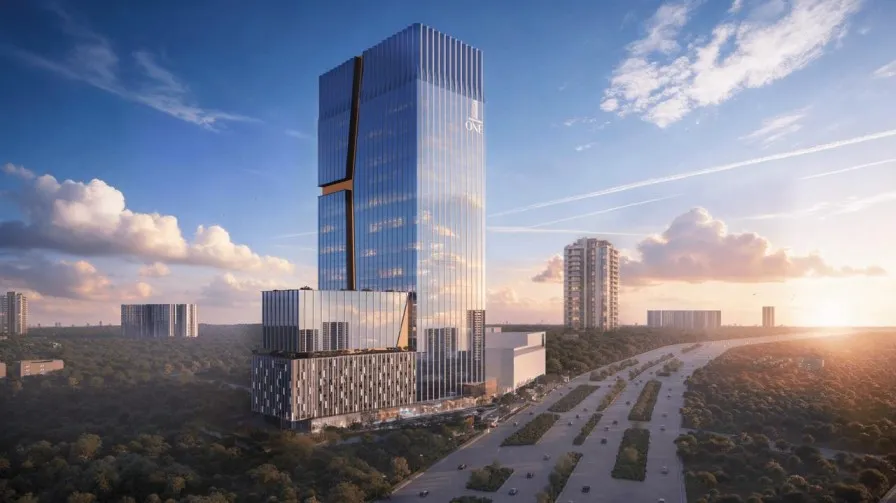
Landmark Group has announced expansion plans across two real estate projects in the National Capital Region (NCR), with a combined estimated sales potential of Rs 150 billion. The projects include Landmark One, a 2.1 million sq ft corporate office development on Golf Course Extension Road in Gurugram, and a proposed integrated hospitality, commercial and residential development on Dwarka Expressway.Landmark One has an estimated sales value of Rs 40 billion. The project involves an estimated construction investment of Rs 10 billion, apart from the underlying land, currently valued at around Rs ..
Next Story
Real Estate

RMZ entities secure 5-Star ratings in GRESB 2026

RMZ has been recognised as a Global and Regional Sector Leader in the 2026 Global Real Estate Sustainability Benchmark (GRESB) Real Estate Development Assessment, with three of its entities scoring 99.6 out of 100. RMZ Nexus LLP, Millenia Realtors Private Limited and Infralogix LLP secured 5-Star ratings in their respective categories across the Office and Industrial sectors.In the 2026 Development Benchmark, RMZ Nexus LLP and Millenia Realtors Private Limited were named Sector Leaders in the Office and Office Non-Listed categories in Asia. Infralogix LLP received the distinction in the Indust..
Next Story
Products

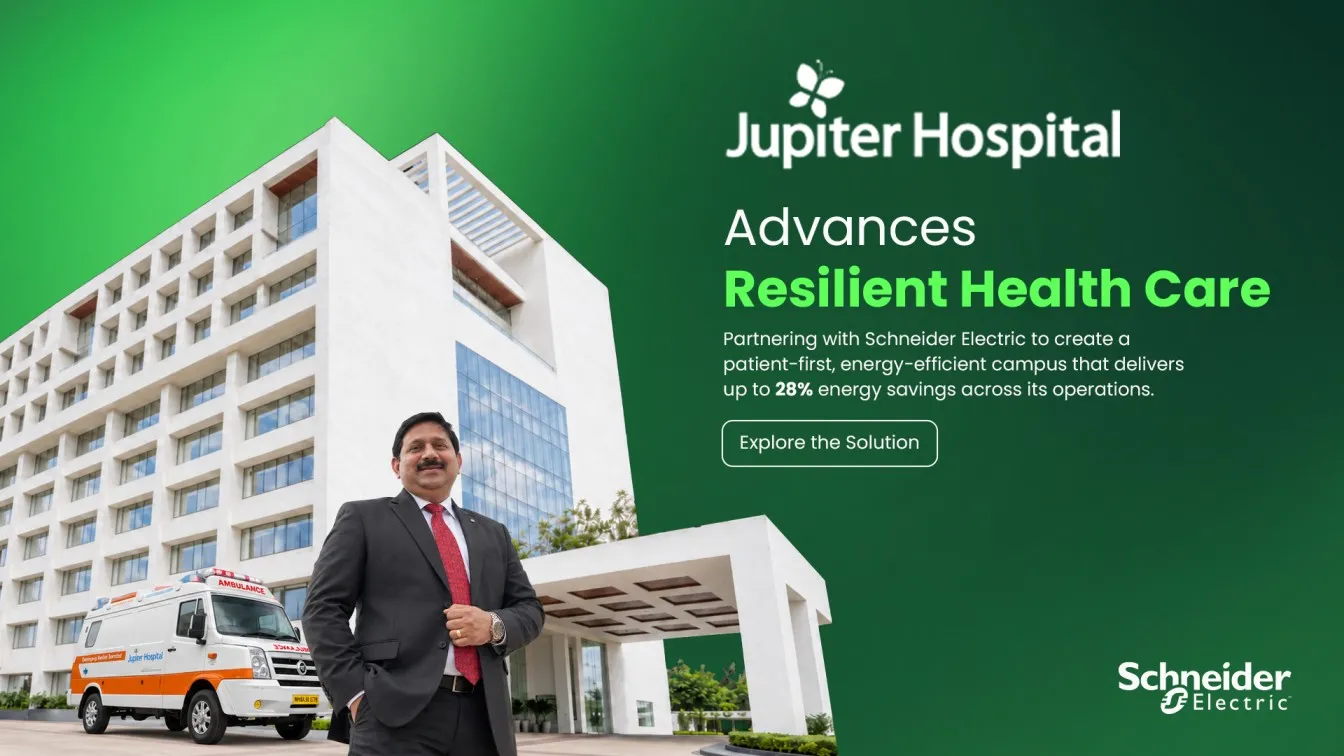
Schneider Electric deploys smart building systems at Jupiter Hospitals

Schneider Electric has partnered with Jupiter Hospitals to deploy connected building technologies aimed at improving energy efficiency, patient comfort and operational performance across its hospital campus. The deployment of its EcoStruxure Building Operation platform and SpaceLogic thermostats is helping the hospital achieve energy savings of up to 28 per cent, according to the company.With heating, ventilation and air-conditioning (HVAC) systems accounting for nearly 60 per cent of the hospital's total energy consumption, improving efficiency while maintaining the conditions required for pa..

Advertisement

Subscribe to Our Newsletter

Get daily newsletters around different themes from Construction world.

STAY CONNECTED

Advertisement

SPECIAL OFFER
QR Code