Mumbai Underground Metro Sees Passenger Surge in 10 Days of Phase 2
RAILWAYS & METRO RAIL

Mumbai Underground Metro Sees Passenger Surge in 10 Days of Phase 2

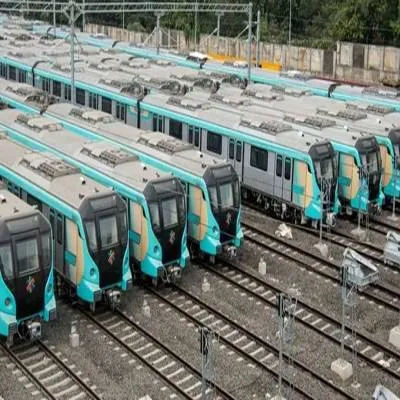
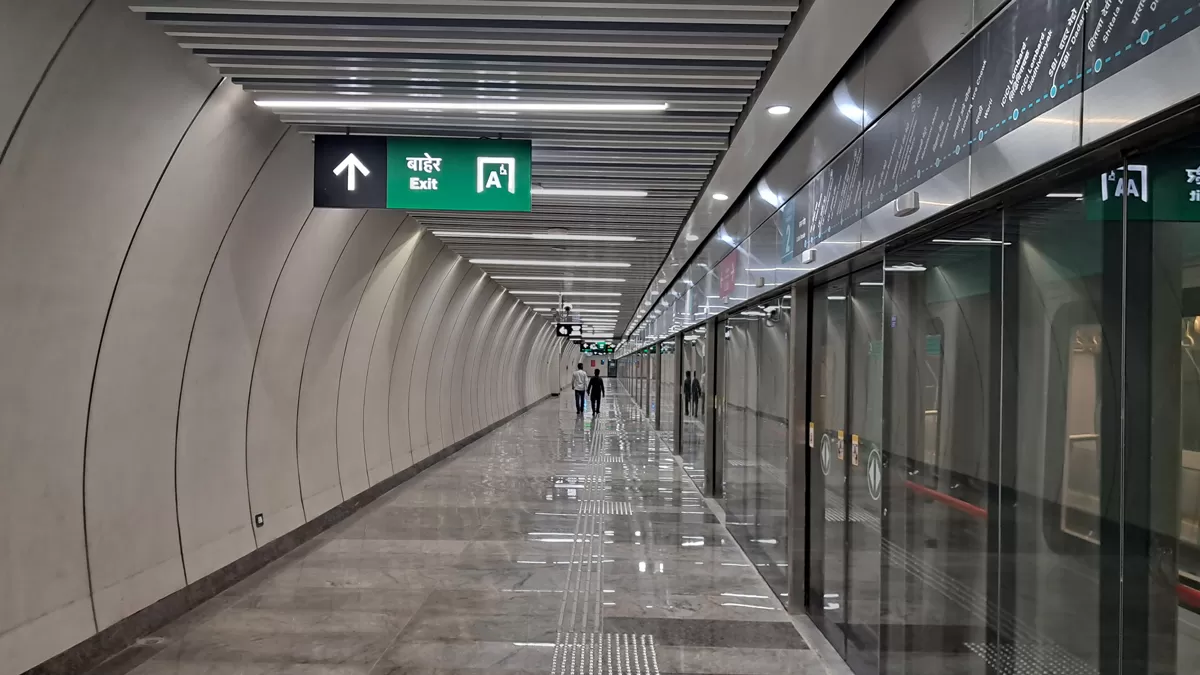
Following the commencement of the second phase of Mumbai's first underground Metro Line 3, running from Cuffe Parade to Aarey, there has been a steady increase in passenger numbers. Within the first ten days of operation, 4.7 lakh passengers traveled on this metro line, averaging 47,053 commuters daily. An increase in ridership is projected in the coming days.

The second phase of Metro Line 3, covering the stretch from Bandra-Kurla Complex (BKC) to Acharya Atre Chowk, was inaugurated on May 9, with passenger services starting on May 10. This 9.77 km segment includes six operational stations and has significantly improved connectivity between Aarey and Worli Naka. At present, the route from Aarey to Acharya Atre Chowk is functional, enabling efficient east-west travel. The Mumbai Metro Rail Corporation (MMRC) is aiming to make the entire corridor from Aarey to Cuffe Parade operational by August this year.

The full route of Metro Line 3 will span 33.5 km from Cuffe Parade to Aarey, while the currently operational stretch measures 22.35 km from Aarey to Acharya Atre Chowk. Once fully functional, the corridor is expected to serve an estimated 13 lakh passengers daily, significantly boosting Mumbai’s public transit capacity.

Between October 7, 2023, and May 18, 2024, a total of 47,14,772 passengers used the metro service. From May 10 to May 19 alone, the newly operational route carried 4,70,533 passengers. Of these, 2,04,042 commuters traveled on the BKC to Acharya Atre Chowk stretch of the second phase between May 10 and May 18. The initial response to this phase has been highly encouraging, with the route gaining popularity among devotees visiting the Siddhivinayak Temple, as it has improved convenience and reduced travel time. Authorities expect that once the full 33.5 km corridor is operational, daily ridership could reach 13 lakh, marking a major shift in Mumbai’s urban transport landscape.

News source: Lokmat Times

"Join industry leaders at RAHSTA Expo, India's premier platform for roads, highways and traffic infrastructure. Register now to explore innovations, network with experts and shape the future of mobility."

Following the commencement of the second phase of Mumbai's first underground Metro Line 3, running from Cuffe Parade to Aarey, there has been a steady increase in passenger numbers. Within the first ten days of operation, 4.7 lakh passengers traveled on this metro line, averaging 47,053 commuters daily. An increase in ridership is projected in the coming days.The second phase of Metro Line 3, covering the stretch from Bandra-Kurla Complex (BKC) to Acharya Atre Chowk, was inaugurated on May 9, with passenger services starting on May 10. This 9.77 km segment includes six operational stations and has significantly improved connectivity between Aarey and Worli Naka. At present, the route from Aarey to Acharya Atre Chowk is functional, enabling efficient east-west travel. The Mumbai Metro Rail Corporation (MMRC) is aiming to make the entire corridor from Aarey to Cuffe Parade operational by August this year.The full route of Metro Line 3 will span 33.5 km from Cuffe Parade to Aarey, while the currently operational stretch measures 22.35 km from Aarey to Acharya Atre Chowk. Once fully functional, the corridor is expected to serve an estimated 13 lakh passengers daily, significantly boosting Mumbai’s public transit capacity.Between October 7, 2023, and May 18, 2024, a total of 47,14,772 passengers used the metro service. From May 10 to May 19 alone, the newly operational route carried 4,70,533 passengers. Of these, 2,04,042 commuters traveled on the BKC to Acharya Atre Chowk stretch of the second phase between May 10 and May 18. The initial response to this phase has been highly encouraging, with the route gaining popularity among devotees visiting the Siddhivinayak Temple, as it has improved convenience and reduced travel time. Authorities expect that once the full 33.5 km corridor is operational, daily ridership could reach 13 lakh, marking a major shift in Mumbai’s urban transport landscape.News source: Lokmat Times

Next Story
Real Estate

Pecan Realty Completes Rs 1.5 Billion Transactions

Pecan Realty has recently completed four institutional transactions worth over Rs 1.5 billion over the past two years, strengthening its position as an execution-led real estate platform. The deals include resolution-led acquisitions, structured finance transactions and capital partnerships across its development portfolio.The transactions covered acquisitions through the National Company Law Tribunal process and helped provide repayment or exits to both private and public sector lenders. The company said the deals demonstrate its ability to resolve complex project situations, work with instit..

Next Story
Real Estate

SNN Estates Expands North Bengaluru Housing Project

SNN Estates has announced an expansion of its SNN Estates Felicity residential project in North Bengaluru following strong buyer demand, with 75 per cent of the first-phase inventory sold within three days of launch.The developer will add 76 apartments in the new phase, taking the project's estimated revenue potential to around Rs 1,000 crore upon completion of Phase 2.Spread across 6.5 acres in Rachenahalli, near Manyata Tech Park, the project comprises 604 apartments in 1.5, 2, 2.5, 3 and 4 BHK configurations. The development includes a 50,000-sq-ft clubhouse with amenities such as sports co..

Next Story
Infrastructure Urban

SCG Drives ASEAN Industrial Transformation Strategy

SCG is strengthening its focus on ASEAN as a key growth region by advancing industrial transformation, enhancing competitiveness and building resilient regional value chains. Thammasak Sethaudom, President and Chief Executive Officer, SCG, highlighted the need for industries to continuously develop capabilities, strengthen resilience and deepen regional cooperation to achieve sustainable long-term growth.SCG views ASEAN as an important growth engine alongside China, supported by favourable demographics, trade connectivity and investment flows. With ASEAN’s GDP projected to grow by around 4.7..

Advertisement

Subscribe to Our Newsletter

Get daily newsletters around different themes from Construction world.

STAY CONNECTED

Advertisement

Advertisement

Advertisement