Namma Metro To Add Platform Screen Doors On New Pink Line
RAILWAYS & METRO RAIL

Namma Metro To Add Platform Screen Doors On New Pink Line

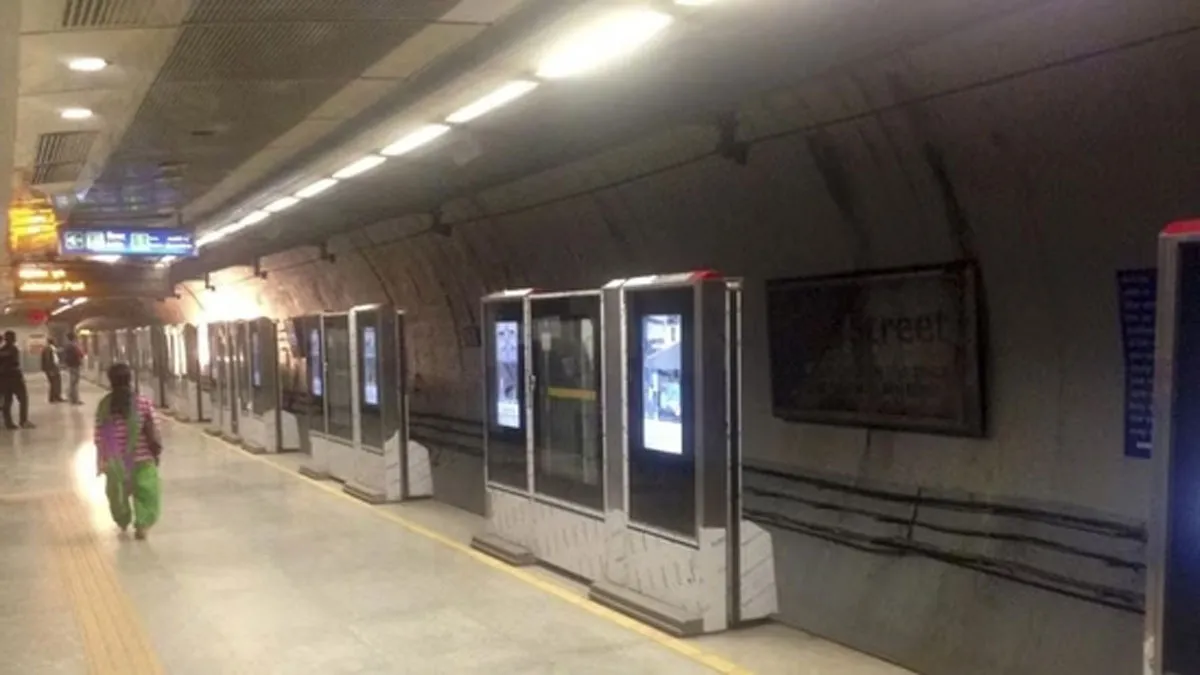
Bengaluru’s Namma Metro is set to introduce platform screen doors (PSDs) for the first time, beginning with stations on the upcoming Pink Line. A full-scale prototype has already been installed at MG Road station, according to a report released on Saturday.

With civil works nearing completion along the 21.26-kilometre Kalena Agrahara–Nagawara corridor, BMRCL has begun track-laying and the installation of key systems, including PSDs. These automatic doors open only when a train stops at the designated point, reducing the risk of accidental falls and track intrusions—issues that have been reported several times in recent months.

In underground stations, PSDs also significantly improve ventilation efficiency by limiting air exchange between platforms and tunnels.

While metro systems in Delhi, Mumbai and Chennai already use PSDs or platform gates, none of Bengaluru’s existing 83 stations are equipped with them. The mock-up at MG Road, supplied by subcontractor Panasonic, will undergo testing before full rollout. Once approved, PSDs will be installed across all 12 underground stations on the Pink Line over a six-month period, a senior BMRCL official said.

Each PSD unit will stand around 2.15 metres tall, with platform gates measuring 1.4 metres in height and spanning the full 128-metre platform length. The cost per station is estimated at Rs 90 million.

The installation forms part of a larger contract awarded to Alstom Transport in June 2024—valued at 96.2 million euros—to design and commission a Communications Based Train Control (CBTC) signalling system for the Pink and Blue Lines. The contract includes PSDs for all underground stations on the Pink Line, PSDs for the Blue Line’s airport terminal station and platform gates for the Airport City station.

BMRCL also plans to introduce PSDs at Majestic and Central College stations on the Purple Line, while Konappana Agrahara station—funded by the Infosys Foundation—will be fitted with platform gates.

"Join industry leaders at RAHSTA Expo, India's premier platform for roads, highways and traffic infrastructure. Register now to explore innovations, network with experts and shape the future of mobility."

Bengaluru’s Namma Metro is set to introduce platform screen doors (PSDs) for the first time, beginning with stations on the upcoming Pink Line. A full-scale prototype has already been installed at MG Road station, according to a report released on Saturday. With civil works nearing completion along the 21.26-kilometre Kalena Agrahara–Nagawara corridor, BMRCL has begun track-laying and the installation of key systems, including PSDs. These automatic doors open only when a train stops at the designated point, reducing the risk of accidental falls and track intrusions—issues that have been reported several times in recent months. In underground stations, PSDs also significantly improve ventilation efficiency by limiting air exchange between platforms and tunnels. While metro systems in Delhi, Mumbai and Chennai already use PSDs or platform gates, none of Bengaluru’s existing 83 stations are equipped with them. The mock-up at MG Road, supplied by subcontractor Panasonic, will undergo testing before full rollout. Once approved, PSDs will be installed across all 12 underground stations on the Pink Line over a six-month period, a senior BMRCL official said. Each PSD unit will stand around 2.15 metres tall, with platform gates measuring 1.4 metres in height and spanning the full 128-metre platform length. The cost per station is estimated at Rs 90 million. The installation forms part of a larger contract awarded to Alstom Transport in June 2024—valued at 96.2 million euros—to design and commission a Communications Based Train Control (CBTC) signalling system for the Pink and Blue Lines. The contract includes PSDs for all underground stations on the Pink Line, PSDs for the Blue Line’s airport terminal station and platform gates for the Airport City station. BMRCL also plans to introduce PSDs at Majestic and Central College stations on the Purple Line, while Konappana Agrahara station—funded by the Infosys Foundation—will be fitted with platform gates.

Next Story
Infrastructure Energy

Centre Prioritising Energy Security With Coal Gasification

Union minister for Coal and Mines G Kishan Reddy said the Centre is prioritising energy security through a strategic shift to coal gasification and has announced incentives totalling Rs 460 billion (bn) to support the effort. He said more than 35 companies will start coal gasification activities in India within two months and that the government is encouraging firms that bring technology to close the domestic technology gap. The minister described the initiative as aimed at reducing import dependence and developing indigenous capacity. India has the fifth-largest coal reserve in the world, and..

Next Story
Infrastructure Urban

BHEL and Coal India Invest Rs 250 bn in Odisha Gasification

Bharat Heavy Electricals (BHEL) and Coal India (CIL) are jointly investing Rs 250 billion in a coal gasification project in Odisha, with the Prime Minister laying the foundation stone in Jharsuguda. Union Coal and Mines Minister G Kishan Reddy described the initiative as a transformative shift in coal utilisation that will open industrial avenues for the state. The project moves coal beyond conventional power generation to industrial feedstocks. Coal gasification will convert coal into synthesis gas, a versatile feedstock for chemicals, fertilisers and synthetic fuels, and the technology is ex..

Next Story
Infrastructure Energy

BCCL Hands Over Dugdha Coal Washery To JSW Steel

Bharat Coking Coal has handed over the Dugdha Coal Washery to JSW Steel, marking the first coal washery asset monetisation under the Ministry of Coal's asset monetisation programme. The handover took place in the presence of senior officials from Bharat Coking Coal Ltd, JSW Steel and JSW Energy. The washery has a capacity of two million tonnes per annum (mn t per annum), and its transfer is intended to introduce private sector practices into coal beneficiation operations. The monetisation is aimed at modernising coal sector assets, improving operational efficiency and enhancing resource utilis..

Advertisement

Subscribe to Our Newsletter

Get daily newsletters around different themes from Construction world.

STAY CONNECTED

Advertisement

Advertisement

Advertisement