North Central Railway Commissions Kavach on Gwalior-Jhansi Route
RAILWAYS & METRO RAIL

North Central Railway Commissions Kavach on Gwalior-Jhansi Route

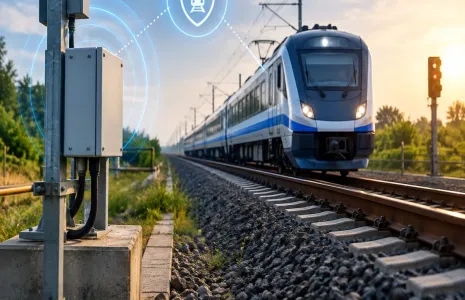
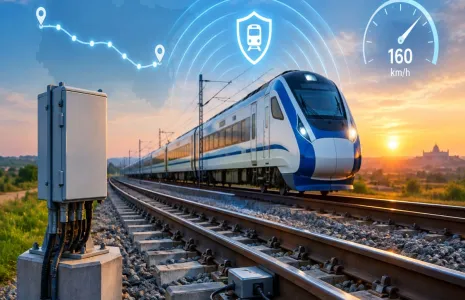
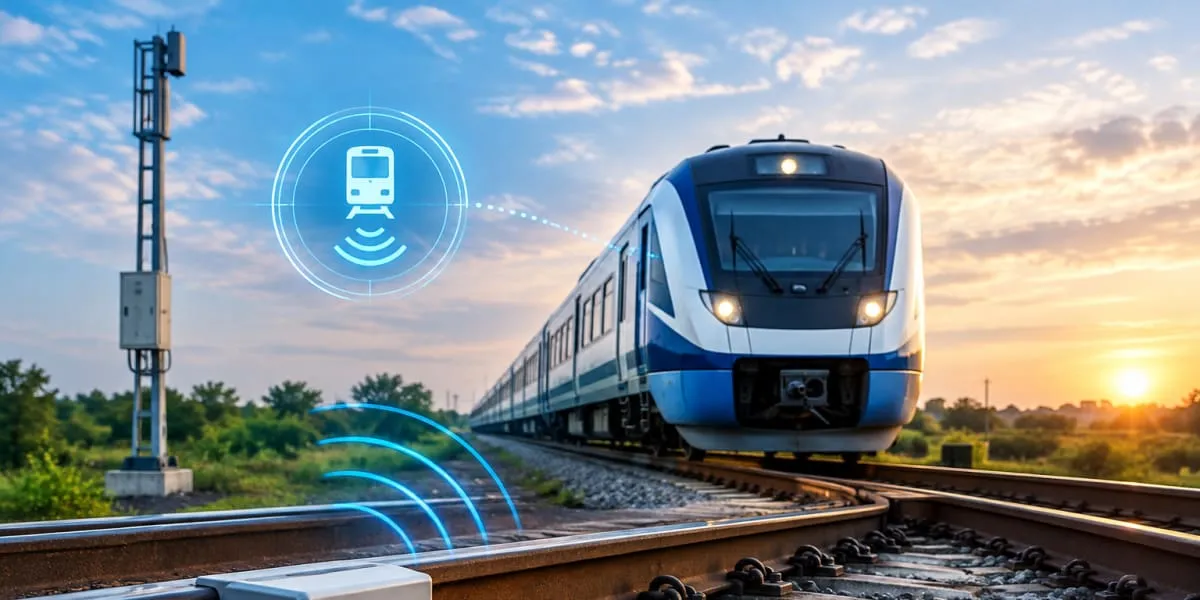
North Central Railway has commissioned the standard Kavach automatic train protection system on the Gwalior-Jhansi rail section, covering 97.1 km of route. The upgrade is intended to add an automated safety layer to train operations between the two cities.

The commissioning involved installing 1,596 Radio Frequency Identification (RFID) tags along the track. These electronic tags help the Kavach system identify a train’s location and movement, enabling it to monitor operations and respond when required. The covered section excludes Gwalior and Virangna Lakshmibai Jhansi stations.

Kavach is an indigenous train safety system developed in India to reduce the risk of collisions caused by human error. It works alongside the driver by continuously checking a train’s speed and position. If a driver misses a signal or fails to reduce speed within the required time, the system can automatically control the train and apply the brakes.

The system is designed to provide protection against head-on and rear-end collisions, as well as situations in which a train needs to remain stationary. By combining trackside RFID tags with onboard equipment, Kavach provides information that supports automated intervention when a safety risk is detected.

With the system commissioned on the Gwalior-Jhansi stretch, train movements on the section are expected to have an additional safety measure operating in the background. Passengers are not expected to notice a change in normal journeys, as the system is intended to intervene only when its monitoring identifies a potential hazard. The commissioning strengthens the safety infrastructure on this section of the North Central Railway network.

North Central Railway has commissioned the standard Kavach automatic train protection system on the Gwalior-Jhansi rail section, covering 97.1 km of route. The upgrade is intended to add an automated safety layer to train operations between the two cities. The commissioning involved installing 1,596 Radio Frequency Identification (RFID) tags along the track. These electronic tags help the Kavach system identify a train’s location and movement, enabling it to monitor operations and respond when required. The covered section excludes Gwalior and Virangna Lakshmibai Jhansi stations. Kavach is an indigenous train safety system developed in India to reduce the risk of collisions caused by human error. It works alongside the driver by continuously checking a train’s speed and position. If a driver misses a signal or fails to reduce speed within the required time, the system can automatically control the train and apply the brakes. The system is designed to provide protection against head-on and rear-end collisions, as well as situations in which a train needs to remain stationary. By combining trackside RFID tags with onboard equipment, Kavach provides information that supports automated intervention when a safety risk is detected. With the system commissioned on the Gwalior-Jhansi stretch, train movements on the section are expected to have an additional safety measure operating in the background. Passengers are not expected to notice a change in normal journeys, as the system is intended to intervene only when its monitoring identifies a potential hazard. The commissioning strengthens the safety infrastructure on this section of the North Central Railway network.

Related Stories

Gold Stories

Next Story
Infrastructure Transport

Supreme Infrastructure posts first post-scheme quarterly profit

Supreme Infrastructure India reported its first profitable quarter following the completion of its Composite Scheme, with a sharp increase in revenue and a significant reduction in finance costs driving its financial turnaround in Q2 FY27.Revenue from operations rose 114.8 per cent year-on-year to Rs 290.04 million in Q2 FY27, compared with Rs 135.02 million in the corresponding quarter last year. Total income increased 130.3 per cent to Rs 335.63 million from Rs 135.56 million.The company reported a profit after tax (PAT) of Rs 36.78 million in Q2 FY27, against a loss of Rs 591.43 million in ..
Next Story
Infrastructure Transport

J. Kumar Infraprojects Q2 profit rises 25 per cent to Rs 1.13 billion

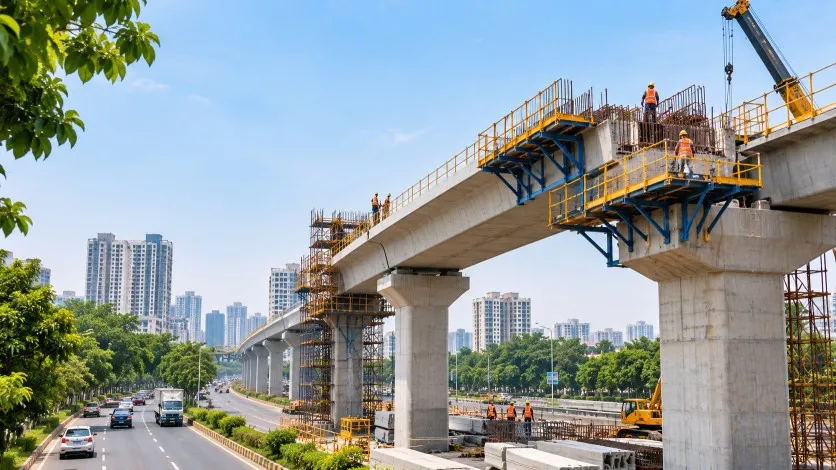
J. Kumar Infraprojects reported a 25 per cent year-on-year increase in net profit to Rs 1.13 billion in Q2 FY27, while revenue from operations grew 15 per cent to Rs 15.39 billion.Profitability improved faster than revenue, with EBITDA rising 18 per cent to Rs 2.29 billion. The EBITDA margin expanded to 14.9 per cent, supported by cost control and steady project execution. Net profit margin increased to 7.4 per cent from 6.7 per cent in the corresponding quarter last year.The company's order book stood at Rs 227.11 billion, equivalent to nearly four times its annual revenue. It secured fresh o..
Next Story
Equipment

NORD India to invest Rs 4 billion in new Pune manufacturing facility

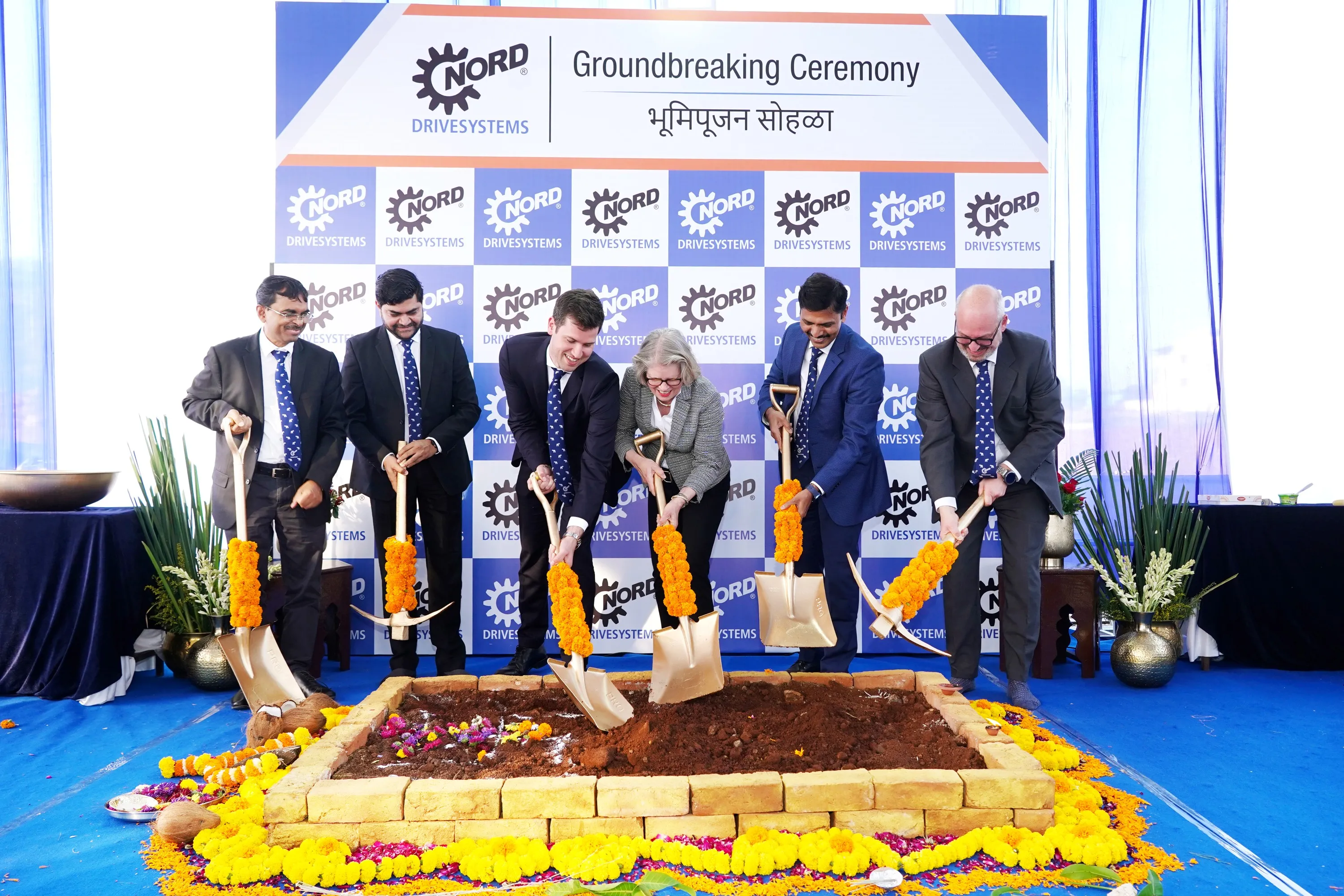
NORD Drivesystems India (NDPL) has commenced construction of a new manufacturing facility at RMK Industrial Park 3, near MIDC Talegaon Phase V, Pune, with a planned investment of Rs 4 billion. The expansion will double the company's gearbox and geared motor production capacity and introduce gear-component manufacturing.The facility will cater to domestic demand and exports to other NORD subsidiaries, including its headquarters in Germany. The company also plans to manufacture gears and related components at the new plant, supporting both the Indian market and global operations.Dhanraj Kalbhor,..

Advertisement

Subscribe to Our Newsletter

Get daily newsletters around different themes from Construction world.

STAY CONNECTED

Advertisement

SPECIAL OFFER
QR Code