Radisson Targets 500 Hotels in India, Sharpens Focus on Metros
RAILWAYS & METRO RAIL

Radisson Targets 500 Hotels in India, Sharpens Focus on Metros

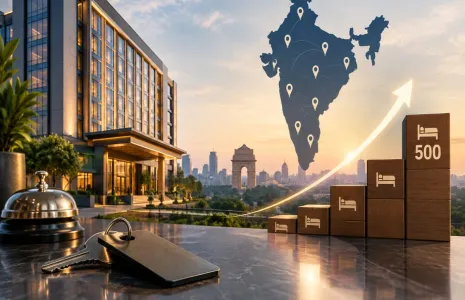
Radisson Hotel Group is directing a larger share of its Indian expansion towards metropolitan and other major cities as it works towards a portfolio of 500 hotels by 2030. The group, which established an early presence in tier-two and tier-three locations, will continue evaluating smaller markets alongside opportunities in larger urban centres.

Radisson currently operates 146 hotels with approximately 16,000 rooms in India and has 86 properties, representing 10,488 rooms, under development. It will need to add around 250 hotels over the next four years to meet its target. About 60 per cent of the planned additions are allocated to tier-one and tier-two cities, while 40 per cent will be spread across tier-three cities and smaller markets.

The larger markets currently account for approximately 55 per cent of Radisson’s Indian portfolio. The group also plans to enter destinations with limited branded hotel supply and is examining leisure destinations, religious tourism centres and wellness-oriented properties. Business travel is expected to remain an important demand driver, while recent additions include hotels in Narkanda, Coorg, Tadoba, Sonipat, Ujjain, Bhubaneswar, Namakkal and Sagar.

Around 95 per cent of the planned additions are expected to follow an asset-light model, with owners and local partners funding developments. Radisson will operate properties through management agreements or franchise arrangements. Management contracts represented about 65 per cent of new signings in 2026, although franchising is expected to gain importance as ownership and operating models evolve. The group has also retained the option of selective investments and joint ventures.

Approximately half of upcoming properties could use the core Radisson brand, while around 30 per cent may be positioned in the upper-upscale and luxury segments. India contributes about 15 per cent to 16 per cent of Radisson’s global system revenue. Occupancy reached 67 per cent for the year to September 2026, while average daily rates rose 5 per cent to Rs. 8,000 and revenue per available room increased 7 per cent to Rs. 5,000. The expansion could create 20,000 to 40,000 jobs.

Radisson Hotel Group is directing a larger share of its Indian expansion towards metropolitan and other major cities as it works towards a portfolio of 500 hotels by 2030. The group, which established an early presence in tier-two and tier-three locations, will continue evaluating smaller markets alongside opportunities in larger urban centres. Radisson currently operates 146 hotels with approximately 16,000 rooms in India and has 86 properties, representing 10,488 rooms, under development. It will need to add around 250 hotels over the next four years to meet its target. About 60 per cent of the planned additions are allocated to tier-one and tier-two cities, while 40 per cent will be spread across tier-three cities and smaller markets. The larger markets currently account for approximately 55 per cent of Radisson’s Indian portfolio. The group also plans to enter destinations with limited branded hotel supply and is examining leisure destinations, religious tourism centres and wellness-oriented properties. Business travel is expected to remain an important demand driver, while recent additions include hotels in Narkanda, Coorg, Tadoba, Sonipat, Ujjain, Bhubaneswar, Namakkal and Sagar. Around 95 per cent of the planned additions are expected to follow an asset-light model, with owners and local partners funding developments. Radisson will operate properties through management agreements or franchise arrangements. Management contracts represented about 65 per cent of new signings in 2026, although franchising is expected to gain importance as ownership and operating models evolve. The group has also retained the option of selective investments and joint ventures. Approximately half of upcoming properties could use the core Radisson brand, while around 30 per cent may be positioned in the upper-upscale and luxury segments. India contributes about 15 per cent to 16 per cent of Radisson’s global system revenue. Occupancy reached 67 per cent for the year to September 2026, while average daily rates rose 5 per cent to Rs. 8,000 and revenue per available room increased 7 per cent to Rs. 5,000. The expansion could create 20,000 to 40,000 jobs.

Related Stories

Gold Stories

Next Story
Infrastructure Energy

GEON Commissions 10 MW/20 MWh BESS in Jaisalmer

GEON, the future technologies division of Kabra Extrusiontechnik, has commissioned a 10 MW/20 MWh battery energy storage system (BESS) in Jaisalmer, Rajasthan, on an engineering, procurement and construction (EPC) basis.Executed in accordance with the Rajasthan Integrated Clean Energy Policy, 2024, the project covered detailed engineering and design, equipment procurement and supply, installation, testing and commissioning.The system has a power capacity of 10 MW and an energy storage capacity of 20 MWh. It is designed to improve energy management, support grid stability and facilitate the int..
Next Story
Infrastructure Urban

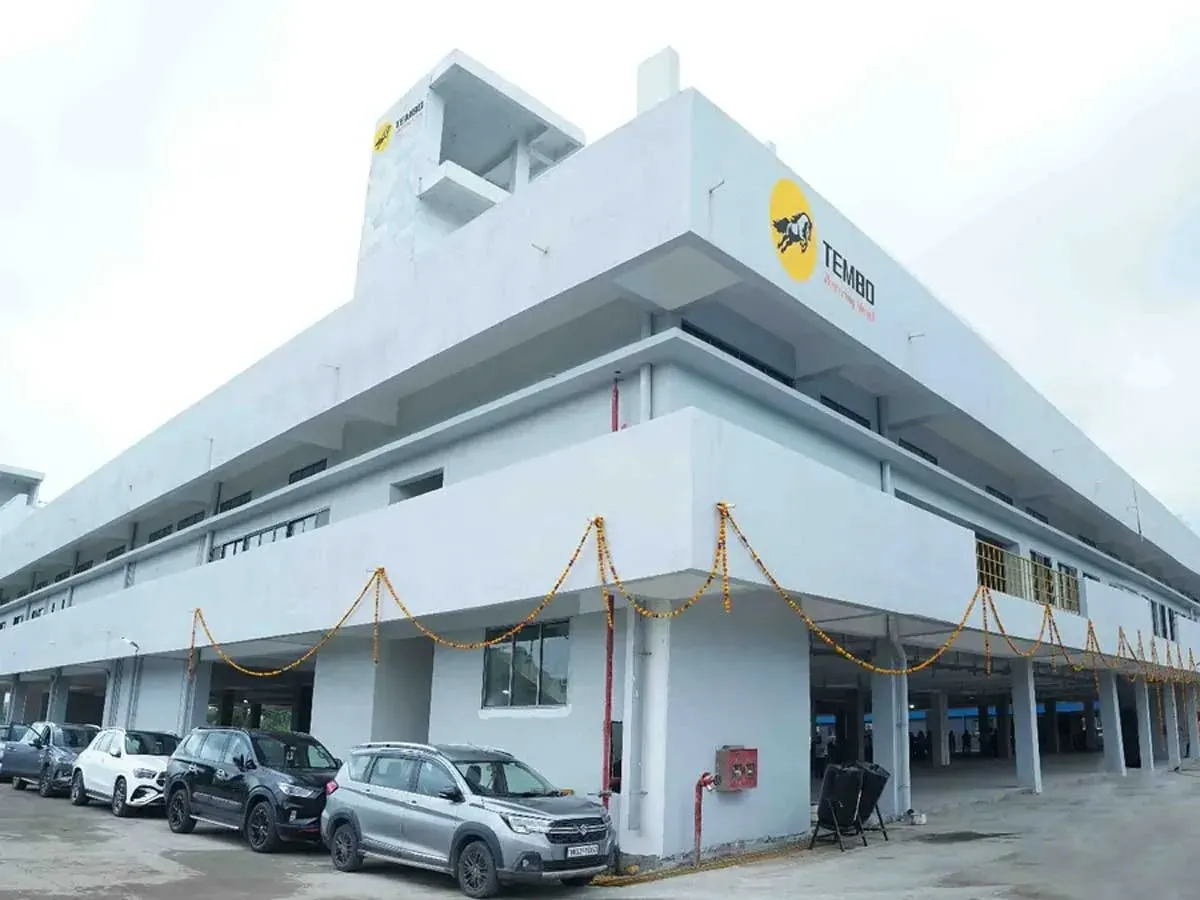
Tembo Lists on BSE, Expands Defence Manufacturing Plans

Tembo Global Industries has listed its equity shares on the Main Board of BSE while expanding its focus on defence manufacturing and unmanned aerial vehicle (UAV) technologies alongside its existing engineering and industrial businesses.Through its subsidiary, Tembo Classic Engineering, the company is developing manufacturing capabilities in small arms and ammunition. Its defence facility in Amravati, Maharashtra, is under development, with commercial production targeted for Q1 FY2028. The subsidiary has obtained government licences for ammunition and small-arms manufacturing.The company is co..
Next Story
Infrastructure Urban

Bondada Gets NSE In-Principle Nod for Main Board Migration

Bondada Engineering has received in-principle approval from the National Stock Exchange of India (NSE) to migrate its equity shares from the BSE SME Platform to NSE’s Capital Market Segment, or Main Board.The approval, conveyed through a letter dated 14 October 2026, follows BSE’s in-principle approval on 9 September 2026 for migration to its Main Board. The company now holds preliminary approvals to establish a presence on the Main Boards of both exchanges.Bondada Engineering will complete the subsequent formalities required under applicable regulatory and stock exchange requirements. The..

Advertisement

Subscribe to Our Newsletter

Get daily newsletters around different themes from Construction world.

STAY CONNECTED

Advertisement

SPECIAL OFFER
QR Code