+
Sabarmati River Bridge Completed for Ahmedabad-Mumbai Bullet Train
RAILWAYS & METRO RAIL

Sabarmati River Bridge Completed for Ahmedabad-Mumbai Bullet Train

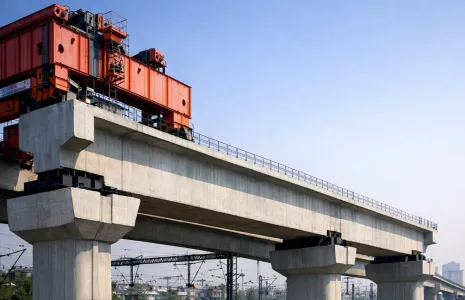
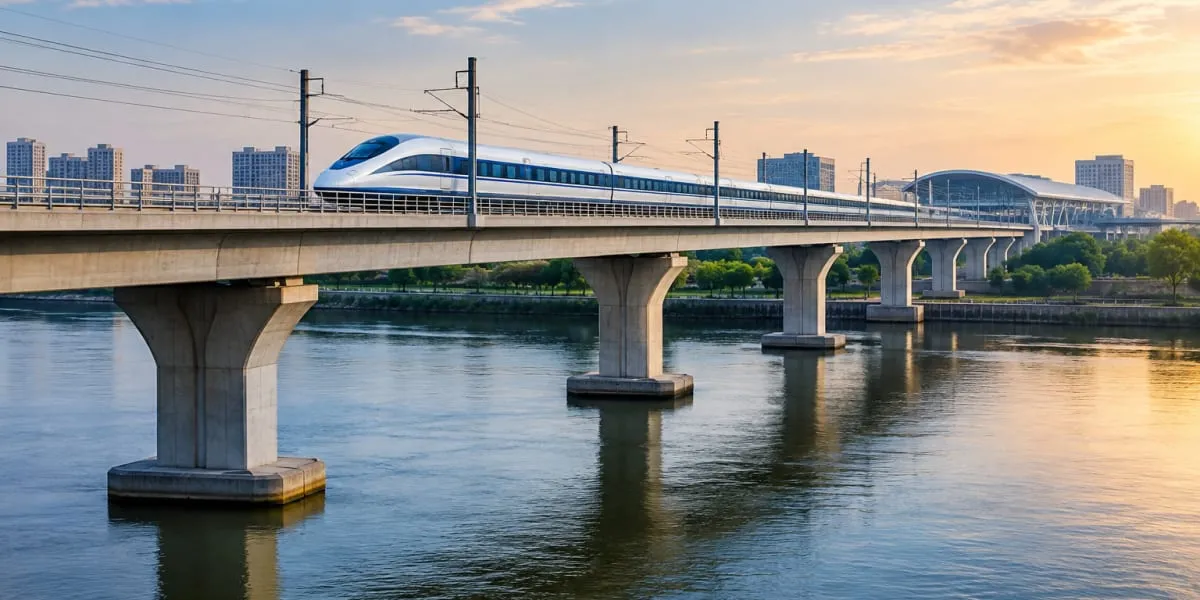
Construction of the 480-metre-long bridge over the Sabarmati River for the Mumbai-Ahmedabad High-Speed Rail corridor has been completed. The bridge connects the Sabarmati and Ahmedabad bullet train stations, located approximately 1 km and 4 km from the structure respectively, and has been identified as a major infrastructure milestone in Ahmedabad.

The bridge stands approximately 36 metres tall, equivalent to a 12-storey building or around 118 feet. It is located beside Western Railway’s Ahmedabad–Delhi main line, which is approximately 14.8 metres above ground level. The rail alignment in Ahmedabad crosses several existing facilities, including flyovers, bridges, railway lines and metro corridors, requiring the bridge’s piers to be designed with additional height to maintain the necessary clearances.

The structure is supported by eight circular piers, each with a diameter ranging from 6 to 6.5 metres. Four piers are positioned within the riverbed, while two are located on the riverbanks and two outside them. This arrangement is intended to minimise obstruction to the river waterway. Unlike most river bridges on the corridor, which have spans of about 40 metres, the Sabarmati bridge uses spans ranging from 50 to 76 metres, reducing the number of piers required in the riverbed.

The bridge comprises five spans of 76 metres and two spans of 50 metres. Each span consists of 23 segments cast in-situ at the construction site, with construction involving precision engineering, specialised labour and quality checks at every stage. The structure was built using the Balanced Cantilever Method, which is suited to long-span bridges over rivers and deep waterways.

Under this method, the bridge deck was constructed without conventional scaffolding below it. Segments were erected successively from the piers and joined through post-tensioning, with balanced construction undertaken on both sides of each pier to create a stable and continuous superstructure. The corridor has 25 river bridges, including 21 in Gujarat and four in Maharashtra. Of the 21 planned in Gujarat, 18 have now been completed.

Construction of the 480-metre-long bridge over the Sabarmati River for the Mumbai-Ahmedabad High-Speed Rail corridor has been completed. The bridge connects the Sabarmati and Ahmedabad bullet train stations, located approximately 1 km and 4 km from the structure respectively, and has been identified as a major infrastructure milestone in Ahmedabad. The bridge stands approximately 36 metres tall, equivalent to a 12-storey building or around 118 feet. It is located beside Western Railway’s Ahmedabad–Delhi main line, which is approximately 14.8 metres above ground level. The rail alignment in Ahmedabad crosses several existing facilities, including flyovers, bridges, railway lines and metro corridors, requiring the bridge’s piers to be designed with additional height to maintain the necessary clearances. The structure is supported by eight circular piers, each with a diameter ranging from 6 to 6.5 metres. Four piers are positioned within the riverbed, while two are located on the riverbanks and two outside them. This arrangement is intended to minimise obstruction to the river waterway. Unlike most river bridges on the corridor, which have spans of about 40 metres, the Sabarmati bridge uses spans ranging from 50 to 76 metres, reducing the number of piers required in the riverbed. The bridge comprises five spans of 76 metres and two spans of 50 metres. Each span consists of 23 segments cast in-situ at the construction site, with construction involving precision engineering, specialised labour and quality checks at every stage. The structure was built using the Balanced Cantilever Method, which is suited to long-span bridges over rivers and deep waterways. Under this method, the bridge deck was constructed without conventional scaffolding below it. Segments were erected successively from the piers and joined through post-tensioning, with balanced construction undertaken on both sides of each pier to create a stable and continuous superstructure. The corridor has 25 river bridges, including 21 in Gujarat and four in Maharashtra. Of the 21 planned in Gujarat, 18 have now been completed.

Related Stories

Gold Stories

Next Story
Infrastructure Energy

Perkins Begins Production of 5016 Power Generation Engine

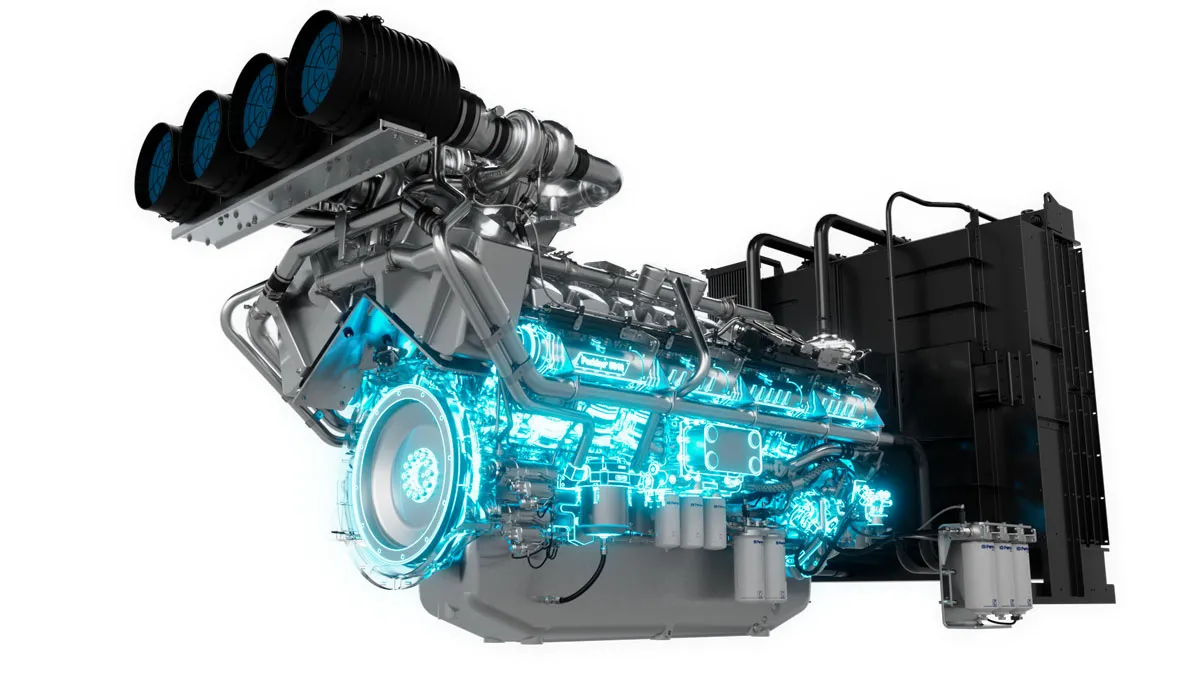
Perkins has commenced production of its new 5016 full-authority electronic engine, completing its 5000 Series range of 6-, 8-, 12- and 16-cylinder engines. Manufactured in Stafford, UK, and Aurangabad, India, the range delivers up to 2,500 kVA of standby power and 2,250 kVA of prime power.The 61-litre V16 engine delivers 1,400–2,500 kVA at 50 Hz for base load, prime and standby applications. Designed for power generation, it supports critical infrastructure, including data centres, hospitals, airports and remote worksites.Engineered to meet ISO G3 and NFPA110 standards, the 5016 incorporates..

Next Story
Real Estate

JAPAN BUILD Tokyo 2026 Expects 35,000 Visitors

RX Japan GK will organise the 11th edition of JAPAN BUILD Tokyo at Tokyo Big Sight from 2–4 December 2026, with approximately 35,000 visitors expected from the building, construction and real estate sectors.The exhibition will bring together manufacturers, developers, contractors, architects, distributors and property owners. According to the organiser, 51.2 per cent of visitors hold managerial positions or above, providing exhibitors with opportunities to engage with procurement decision-makers. The previous edition attracted 33,618 visitors and 548 exhibitors.JAPAN BUILD Tokyo will feature..

Next Story
Infrastructure Urban

Magma Signs LOIs Worth Over Rs 8 Bn Across Industrial Businesses

Magma has signed Letters of Intent (LOIs) worth more than Rs 8 bn across its advanced materials, waste management, precision engineering and digital industrial solutions businesses.The company expects to execute around 70 per cent of the current LOI pipeline during FY27, providing visibility for the remainder of the financial year. The pipeline reflects rising demand from enterprise manufacturers and deeper engagement across Magma’s customer relationships.India’s industrial B2B trade is estimated at around USD 2 trillion. In precision engineering, imports account for 60-65 per cent of high..

Advertisement

Subscribe to Our Newsletter

Get daily newsletters around different themes from Construction world.

STAY CONNECTED

Advertisement

SPECIAL OFFER
QR Code