Seven High Speed Rail Corridors Planned In Budget 2026
RAILWAYS & METRO RAIL

Seven High Speed Rail Corridors Planned In Budget 2026

Indian Railways is set for a major upgrade under the Union Budget 2026, which allocated Rs 2,780 billion (Rs 2,780 bn) for the sector.

The allocation represents the highest ever outlay and is aimed at modernising services, boosting speed and improving safety across the network.

The ministry also secured capital expenditure support of over Rs 2,930 billion (Rs 2,930 bn) to fund infrastructure projects.

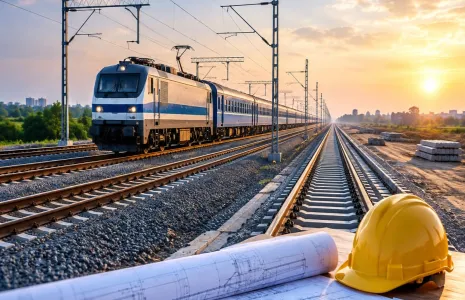
The budgetary package will finance new railway lines, gauge conversion, doubling of tracks, and upgrades to traffic facilities and rolling stock. The funds aim to accelerate project delivery and enhance capacity on busy routes.

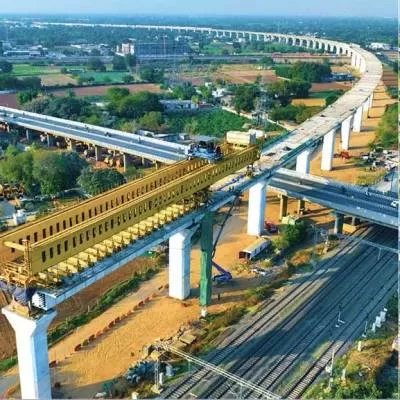
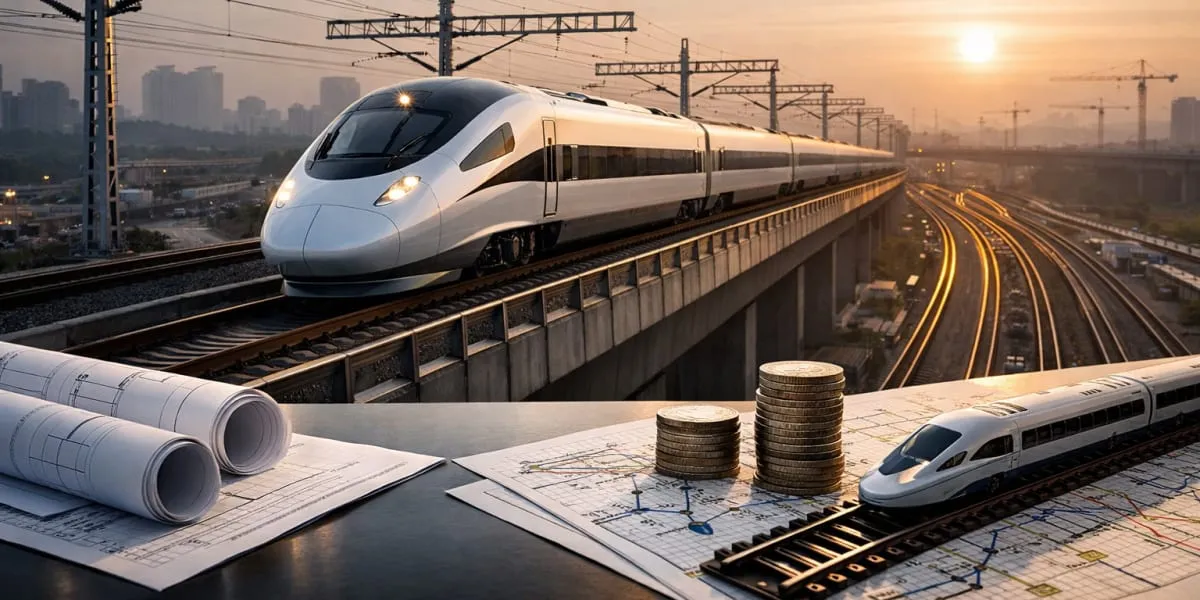
A central feature of the plan is the development of seven high-speed rail corridors designed to reduce travel time and strengthen links between major cities.

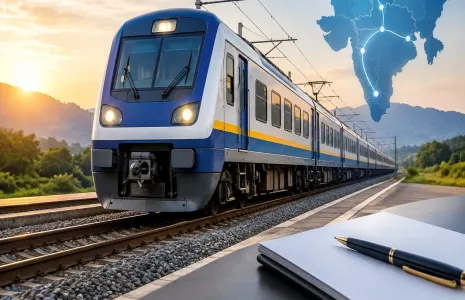
The corridors include Mumbai–Pune, Pune–Hyderabad, Hyderabad–Bengaluru, Hyderabad–Chennai, Chennai–Bengaluru, Delhi–Varanasi and Varanasi–Siliguri and are intended to integrate economic hubs and facilitate movement of people.

Authorities have positioned the corridors as growth connectors to support business travel, tourism and logistics by improving inter-city connectivity and easing congestion on existing routes.

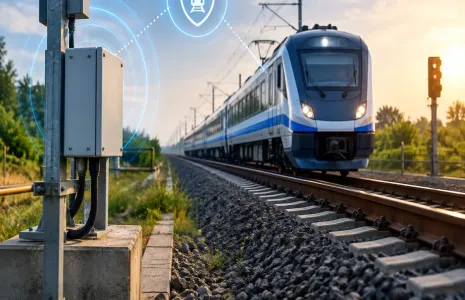
Safety has been identified as a priority, with plans to upgrade signalling systems, redevelop stations and introduce better rolling stock as part of a wider modernisation drive. The Railway Minister has emphasised that safety remains the top focus for the ministry.

The budget sets out a roadmap for a more efficient railway system that can serve both daily commuters and long-distance travellers more effectively.

Officials will publish detailed project timelines and phased funding allocations as work progresses.

The modernisation push will also include enhanced digital systems to improve punctuality, passenger information and asset management and support operational efficiency across the network.

The programme is intended to create opportunities for local suppliers and contractors during construction while delivering long term gains in connectivity and economic integration.

Indian Railways is set for a major upgrade under the Union Budget 2026, which allocated Rs 2,780 billion (Rs 2,780 bn) for the sector. The allocation represents the highest ever outlay and is aimed at modernising services, boosting speed and improving safety across the network. The ministry also secured capital expenditure support of over Rs 2,930 billion (Rs 2,930 bn) to fund infrastructure projects. The budgetary package will finance new railway lines, gauge conversion, doubling of tracks, and upgrades to traffic facilities and rolling stock. The funds aim to accelerate project delivery and enhance capacity on busy routes. A central feature of the plan is the development of seven high-speed rail corridors designed to reduce travel time and strengthen links between major cities. The corridors include Mumbai–Pune, Pune–Hyderabad, Hyderabad–Bengaluru, Hyderabad–Chennai, Chennai–Bengaluru, Delhi–Varanasi and Varanasi–Siliguri and are intended to integrate economic hubs and facilitate movement of people. Authorities have positioned the corridors as growth connectors to support business travel, tourism and logistics by improving inter-city connectivity and easing congestion on existing routes. Safety has been identified as a priority, with plans to upgrade signalling systems, redevelop stations and introduce better rolling stock as part of a wider modernisation drive. The Railway Minister has emphasised that safety remains the top focus for the ministry. The budget sets out a roadmap for a more efficient railway system that can serve both daily commuters and long-distance travellers more effectively. Officials will publish detailed project timelines and phased funding allocations as work progresses. The modernisation push will also include enhanced digital systems to improve punctuality, passenger information and asset management and support operational efficiency across the network. The programme is intended to create opportunities for local suppliers and contractors during construction while delivering long term gains in connectivity and economic integration.

Next Story
Resources

Anant Raj Appoints Anish Sarin as Director

Anant Raj has appointed Anish Sarin as Director on its Board, marking a key step in the company’s leadership transition and long-term growth strategy. The announcement was made during the company’s Q4 and FY26 results declaration, reflecting the induction of next-generation leadership as the company expands across real estate, cloud infrastructure and data centre businesses. Anish Sarin, grandson of veteran industrialist Ashok Sarin, represents the emerging leadership at Anant Raj. Educated at Regent’s University London, he brings a global business outlook along with a strong focus on t..

Next Story
Technology

Vedanta eyes AI-led value growth

Vedanta Group expects to unlock USD 300–400 million in additional value over the next three years through large-scale deployment of AI-led industrial technologies across its businesses. The group said its V-Spark DeepTech Ventures platform has already delivered nearly four times return on investment since inception.Vedanta is scaling AI, predictive analytics, Industrial Internet of Things, digital twins, machine learning, automation and connected manufacturing technologies across its metals, mining, energy and industrial operations. These deployments are aimed at improving productivity, lowe..

Next Story
Infrastructure Urban

Hindustan Zinc inks pact with Group Nirmal

Hindustan Zinc has signed an MoU with Group Nirmal to set up a zinc wire manufacturing facility at its Zinc Industrial Park in Khankhala, Bhilwara district, Rajasthan. The partnership will expand downstream manufacturing activity and support value-added zinc applications in India.Under the agreement, Group Nirmal will manufacture zinc wire products using Hindustan Zinc’s Special High Grade zinc. The products will cater to infrastructure, renewable energy, automotive and industrial engineering sectors.Zinc wire is used in thermal spray coating and metallising processes to protect steel struct..

Advertisement

Subscribe to Our Newsletter

Get daily newsletters around different themes from Construction world.

STAY CONNECTED

Advertisement

Advertisement

Advertisement