+
The efficiency of Lean at work in the Nagpur Metro
RAILWAYS & METRO RAIL

The efficiency of Lean at work in the Nagpur Metro

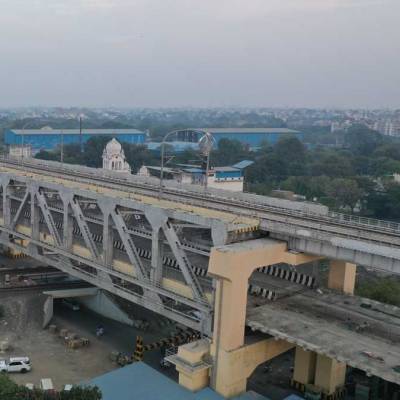
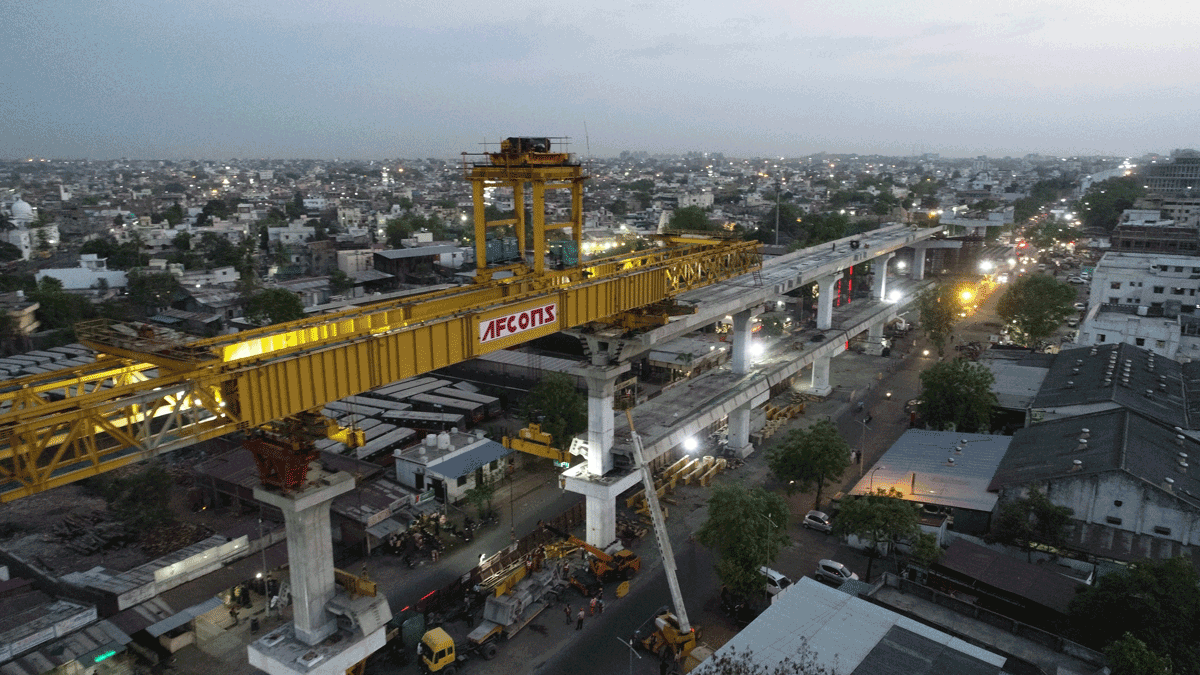
Nagpur Metro Phase 1 consisted of two corridors, North-South and East-West, with a total length of 41.7 km. Of this, 17.087 km (41 per cent of the viaduct) was awarded to Afcons in the Reach 2 (North-South corridor) and Reach 3 (East-West corridor) stretches. Afcons executed the Reach 2 package in the North-South corridor, which consists of a 5-km double-decker structure and 1.7-km metro viaduct structure that starts from Automotive Square on Kamptee Road and ends at Sitabuldi.

The double-decker flyover structure consists of two decks: flyover level and metro level. The decks are constructed with precast segments. The flyover level consists of two segments: spine and wings. The team adopted Value Stream Mapping (VSM) to improve the cycle time by ~50 per cent, from 28 days to 14 days. Some key interventions were:

  • Improvement in sequence of construction operations allowing for simultaneously launching wing segments and launcher (after erection of three cantilever arms)
  • Analysis of idle time to optimise use of trailers for transportation of both segments and wings
  • Simultaneous operations for wings alignment, shutter fixing and rebar fixing
  • Minimising time at site operations through use of boom placer instead of stationary pump and higher grade of concrete
  • Use of manlift for stressing to decouple working site and ground traffic.

Nagpur Metro Phase 1 consisted of two corridors, North-South and East-West, with a total length of 41.7 km. Of this, 17.087 km (41 per cent of the viaduct) was awarded to Afcons in the Reach 2 (North-South corridor) and Reach 3 (East-West corridor) stretches. Afcons executed the Reach 2 package in the North-South corridor, which consists of a 5-km double-decker structure and 1.7-km metro viaduct structure that starts from Automotive Square on Kamptee Road and ends at Sitabuldi. The double-decker flyover structure consists of two decks: flyover level and metro level. The decks are constructed with precast segments. The flyover level consists of two segments: spine and wings. The team adopted Value Stream Mapping (VSM) to improve the cycle time by ~50 per cent, from 28 days to 14 days. Some key interventions were: Improvement in sequence of construction operations allowing for simultaneously launching wing segments and launcher (after erection of three cantilever arms)Analysis of idle time to optimise use of trailers for transportation of both segments and wingsSimultaneous operations for wings alignment, shutter fixing and rebar fixingMinimising time at site operations through use of boom placer instead of stationary pump and higher grade of concreteUse of manlift for stressing to decouple working site and ground traffic.

Next Story
Infrastructure Urban

ABB to Invest Rs 6.25 Billion to Expand India Manufacturing

ABB recently announced plans to invest approximately Rs 6.25 billion ($75 million) in India during 2026 to expand its manufacturing footprint and research and development capabilities. The investment follows more than $35 million spent in 2025 and reflects the company’s continued focus on strengthening its ‘local-for-local’ strategy in the country.The investment will support ABB’s Electrification, Motion and Automation businesses and expand manufacturing capacity for infrastructure sectors such as renewable energy, metro rail, data centres and industrial applications. Approximately 300..

Next Story
Equipment

Six WOLFF Cranes Handle 60,000 m³ Concrete for German Hospital

Six WOLFF tower cranes are playing a key role in constructing a new hospital complex in Memmingen, Germany, supporting large-scale material handling for the project. The facility is being built on a 7.7-hectare site and will feature six floors, around 480 beds and a gross floor area exceeding 75,000 sq m.Building shell works began recently in February 2025. One WOLFF 6531.12 Cross crane supported early site preparation before being dismantled in autumn 2025, while five remaining cranes continue operations. Over an average deployment period of 16 months, the cranes are expected to move approxim..

Next Story
Equipment

REC Funds Rs 115.6 Million CSR Support for Bihar Eye Hospital

REC recently committed Rs 115.6 million under its Corporate Social Responsibility (CSR) programme for the procurement of clinical and non-clinical equipment at Sankara Eye Hospital in Saharsa, Bihar. The initiative aims to strengthen healthcare infrastructure and improve access to specialised eye care services in the region.A Memorandum of Agreement (MoA) was recently signed between Pradeep Fellows, Executive Director (CSR), REC Limited, and Wg Cdr V. Shankar (Retd), Trustee and Executive Director of Sankara Eye Hospital, at the REC office in the SCOPE Complex, New Delhi.The support is expecte..

Advertisement

Subscribe to Our Newsletter

Get daily newsletters around different themes from Construction world.

STAY CONNECTED

Advertisement

Advertisement

Advertisement