Tunnel Boring Machines for Bullet Train Project to Arrive in Mumbai Today
RAILWAYS & METRO RAIL

Tunnel Boring Machines for Bullet Train Project to Arrive in Mumbai Today

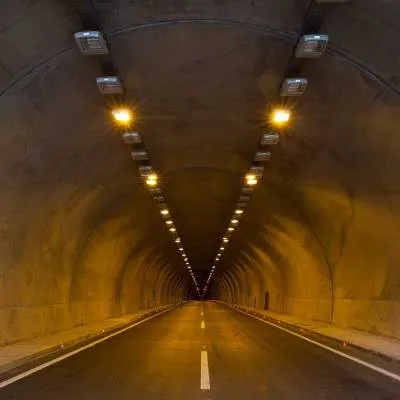
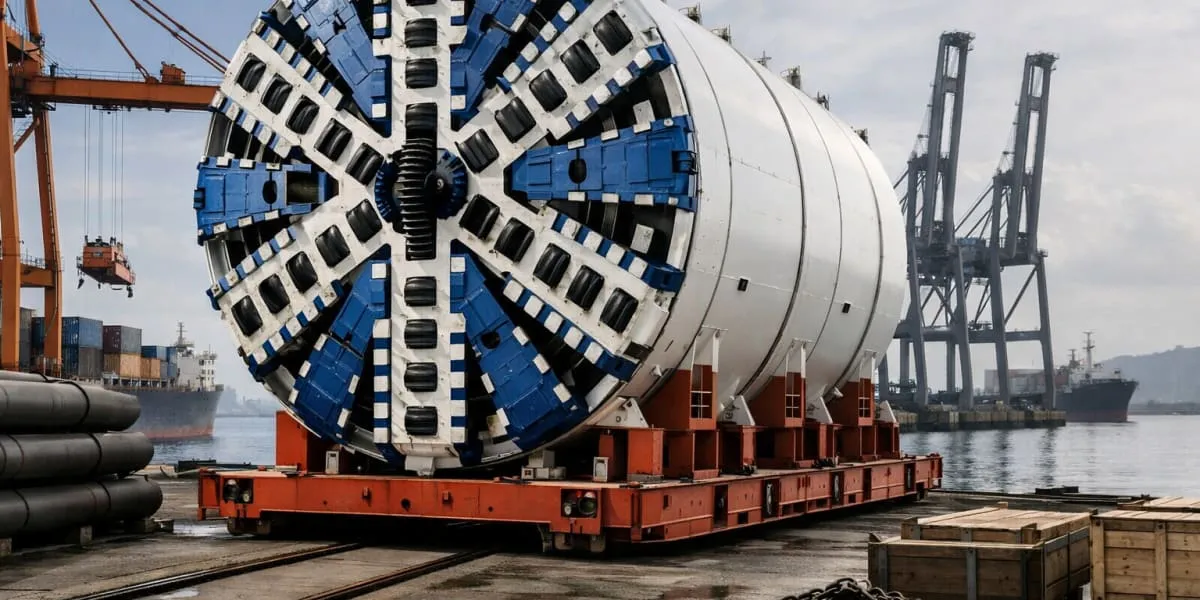
Tunnel boring machines for the high speed rail project are scheduled to arrive in Mumbai today, project officials said. The machines are intended to commence tunnelling work on the western sections of the corridor and will be assembled and tested before deployment. The National High Speed Rail Corporation Limited will oversee reception and installation at designated sites near the port. Authorities have coordinated transport and permits to ensure secure and timely transfer from the arrival point to staging areas.

Engineers will perform assembly and pressure testing over the coming weeks and will certify the machines for underground operation. Preparatory work on tunnel portals and access shafts will continue in parallel to minimise schedule slippage. Training programmes for local technicians and operators have been intensified to build capacity for long term operations and maintenance. Safety protocols and environmental safeguards will be applied throughout mobilisation and excavation activities to reduce risks to nearby communities and infrastructure.

Logistics teams will monitor equipment movement with real time updates to prevent delays and to coordinate with urban traffic plans. Components will be moved on specialised trailers and escorted by engineers and security personnel to minimise disruptions. The machines are expected to operate for an extended period as tunnelling progresses and will be maintained on site with planned servicing intervals. Project managers will review progress against milestones and adjust deployment as required to meet delivery targets.

Officials said the arrival marks a significant step in preparing underground works for the high speed corridor and will enable subsequent phases of construction to proceed. Coordination with municipal authorities and utilities will remain a priority to protect public services and to manage temporary disruptions. Observers noted that timely mobilisation of tunnelling equipment is essential to preserve overall project timelines and to deliver expected benefits for connectivity and travel time reduction.

Tunnel boring machines for the high speed rail project are scheduled to arrive in Mumbai today, project officials said. The machines are intended to commence tunnelling work on the western sections of the corridor and will be assembled and tested before deployment. The National High Speed Rail Corporation Limited will oversee reception and installation at designated sites near the port. Authorities have coordinated transport and permits to ensure secure and timely transfer from the arrival point to staging areas. Engineers will perform assembly and pressure testing over the coming weeks and will certify the machines for underground operation. Preparatory work on tunnel portals and access shafts will continue in parallel to minimise schedule slippage. Training programmes for local technicians and operators have been intensified to build capacity for long term operations and maintenance. Safety protocols and environmental safeguards will be applied throughout mobilisation and excavation activities to reduce risks to nearby communities and infrastructure. Logistics teams will monitor equipment movement with real time updates to prevent delays and to coordinate with urban traffic plans. Components will be moved on specialised trailers and escorted by engineers and security personnel to minimise disruptions. The machines are expected to operate for an extended period as tunnelling progresses and will be maintained on site with planned servicing intervals. Project managers will review progress against milestones and adjust deployment as required to meet delivery targets. Officials said the arrival marks a significant step in preparing underground works for the high speed corridor and will enable subsequent phases of construction to proceed. Coordination with municipal authorities and utilities will remain a priority to protect public services and to manage temporary disruptions. Observers noted that timely mobilisation of tunnelling equipment is essential to preserve overall project timelines and to deliver expected benefits for connectivity and travel time reduction.

Next Story
Infrastructure Transport

The Critical Path

In Ircon International Ltd v. Afcons Infrastructure Ltd, OMP (Comm) 279/2019, the Delhi High Court examined how delay and extension of time (‘EOT’) are to be assessed in construction contracts, particularly in the context of the ‘critical path’ while dealing with challenge to an arbitral award under Section 34 of the Arbitration and Conciliation Act 1996 (‘the Act’). The High Court’s observations regarding the critical path are of significant import for construction and infrastructure projects and related arbitration. The parties entered into a contract for construction of T..

Next Story
Infrastructure Urban

Urgently Wanted: 2 Million Workers!

Construction, India’s second largest employer by industry, employs about 50 million workers but could additionally absorb another 40 million workers, according to estimates shared by the Construction Skill Development Council of India (CSDCI) in 2023. Within this, citing trade estimates, Rahul Bahl, Managing Director, Krishna Buildestates, says the shortage of trained, skilled workers is currently about 2 million, and is expected to rise to 5 million by 2030.Not only is the construction industry struggling to find workers but construction labour productivity in India significantly trails g..

Next Story
Real Estate

144 Years in the Making!

1. A century-spanning construction storyConstruction began in 1882, making the Sagrada Família one of the longest-running architectural projects in modern history. Today, the project is overseen by the Fundació Junta Constructora del Temple Expiatori de la Sagrada Família, with Chief Architect Jordi Faulí leading its final construction phases.2. The world’s tallest church towerhe Sagrada Família in Barcelona reached its final height of 172.5 m (566 ft) on February 20, 2026, with the installation of the cross atop the Tower of Jesus Christ, making it the tallest church in the world...To ..

Advertisement

Subscribe to Our Newsletter

Get daily newsletters around different themes from Construction world.

STAY CONNECTED

Advertisement

Advertisement

Advertisement