+
Adani Ports Handles 44.8 mn t Cargo in January 2026, Up 12 per cent
PORTS & SHIPPING

Adani Ports Handles 44.8 mn t Cargo in January 2026, Up 12 per cent

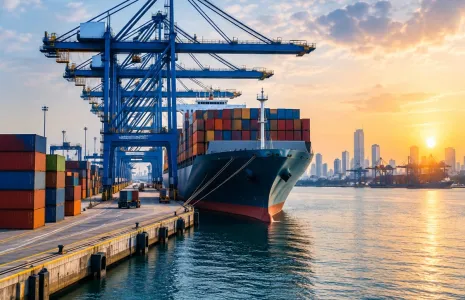
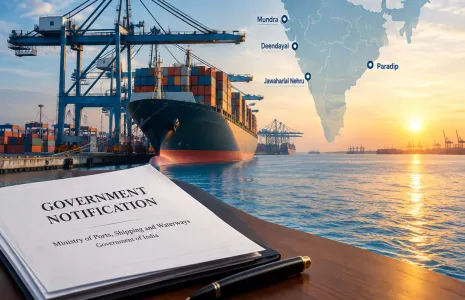
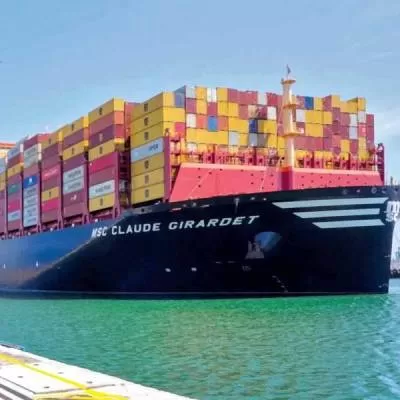
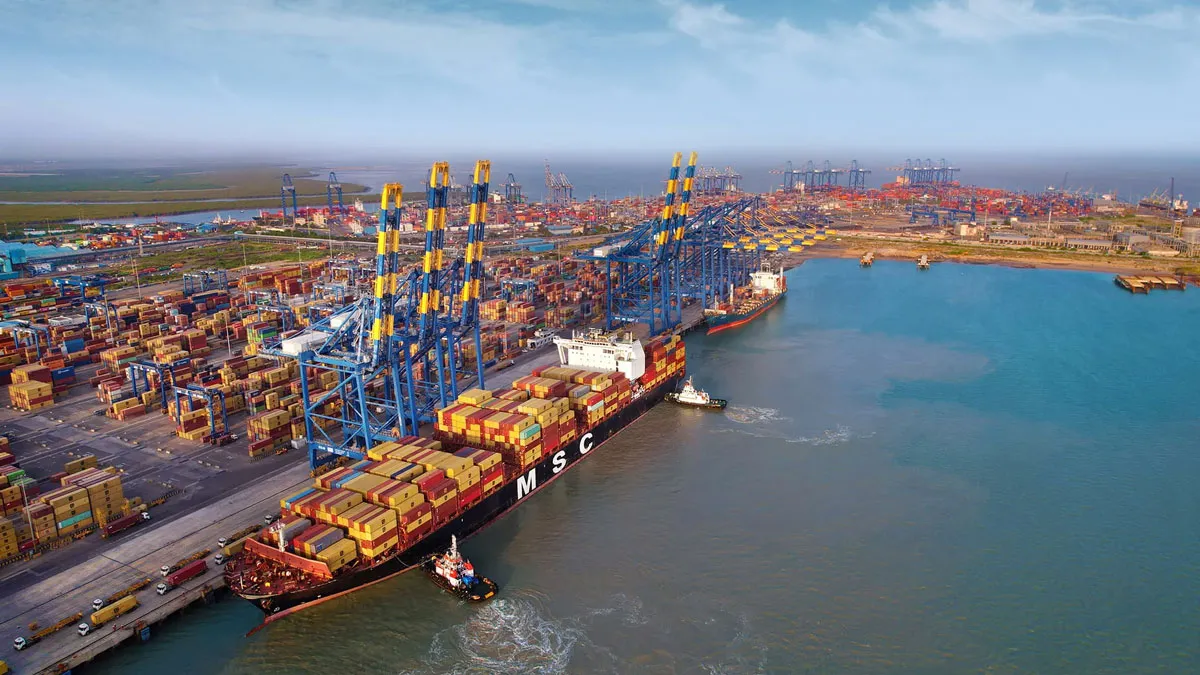
Adani Ports and Special Economic Zone Limited (Adani Ports) reported that it handled 44.8 mn t of cargo in January 2026, representing a 12 per cent increase year on year. The monthly throughput figure underlines resilience in port activity during the start of the year. The company attributed the rise to higher vessel calls and improved operational efficiency across key terminals.

The volume covered both containerised and bulk consignments handled across its network of terminals, supporting trade flows for industrial and consumer goods. Terminal operations reportedly saw better berth productivity and turnaround times, which contributed to the overall uplift in throughput. Logistics partners responded to steadier scheduling, easing congestion at peak berths.

Market observers said the performance will be monitored for its implications on supply chains and freight rates during the first quarter. Adani Ports' monthly data provides a near term indicator of trade momentum as firms adjust to seasonal demand and global shipping conditions. Management indicated continued focus on capacity optimisation and customer service to sustain growth.

The January outcome follows trends seen in recent months and will form part of broader quarterly reporting by the company. Analysts will assess whether the growth is maintained in subsequent months amid shifting trade patterns. The operator remains positioned to leverage existing infrastructure as demand patterns evolve.

Investments in digital systems and coordinated berth planning were cited as part of ongoing initiatives to streamline operations and reduce turnaround times. The operator's logistics network benefits from integrated hinterland connectivity, which supports the timely movement of consignments to and from industrial centres.

Stakeholders will watch quarterly disclosures for confirmation of sustainable growth and operational metrics tied to capacity utilisation. Continued coordination with shipping lines and freight forwarders will be critical to maintain momentum and manage seasonal variations in demand.

Adani Ports and Special Economic Zone Limited (Adani Ports) reported that it handled 44.8 mn t of cargo in January 2026, representing a 12 per cent increase year on year. The monthly throughput figure underlines resilience in port activity during the start of the year. The company attributed the rise to higher vessel calls and improved operational efficiency across key terminals. The volume covered both containerised and bulk consignments handled across its network of terminals, supporting trade flows for industrial and consumer goods. Terminal operations reportedly saw better berth productivity and turnaround times, which contributed to the overall uplift in throughput. Logistics partners responded to steadier scheduling, easing congestion at peak berths. Market observers said the performance will be monitored for its implications on supply chains and freight rates during the first quarter. Adani Ports' monthly data provides a near term indicator of trade momentum as firms adjust to seasonal demand and global shipping conditions. Management indicated continued focus on capacity optimisation and customer service to sustain growth. The January outcome follows trends seen in recent months and will form part of broader quarterly reporting by the company. Analysts will assess whether the growth is maintained in subsequent months amid shifting trade patterns. The operator remains positioned to leverage existing infrastructure as demand patterns evolve. Investments in digital systems and coordinated berth planning were cited as part of ongoing initiatives to streamline operations and reduce turnaround times. The operator's logistics network benefits from integrated hinterland connectivity, which supports the timely movement of consignments to and from industrial centres. Stakeholders will watch quarterly disclosures for confirmation of sustainable growth and operational metrics tied to capacity utilisation. Continued coordination with shipping lines and freight forwarders will be critical to maintain momentum and manage seasonal variations in demand.

Related Stories

Gold Stories

Next Story
Infrastructure Urban

KONE Opens India's First Digital Experience Centre in Pune

KONE, a global elevator and escalator manufacturer, has inaugurated its first Digital Experience Centre (DEC) in India, located in Pune. The facility aims to showcase how artificial intelligence (AI), connectivity and data-driven technologies can enhance customer experiences and improve building operations.The centre was inaugurated by Jussi Herlin, Executive Vice Chair, KONE Corporation; Philippe Delorme, President and CEO, KONE; and Nandan Nilekani, Co-founder and Chairman of the Board, Infosys.Designed as an interactive customer environment, the facility demonstrates digital solutions cover..

Next Story
Infrastructure Urban

CII GreenCo Launches Circularity Guidelines for Indian Industry

The Confederation of Indian Industry (CII) GreenCo Council has launched the CII GreenCo Circularity Guidelines – Pilot Version at the 17th CII GreenCo Waste & Resource Management Summit 2026 in Chennai. The initiative aims to strengthen resource efficiency, waste reduction and circular economy practices across Indian manufacturing and process industries.The guidelines introduce a structured framework with circularity indices covering raw materials, consumables, packaging and other resource inputs. These indicators will help industries assess existing practices, identify opportunities to ..

Next Story
Infrastructure Energy

Global Electronics Association Launches IPC-1783-CO2E Standard

The Global Electronics Association has introduced IPC-1783-CO2E, a new international standard aimed at improving consistency, transparency and comparability in product carbon footprint reporting across the electronics manufacturing industry.The standard, titled International Standard for Data Collection and Reporting of CO2 Equivalent (CO2e) Emissions for the Electronics Manufacturing Supply Chain, provides industry-specific guidance for collecting, estimating and reporting carbon emissions data.With increasing regulatory requirements and customer expectations, electronics manufacturers face c..

Advertisement

Subscribe to Our Newsletter

Get daily newsletters around different themes from Construction world.

STAY CONNECTED

Advertisement

SPECIAL OFFER
QR Code