Adani Ports To Build 100 Acre Container Freight Station For Vizhinjam
PORTS & SHIPPING

Adani Ports To Build 100 Acre Container Freight Station For Vizhinjam

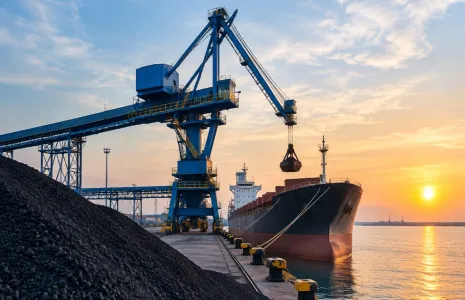
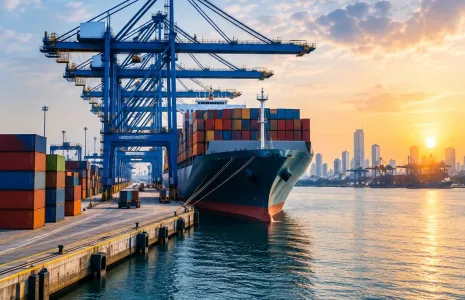
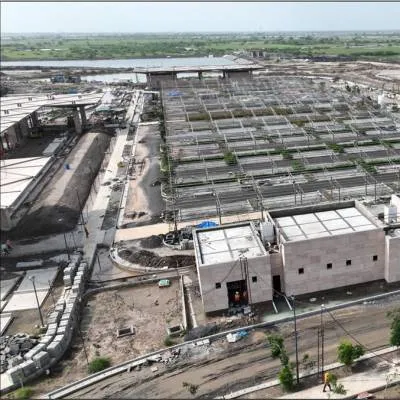
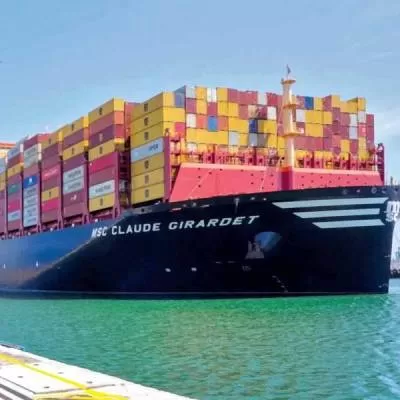
Adani Ports plans to build a 100-acre container freight station at Vizhinjam Port to enable full EXIM operations after CBIC conditions. The move follows final CBIC approval for the port to commence full EXIM operations from August 18, subject to specific requirements. Regulators required the presence of a CFS before allowing certain inbound and outbound consignments to be handled at the terminal.

A container freight station is a full service warehouse where goods are staged, sorted and prepared for last mile logistics. It can handle both full container load shipments used by a single shipper and less than container load shipments used by multiple shippers. This differs from container yards where full loads are stored long term and empty containers may remain for extended periods.

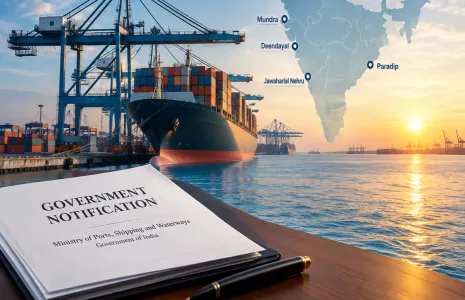
The CBIC order allowed only inbound full container load consignments eligible for direct port delivery, which must reach the importer's premises within 48 hours of landing. Inbound less than container load consignments, loose cargo and containers requiring de-stuffing or CFS examination were not permitted until a CFS is established. Similar limits were applied to outbound shipments, constraining the scope of gateway trade until the freight station is operational.

August 18 will mark the flagging off of the first export container at the port, officially starting EXIM operations. During the initial phase, 70 per cent of cargo handled is expected to remain as transshipments while the remainder serves as gateway cargo. Ports and logistics operators will therefore prioritise infrastructure that ensures rapid customs processing and swift delivery to final destinations.

A rail link integrating the terminal with the state mainline is planned to be completed in about four years and will further boost EXIM throughput. The state government has proposed Mission Samudra under which it earmarked Rs four billion (bn) to transform Kerala into a port state. The planned container freight station is expected to fill a key logistical gap by enabling de-stuffing, temporary storage and coordinated customs clearance to support growing gateway volumes.

Adani Ports plans to build a 100-acre container freight station at Vizhinjam Port to enable full EXIM operations after CBIC conditions. The move follows final CBIC approval for the port to commence full EXIM operations from August 18, subject to specific requirements. Regulators required the presence of a CFS before allowing certain inbound and outbound consignments to be handled at the terminal. A container freight station is a full service warehouse where goods are staged, sorted and prepared for last mile logistics. It can handle both full container load shipments used by a single shipper and less than container load shipments used by multiple shippers. This differs from container yards where full loads are stored long term and empty containers may remain for extended periods. The CBIC order allowed only inbound full container load consignments eligible for direct port delivery, which must reach the importer's premises within 48 hours of landing. Inbound less than container load consignments, loose cargo and containers requiring de-stuffing or CFS examination were not permitted until a CFS is established. Similar limits were applied to outbound shipments, constraining the scope of gateway trade until the freight station is operational. August 18 will mark the flagging off of the first export container at the port, officially starting EXIM operations. During the initial phase, 70 per cent of cargo handled is expected to remain as transshipments while the remainder serves as gateway cargo. Ports and logistics operators will therefore prioritise infrastructure that ensures rapid customs processing and swift delivery to final destinations. A rail link integrating the terminal with the state mainline is planned to be completed in about four years and will further boost EXIM throughput. The state government has proposed Mission Samudra under which it earmarked Rs four billion (bn) to transform Kerala into a port state. The planned container freight station is expected to fill a key logistical gap by enabling de-stuffing, temporary storage and coordinated customs clearance to support growing gateway volumes.

Related Stories

Gold Stories

Next Story
Infrastructure Urban

KONE Opens India's First Digital Experience Centre in Pune

KONE, a global elevator and escalator manufacturer, has inaugurated its first Digital Experience Centre (DEC) in India, located in Pune. The facility aims to showcase how artificial intelligence (AI), connectivity and data-driven technologies can enhance customer experiences and improve building operations.The centre was inaugurated by Jussi Herlin, Executive Vice Chair, KONE Corporation; Philippe Delorme, President and CEO, KONE; and Nandan Nilekani, Co-founder and Chairman of the Board, Infosys.Designed as an interactive customer environment, the facility demonstrates digital solutions cover..

Next Story
Infrastructure Urban

CII GreenCo Launches Circularity Guidelines for Indian Industry

The Confederation of Indian Industry (CII) GreenCo Council has launched the CII GreenCo Circularity Guidelines – Pilot Version at the 17th CII GreenCo Waste & Resource Management Summit 2026 in Chennai. The initiative aims to strengthen resource efficiency, waste reduction and circular economy practices across Indian manufacturing and process industries.The guidelines introduce a structured framework with circularity indices covering raw materials, consumables, packaging and other resource inputs. These indicators will help industries assess existing practices, identify opportunities to ..

Next Story
Infrastructure Energy

Global Electronics Association Launches IPC-1783-CO2E Standard

The Global Electronics Association has introduced IPC-1783-CO2E, a new international standard aimed at improving consistency, transparency and comparability in product carbon footprint reporting across the electronics manufacturing industry.The standard, titled International Standard for Data Collection and Reporting of CO2 Equivalent (CO2e) Emissions for the Electronics Manufacturing Supply Chain, provides industry-specific guidance for collecting, estimating and reporting carbon emissions data.With increasing regulatory requirements and customer expectations, electronics manufacturers face c..

Advertisement

Subscribe to Our Newsletter

Get daily newsletters around different themes from Construction world.

STAY CONNECTED

Advertisement

SPECIAL OFFER
QR Code