

Cabinet Approves Rs 697.25 Bn Shipbuilding Package
PORTS & SHIPPING

Cabinet Approves Rs 697.25 Bn Shipbuilding Package

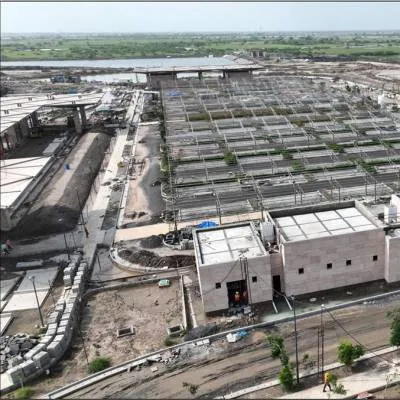
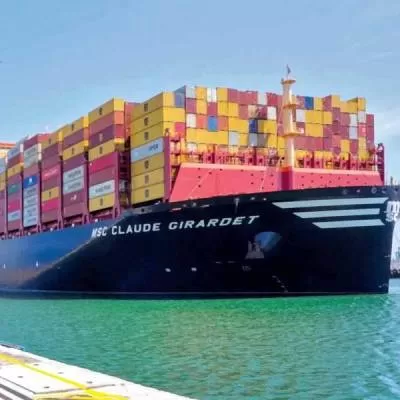
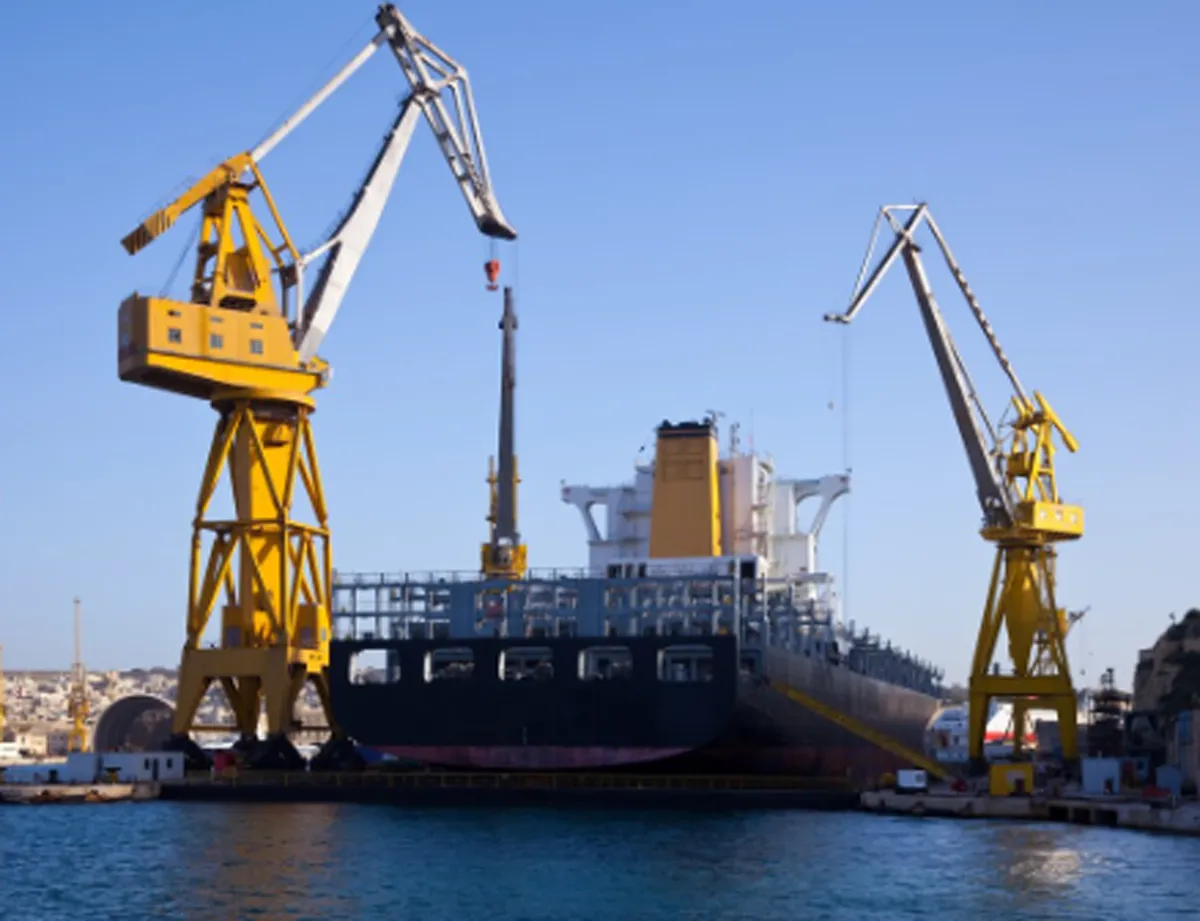
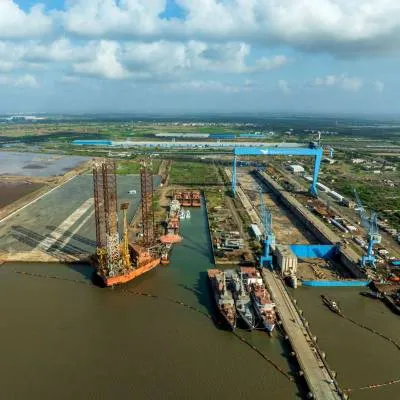
The Union Cabinet has approved a Rs 697.25 billion package aimed at strengthening India’s shipbuilding industry, reducing dependence on foreign ships, and boosting domestic maritime capacity.

The package follows a four-pillar approach to enhance domestic shipbuilding capacity, provide long-term financing, support greenfield and brownfield shipyard development, promote technical skills and training, and implement legal, taxation, and policy reforms for robust maritime infrastructure.

Under the initiative, the Shipbuilding Financial Assistance Scheme (SBFAS) will be extended until March 31, 2036, with a corpus of Rs 247.36 billion. This includes a Shipbreaking Credit Note of Rs 40.01 billion and the establishment of a National Shipbuilding Mission to oversee implementation.

The Maritime Development Fund (MDF) has been approved with a corpus of Rs 250 billion, including a Maritime Investment Fund of Rs 200 billion with 49 per cent government participation and a Rs 50 billion Interest Incentivisation Fund to lower debt costs and improve project bankability.

Additionally, the Shipbuilding Development Scheme (SbDS), with an outlay of Rs 199.89 billion, aims to expand domestic shipbuilding capacity to 4.5 million gross tonnage annually, support mega shipbuilding clusters, establish the India Ship Technology Centre under the Indian Maritime University, and provide risk coverage, including insurance support for projects.

The package is expected to generate nearly 30 lakh jobs, attract investments of about Rs 4.5 trillion, and strengthen national, energy, and food security by enhancing resilience in supply chains and maritime routes. It also aims to improve India’s global shipbuilding ranking, targeting a top-ten position by 2030 and top-five by 2047, advancing the vision of Aatmanirbhar Bharat.

News source: The Hindu

The Union Cabinet has approved a Rs 697.25 billion package aimed at strengthening India’s shipbuilding industry, reducing dependence on foreign ships, and boosting domestic maritime capacity.The package follows a four-pillar approach to enhance domestic shipbuilding capacity, provide long-term financing, support greenfield and brownfield shipyard development, promote technical skills and training, and implement legal, taxation, and policy reforms for robust maritime infrastructure.Under the initiative, the Shipbuilding Financial Assistance Scheme (SBFAS) will be extended until March 31, 2036, with a corpus of Rs 247.36 billion. This includes a Shipbreaking Credit Note of Rs 40.01 billion and the establishment of a National Shipbuilding Mission to oversee implementation.The Maritime Development Fund (MDF) has been approved with a corpus of Rs 250 billion, including a Maritime Investment Fund of Rs 200 billion with 49 per cent government participation and a Rs 50 billion Interest Incentivisation Fund to lower debt costs and improve project bankability.Additionally, the Shipbuilding Development Scheme (SbDS), with an outlay of Rs 199.89 billion, aims to expand domestic shipbuilding capacity to 4.5 million gross tonnage annually, support mega shipbuilding clusters, establish the India Ship Technology Centre under the Indian Maritime University, and provide risk coverage, including insurance support for projects.The package is expected to generate nearly 30 lakh jobs, attract investments of about Rs 4.5 trillion, and strengthen national, energy, and food security by enhancing resilience in supply chains and maritime routes. It also aims to improve India’s global shipbuilding ranking, targeting a top-ten position by 2030 and top-five by 2047, advancing the vision of Aatmanirbhar Bharat.News source: The Hindu

Next Story
Infrastructure Transport

MMRDA advances 250 m on Orange Gate–Marine Drive tunnel

The Mumbai Metropolitan Region Development Authority (MMRDA) has completed 250 m of underground tunnelling for the Orange Gate–Marine Drive Urban Road Tunnel using India’s largest slurry shield tunnel boring machine (TBM) deployed for an urban road project.The project involves twin tunnels extending over 7 km beneath critical transport corridors, including Central Railway, Western Railway and Metro Line 3. The work requires high-precision engineering to navigate densely developed urban infrastructure.Once completed, the tunnel is expected to reduce travel time between Orange Gate and Marin..

Next Story
Infrastructure Urban

Hindustan Zinc Pays Rs 188.46 Billion in FY26

Hindustan Zinc contributed Rs 188.46 billion to the public exchequer in FY 2025-26, according to its 9th Tax Transparency Report. The contribution, equivalent to 46 per cent of the company’s revenue, included direct and indirect taxes, government royalties, dividends to the Government of India, withholding taxes and other statutory levies.The company’s five-year cumulative contribution to the exchequer stood at Rs 915.72 billion. In FY26, Hindustan Zinc reported revenue of Rs 408.44 billion, EBITDA of Rs 221.62 billion and profit after tax of Rs 138.32 billion. It also achieved its highest..

Next Story
Infrastructure Urban

World of Concrete India 2026 Opens in Mumbai

Informa Markets in India will host the 12th edition of World of Concrete India 2026 from 3–5 June 2026 at the Bombay Exhibition Centre, Mumbai. The specialised B2B exhibition will bring together manufacturers, suppliers, contractors, developers, architects, consultants, infrastructure companies, project leaders and government stakeholders.The event is expected to feature over 350 brands and more than 18,000 trade professionals. It will cover concrete and cement, dry mortar, precast technologies, formwork, construction chemicals, industrial and commercial flooring, scaffolding, safety solutio..

Advertisement

Subscribe to Our Newsletter

Get daily newsletters around different themes from Construction world.

STAY CONNECTED

Advertisement

Advertisement

Advertisement