Centre Notifies Rs 447 Bn Shipbuilding Support Guidelines
PORTS & SHIPPING

Centre Notifies Rs 447 Bn Shipbuilding Support Guidelines

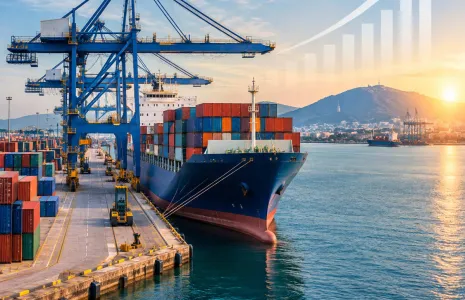
The Centre has recently notified the operational guidelines for two major shipbuilding initiatives—the Shipbuilding Financial Assistance Scheme (SBFAS) and the Shipbuilding Development Scheme (SbDS)—with a combined outlay of Rs 447 billion to strengthen India’s domestic shipbuilding capacity and global competitiveness. The guidelines, issued by the Ministry of Ports, Shipping and Waterways, establish a transparent and accountable framework for implementation.

Speaking on the occasion, Union Minister Sarbananda Sonowal said the initiatives mark a decisive policy reset for India’s shipbuilding sector, enabling large-scale investment, strengthening Make in India linkages and positioning the country as a major maritime nation under the Viksit Bharat and Atmanirbhar Bharat vision.

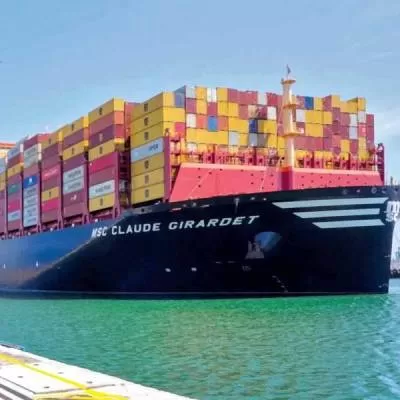
Under SBFAS, with a corpus of Rs 247.36 billion, the government will provide financial assistance of 15–25 per cent per vessel, depending on category. The scheme covers small, large and specialised vessels, with milestone-linked disbursements, incentives for series orders and mandatory independent valuation. It also provides for a National Shipbuilding Mission and introduces a Shipbreaking Credit Note, offering shipowners 40 per cent of scrap value as credit when vessels are recycled at Indian yards.

Over the next decade, SBFAS is expected to support shipbuilding projects worth around Rs 960 billion, stimulating domestic manufacturing and employment across the maritime value chain.

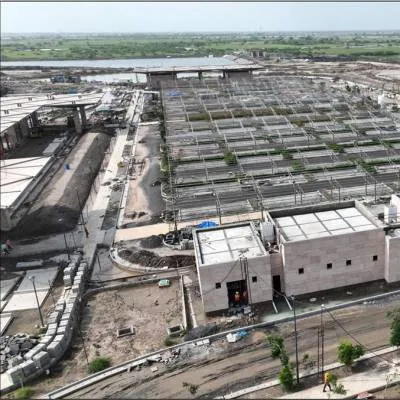
The SbDS, with a budgetary outlay of Rs 199.89 billion, focuses on long-term capacity creation through greenfield shipbuilding clusters, modernisation of existing shipyards and the establishment of an India Ship Technology Centre at the Indian Maritime University. The scheme also includes a Credit Risk Coverage Framework to improve project bankability.

According to the ministry, these measures are expected to raise India’s commercial shipbuilding capacity to about 4.5 million gross tonnage per annum by 2047, strengthening maritime security, employment and economic resilience.

The Centre has recently notified the operational guidelines for two major shipbuilding initiatives—the Shipbuilding Financial Assistance Scheme (SBFAS) and the Shipbuilding Development Scheme (SbDS)—with a combined outlay of Rs 447 billion to strengthen India’s domestic shipbuilding capacity and global competitiveness. The guidelines, issued by the Ministry of Ports, Shipping and Waterways, establish a transparent and accountable framework for implementation. Speaking on the occasion, Union Minister Sarbananda Sonowal said the initiatives mark a decisive policy reset for India’s shipbuilding sector, enabling large-scale investment, strengthening Make in India linkages and positioning the country as a major maritime nation under the Viksit Bharat and Atmanirbhar Bharat vision. Under SBFAS, with a corpus of Rs 247.36 billion, the government will provide financial assistance of 15–25 per cent per vessel, depending on category. The scheme covers small, large and specialised vessels, with milestone-linked disbursements, incentives for series orders and mandatory independent valuation. It also provides for a National Shipbuilding Mission and introduces a Shipbreaking Credit Note, offering shipowners 40 per cent of scrap value as credit when vessels are recycled at Indian yards. Over the next decade, SBFAS is expected to support shipbuilding projects worth around Rs 960 billion, stimulating domestic manufacturing and employment across the maritime value chain. The SbDS, with a budgetary outlay of Rs 199.89 billion, focuses on long-term capacity creation through greenfield shipbuilding clusters, modernisation of existing shipyards and the establishment of an India Ship Technology Centre at the Indian Maritime University. The scheme also includes a Credit Risk Coverage Framework to improve project bankability. According to the ministry, these measures are expected to raise India’s commercial shipbuilding capacity to about 4.5 million gross tonnage per annum by 2047, strengthening maritime security, employment and economic resilience.

Next Story
Infrastructure Transport

Under-construction Ropeway Collapses in Bihar’s Rohtas District

An under-construction ropeway in Bihar’s Rohtas district collapsed on Friday, forcing an immediate halt to the project just days before its scheduled inauguration on New Year’s Day, January 1, 2026. Authorities confirmed that no casualties or injuries were reported in the incident.The ropeway was being developed to improve access for tourists and devotees visiting Rohtas Fort, also known as Rohtasgarh, a prominent tourist destination in the state. The fort, located at an altitude of around 1,400 feet above sea level, attracts large crowds on New Year’s Day, when visitors also throng the ..

Next Story
Infrastructure Urban

NTH and DRDO Lab DMSRDE Sign MoU for Research and Testing Ties

The National Test House (NTH), functioning under the Department of Consumer Affairs, Ministry of Consumer Affairs, Food & Public Distribution, has signed a Memorandum of Understanding (MoU) with the Defence Materials and Stores Research & Development Establishment (DMSRDE), a laboratory of the Defence Research & Development Organisation (DRDO), Ministry of Defence, Government of India, to strengthen cooperation in research, testing and training.The MoU establishes a framework for collaborative research and testing activities, sharing of laboratory and instrumentation facilities, ex..

Next Story
Infrastructure Transport

MoCA Sets up 24x7 Passenger Assistance Control Room for Flyers

The Ministry of Civil Aviation (MoCA) has established a permanent, 24x7 Passenger Assistance Control Room (PACR) to accelerate the redressal of air passenger grievances, responding to the rapid growth of India’s aviation sector and the associated rise in service-related complaints.India’s aviation industry has expanded significantly over the past decade, particularly in the last eleven years, resulting in higher passenger volumes and improved connectivity. However, this growth has also brought persistent challenges such as flight delays, cancellations, refund disputes, baggage issues, cong..

Advertisement

Subscribe to Our Newsletter

Get daily newsletters around different themes from Construction world.

STAY CONNECTED

Advertisement

Advertisement

Advertisement

Advertisement

Open In App