GE Shipping Takes Delivery of 2013 Built Tanker Jag Pranesh
PORTS & SHIPPING

GE Shipping Takes Delivery of 2013 Built Tanker Jag Pranesh

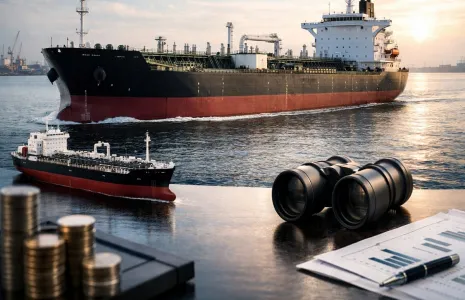
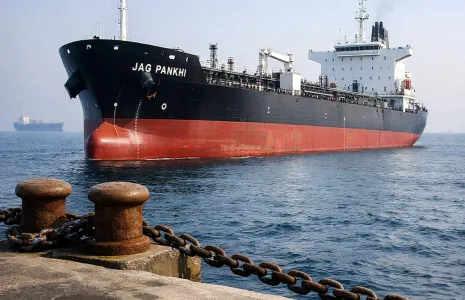
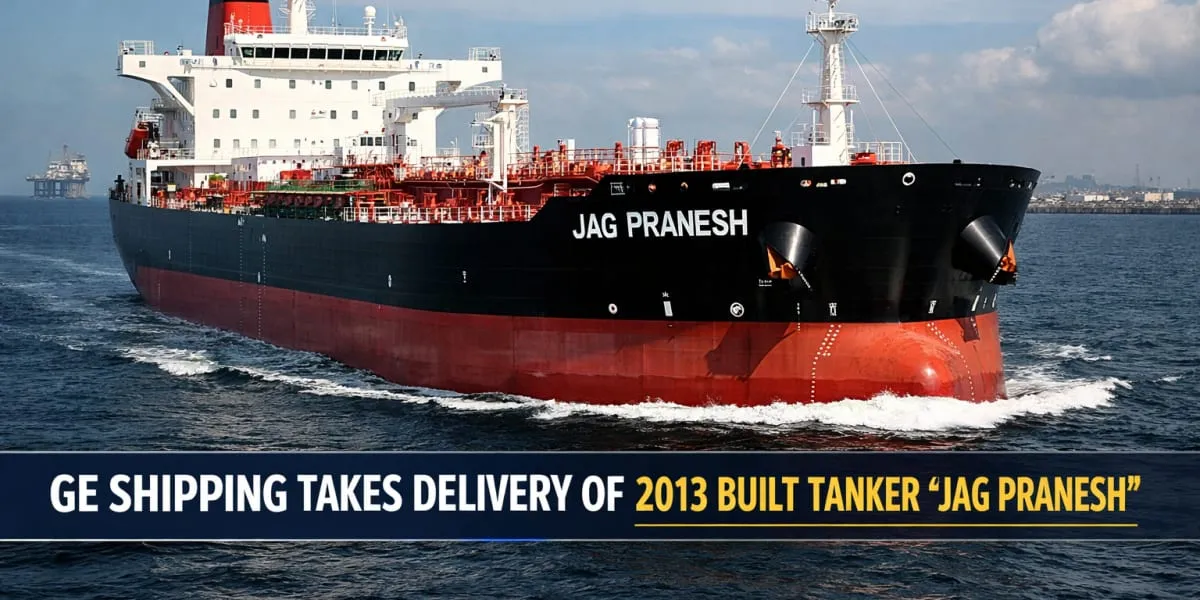
The Great Eastern Shipping Company Limited (GE Shipping) took delivery of the 2013 South Korean built medium range tanker Jag Pranesh, of about 51,565 dwt, on February 24, 2026. The vessel had been contracted for purchase in Q3 FY26 and the acquisition was financed entirely from internal accruals. GE Shipping said the delivery continued the company's fleet renewal and growth strategy. The addition is intended to support the company's charter commitments and operational scheduling across coastal and international trades.

After this addition, the company's owned fleet stands at 41 vessels, comprising 27 tankers and 14 dry bulk carriers, aggregating 3.25 mn dwt. The tanker fleet includes five crude tankers, 17 product tankers and five LPG carriers while the dry bulk fleet comprises two Capesize, nine Kamsarmax, one Ultramax and two Supramax vessels. The company said current capacity utilisation is close to 100 per cent. High utilisation reflects firm demand in key trade lanes and effective deployment of owned tonnage.

The company has also contracted to sell one very large gas carrier Jag Vishnu and expects the sale to be completed in Q4 FY26. Management indicated that the disposal will adjust the fleet mix and support capital allocation for further opportunities. The company continues to finance acquisitions through internal resources and prudent balance sheet management. Proceeds from the disposal are expected to be deployed in line with the company's capital allocation policy.

The delivery of Jag Pranesh aligns with stated objectives to maintain a modern fleet and improve operating efficiency while preserving financial flexibility. The transaction is expected to support service continuity to customers across tanker and gas segments as operational deployment is adjusted. GE Shipping will continue to monitor market conditions and execute fleet decisions consistent with shareholder value. Board and management will continue to assess opportunities including acquisitions, disposals and long-term charters as market conditions evolve.

The Great Eastern Shipping Company Limited (GE Shipping) took delivery of the 2013 South Korean built medium range tanker Jag Pranesh, of about 51,565 dwt, on February 24, 2026. The vessel had been contracted for purchase in Q3 FY26 and the acquisition was financed entirely from internal accruals. GE Shipping said the delivery continued the company's fleet renewal and growth strategy. The addition is intended to support the company's charter commitments and operational scheduling across coastal and international trades. After this addition, the company's owned fleet stands at 41 vessels, comprising 27 tankers and 14 dry bulk carriers, aggregating 3.25 mn dwt. The tanker fleet includes five crude tankers, 17 product tankers and five LPG carriers while the dry bulk fleet comprises two Capesize, nine Kamsarmax, one Ultramax and two Supramax vessels. The company said current capacity utilisation is close to 100 per cent. High utilisation reflects firm demand in key trade lanes and effective deployment of owned tonnage. The company has also contracted to sell one very large gas carrier Jag Vishnu and expects the sale to be completed in Q4 FY26. Management indicated that the disposal will adjust the fleet mix and support capital allocation for further opportunities. The company continues to finance acquisitions through internal resources and prudent balance sheet management. Proceeds from the disposal are expected to be deployed in line with the company's capital allocation policy. The delivery of Jag Pranesh aligns with stated objectives to maintain a modern fleet and improve operating efficiency while preserving financial flexibility. The transaction is expected to support service continuity to customers across tanker and gas segments as operational deployment is adjusted. GE Shipping will continue to monitor market conditions and execute fleet decisions consistent with shareholder value. Board and management will continue to assess opportunities including acquisitions, disposals and long-term charters as market conditions evolve.

Next Story
Infrastructure Transport

AFCONS & Navayuga set world records with Missing Link Expressway

Maharashtra’s most ambitious greenfield bypass — a 13.3-km alignment carrying twin record-setting tunnels and India’s tallest cable-stayed road bridge — was thrown open to traffic on Maharashtra Day, finally completing the Mumbai–Pune Expressway after a 23-year wait. CW reports…The 650-m cable-stayed bridge over Tiger Valley at sunset — the package executed by Afcons Infrastructure Ltd carries 182-m pylons, the tallest on any Indian road bridge.On 1 May 2026, Chief Minister Devendra Fadnavis, flanked by Deputy Chief Ministers Eknath Shinde and Sunetra Pawar (representing the late..

Next Story
Infrastructure Transport

Mumbai–Pune Missing Link boosts realty prospects

The recently opened ‘missing link’ on the Mumbai–Pune Expressway is set to significantly transform connectivity between the two cities by reducing travel time and bypassing the challenging ghat section. The new alignment, featuring tunnels and viaducts, is designed to improve safety, ease congestion and ensure a smoother, faster commute for both passenger and commercial traffic.With improved travel efficiency, the corridor is expected to strengthen intercity movement, encouraging more frequent travel for work, leisure and logistics. This enhanced accessibility is likely to benefit real e..

Next Story
Infrastructure Urban

How Hormuz is Hijacking Indian Highways

At the recently held RAHSTA Round Table on 29th April in Pune, and earlier during our webinars for Cement Expo by Indian Cement Review and by FIRST Construction Council on manufacturing construction equipment for the world, one thread lay common: the industry is being subjected to a cost-push chain reaction moving from crude oil → freight/insurance → steel, cement fuel, bitumen, polymers, packaging, logistics and finally project margins. Indeed, the West Asia crisis caused by the war and the Hormuz Strait blockade, which does not directly concern us, has turned around and hit us. If the wa..

Advertisement

Subscribe to Our Newsletter

Get daily newsletters around different themes from Construction world.

STAY CONNECTED

Advertisement

Advertisement

Advertisement