
+
Indian Exporters Face Shipping Delays
PORTS & SHIPPING

Indian Exporters Face Shipping Delays

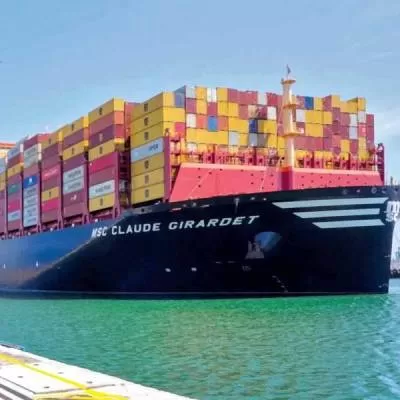
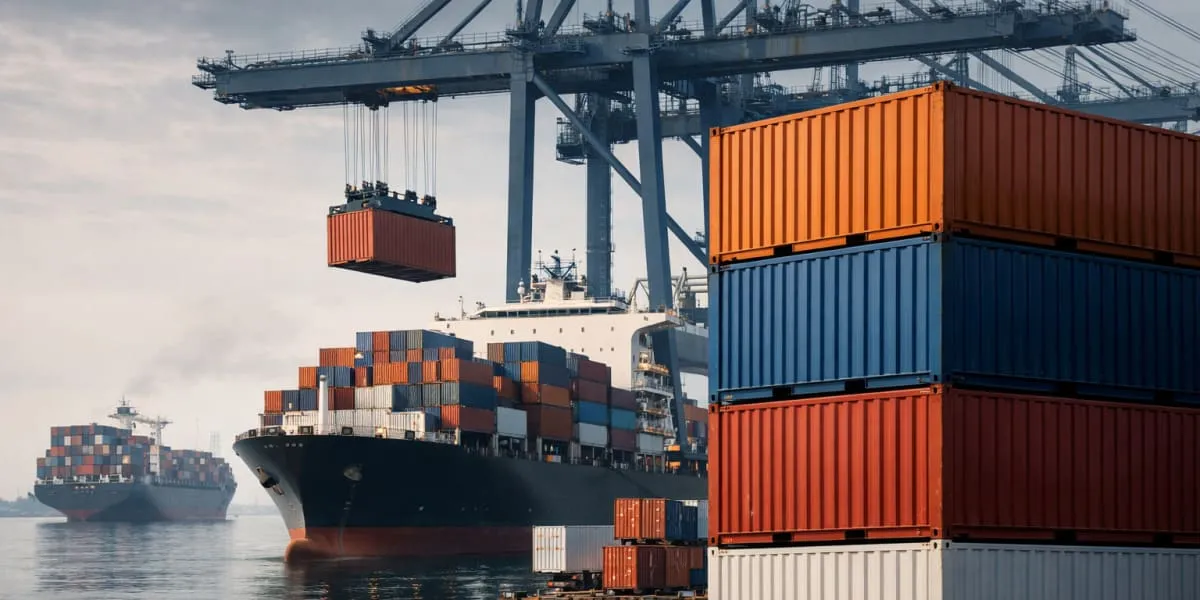
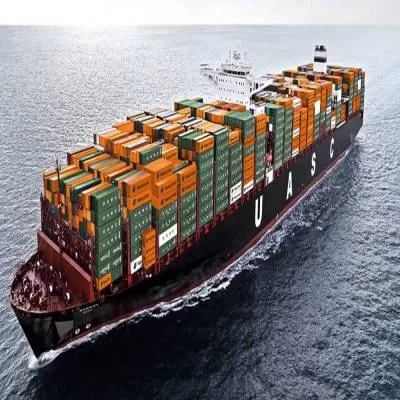
Indian exporters are facing fresh shipping delays as congestion at the transhipment hubs of Singapore and Colombo spills into domestic trade and a surge in China?US container traffic tightens global container availability. The disruption has unsettled export schedules and increased freight costs across multiple Indian gateways. Industry participants attribute the pressure to bottlenecks at key regional transhipment points.

Industry sources said a shortage of feeder vessels connecting India to major transhipment ports is central, and a Chennai?based packaging producer reported containers waiting 15 to 20 days in Singapore. That contrasts with the usual three to four days required for cargo to reach Chennai from Port Klang when feeders operate. The diversion through Singapore has increased handling time and transit uncertainty.

China's exports to the United States grew around 17 per cent in July year?on?year while imports rose 15 per cent, drawing container capacity to trans?Pacific trade and reducing availability elsewhere. Drewry reported freight rates for a 40?foot container from Shanghai to Los Angeles rose 133 per cent to $5,894 and rates to New York rose 106 per cent to $7,893. The demand shift is reshaping global capacity allocation.

A trade association executive denied that container shortages were the principal cause and attributed delays to port congestion at transhipment hubs, yet exporters described a contrasting experience. Traders said global shipping lines were declining bookings citing container shortages, with confirmed sailing schedules only a month in advance and spot bookings accepted without guarantees of specific loading. Domestic shippers also reported a container imbalance fee and rapidly changing tariffs.

Similar bottlenecks have emerged at Cochin, Tuticorin and Chennai, with a Kerala food exporter reporting daily freight changes and longer transit times. The offline status of Jebel Ali since the Iran conflict escalated has added further strain to regional networks and prompted a redrawing of supply chains. The combination of transhipment congestion, the China?US trade surge and West Asian disruption is creating sustained uncertainty for Indian exporters, and rising costs and unpredictable booking confirmations will continue while these overlapping pressures remain.

Indian exporters are facing fresh shipping delays as congestion at the transhipment hubs of Singapore and Colombo spills into domestic trade and a surge in China?US container traffic tightens global container availability. The disruption has unsettled export schedules and increased freight costs across multiple Indian gateways. Industry participants attribute the pressure to bottlenecks at key regional transhipment points. Industry sources said a shortage of feeder vessels connecting India to major transhipment ports is central, and a Chennai?based packaging producer reported containers waiting 15 to 20 days in Singapore. That contrasts with the usual three to four days required for cargo to reach Chennai from Port Klang when feeders operate. The diversion through Singapore has increased handling time and transit uncertainty. China's exports to the United States grew around 17 per cent in July year?on?year while imports rose 15 per cent, drawing container capacity to trans?Pacific trade and reducing availability elsewhere. Drewry reported freight rates for a 40?foot container from Shanghai to Los Angeles rose 133 per cent to $5,894 and rates to New York rose 106 per cent to $7,893. The demand shift is reshaping global capacity allocation. A trade association executive denied that container shortages were the principal cause and attributed delays to port congestion at transhipment hubs, yet exporters described a contrasting experience. Traders said global shipping lines were declining bookings citing container shortages, with confirmed sailing schedules only a month in advance and spot bookings accepted without guarantees of specific loading. Domestic shippers also reported a container imbalance fee and rapidly changing tariffs. Similar bottlenecks have emerged at Cochin, Tuticorin and Chennai, with a Kerala food exporter reporting daily freight changes and longer transit times. The offline status of Jebel Ali since the Iran conflict escalated has added further strain to regional networks and prompted a redrawing of supply chains. The combination of transhipment congestion, the China?US trade surge and West Asian disruption is creating sustained uncertainty for Indian exporters, and rising costs and unpredictable booking confirmations will continue while these overlapping pressures remain.

Related Stories

Gold Stories
Next Story
Infrastructure Transport

97 Per Cent Of Rongjeng-Mangsang-Adokgre Road Nears Completion

Deputy Chief Minister in-charge of public works Prestone Tynsong said in Shillong on 26 August that 97 per cent physical progress had been achieved on the ongoing Rongjeng-Mangsang-Adokgre road being constructed under the Non-Lapsable Central Pool of Resources (NLCPR). He noted the project was sanctioned in 2017 and that the stipulated time for completion had been 24 months from issue of the final work order. The deputy chief minister informed the assembly that the government had decided to include the remaining work under a World Bank project. In reply to a query from Rongjeng MLA Jim M Sangm..

Next Story
Infrastructure Transport

First TBM Starts Digging Five Point Three Kilometre Tunnel Under SGNP

The Goregaon-Mulund Link Road (GMLR) Phase three (B) project has reached a key milestone as the first tunnel boring machine (TBM) began excavation of the first of two tunnels beneath the Sanjay Gandhi National Park (SGNP). The machine, named Tulsi, started cutting a five point three kilometre bore that will link Dadasaheb Phalke Chitranagari in Goregaon East with Amar Nagar in Mulund West. Officials issued a statement noting the commencement of tunnelling work under the protected green belt. The twin tunnels are being constructed using mechanised tunnelling methods that aim to limit surface di..

Next Story
Infrastructure Transport

UP Approves Two Expressways And Rs 240 bn Infrastructure Push

The Uttar Pradesh Cabinet approved a series of infrastructure and industrial investment proposals totalling Rs 240 billion (Rs 240 bn), including two major expressway projects, a manufacturing and logistics cluster in Sultanpur and incentives for 11 industrial projects across the state. The decisions, taken at a meeting chaired by Chief Minister Yogi Adityanath, underline the state government’s focus on expanding road connectivity around emerging industrial hubs while attracting manufacturing investment to districts beyond major urban centres. The approvals cover both greenfield expressway c..

Advertisement

Subscribe to Our Newsletter

Get daily newsletters around different themes from Construction world.

STAY CONNECTED

Advertisement

SPECIAL OFFER
QR Code