Jindal Stainless Flags Operational Strain From Middle East Crisis
PORTS & SHIPPING

Jindal Stainless Flags Operational Strain From Middle East Crisis

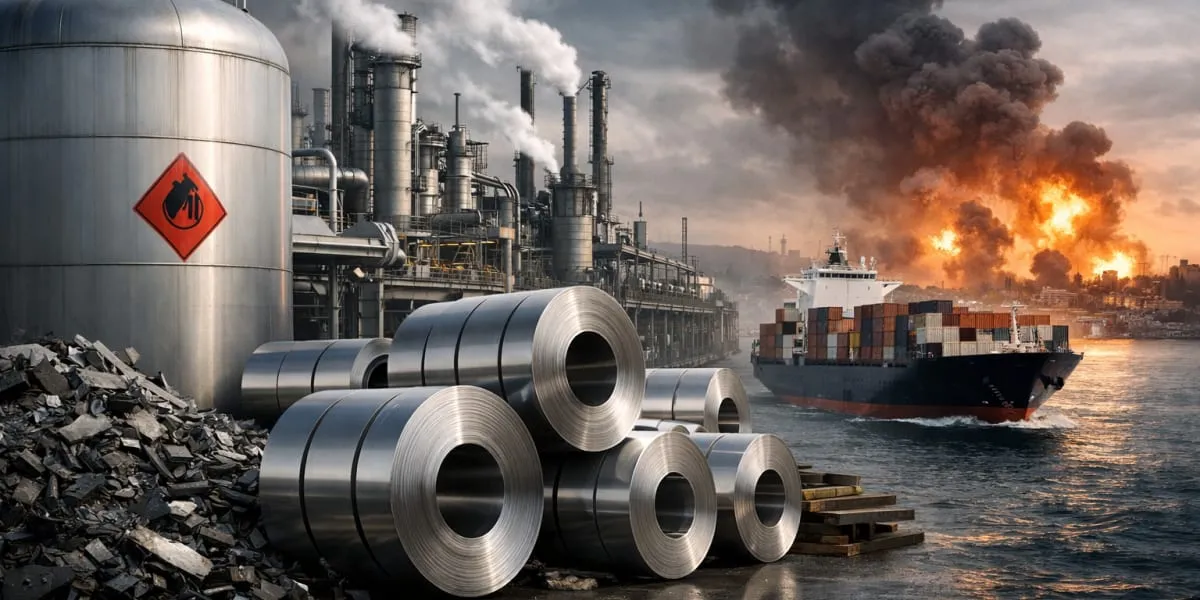
Jindal Stainless warned that the Middle East war crisis has affected its operations because of dependence on industrial gases such as propane and LPG and on natural gas. The scrap-based production route used by the stainless steel maker does not generate blast furnace or coke oven gases internally, unlike the conventional steel industry. Several plant processes have been adversely impacted and production is being run at rationalised capacity.

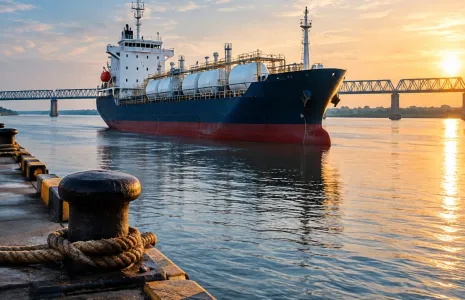
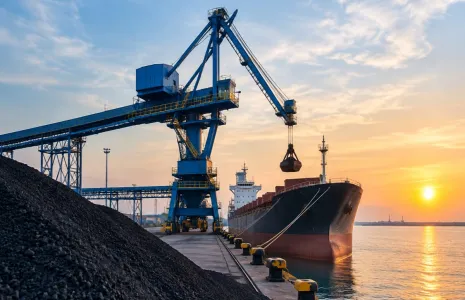
Disruptions in global shipping routes have resulted in vessel diversions, longer transit times and cargo delays, adding pressure to supply chains and to margins. These logistical difficulties are compounding the operational strain from constrained fuel supplies and are delaying receipt of raw materials and finished goods. Management is assessing the impact on production schedules and on commercial commitments.

The company noted that the Government is seized of the matter and is prioritising fuel allocation for critical sectors. It said clarity on the allocation percentage for industrial propane and LPG and for natural gas, together with assurance of regular supplies, will be important for the stainless steel industry to plan and to optimise operations. In the absence of such clarity the firm foresees a cascading effect across the sector.

Jindal Stainless is engaging with relevant authorities to secure firm allocations and to mitigate near term operational disruptions while monitoring market developments closely. The company is adapting production schedules and supply chain arrangements to manage available fuel and to safeguard critical obligations towards customers and suppliers. It has emphasised the need for transparent allocation parameters and for assurances of regular deliveries so that plants can plan maintenance and inventory effectively and to reduce uncertainty in commercial planning. The company warned that the scale and duration of any sustained curtailment will determine longer term impacts on margins, on domestic supply continuity and on the broader value chain.

Jindal Stainless warned that the Middle East war crisis has affected its operations because of dependence on industrial gases such as propane and LPG and on natural gas. The scrap-based production route used by the stainless steel maker does not generate blast furnace or coke oven gases internally, unlike the conventional steel industry. Several plant processes have been adversely impacted and production is being run at rationalised capacity. Disruptions in global shipping routes have resulted in vessel diversions, longer transit times and cargo delays, adding pressure to supply chains and to margins. These logistical difficulties are compounding the operational strain from constrained fuel supplies and are delaying receipt of raw materials and finished goods. Management is assessing the impact on production schedules and on commercial commitments. The company noted that the Government is seized of the matter and is prioritising fuel allocation for critical sectors. It said clarity on the allocation percentage for industrial propane and LPG and for natural gas, together with assurance of regular supplies, will be important for the stainless steel industry to plan and to optimise operations. In the absence of such clarity the firm foresees a cascading effect across the sector. Jindal Stainless is engaging with relevant authorities to secure firm allocations and to mitigate near term operational disruptions while monitoring market developments closely. The company is adapting production schedules and supply chain arrangements to manage available fuel and to safeguard critical obligations towards customers and suppliers. It has emphasised the need for transparent allocation parameters and for assurances of regular deliveries so that plants can plan maintenance and inventory effectively and to reduce uncertainty in commercial planning. The company warned that the scale and duration of any sustained curtailment will determine longer term impacts on margins, on domestic supply continuity and on the broader value chain.

Next Story
Infrastructure Urban

UniAcoustic, Vicoustic Form UniVicoustic Alliance

UniAcoustic, part of United Group, has acquired a strategic stake in Portugal-based Vicoustic, forming a new alliance branded as UniVicoustic. The agreement, signed in Mumbai, marks a significant cross-border partnership aligned with evolving India–EU trade dynamics.The collaboration brings together Vicoustic’s global expertise in architectural acoustic products with UniAcoustic’s manufacturing scale and distribution capabilities. The combined platform aims to expand market reach, integrate technology and optimise supply chains across key regions.The development comes amid progress in th..

Next Story
Infrastructure Urban

Dalmia Bharat, Delhi PWD Revamp Under-Flyover Spaces

Dalmia Bharat has partnered with the Public Works Department (PWD), Government of Delhi, to redevelop select under-flyover spaces and a road stretch into sustainable urban hubs. The agreement covers key locations including Lodhi Flyover, Oberoi Flyover, Mangi Bridge and Hanuman Setu.Under the initiative, the company will undertake design, landscaping, plantation and long-term maintenance of the sites, with a defined upkeep period of three years after completion. The project aims to improve urban aesthetics while promoting environmental sustainability and biodiversity restoration in high-densit..

Next Story
Infrastructure Urban

Versigent Debuts as Independent NYSE-Listed Company

Versigent has launched as an independent publicly traded company following its separation from Aptiv, with shares commencing trading on the New York Stock Exchange under the ticker “VGNT”. The move marks a significant milestone in the company’s transition into a standalone global player in power distribution systems.The company specialises in the design, manufacturing and delivery of low- and high-voltage electrical architectures, supported by engineering centres across four continents and manufacturing operations in over 25 countries.Versigent reported revenues of $8.8 billion, net inco..

Advertisement

Subscribe to Our Newsletter

Get daily newsletters around different themes from Construction world.

STAY CONNECTED

Advertisement

Advertisement

Advertisement