Major Port Workers' Union Defers Strike After Wage Settlement
PORTS & SHIPPING

Major Port Workers' Union Defers Strike After Wage Settlement

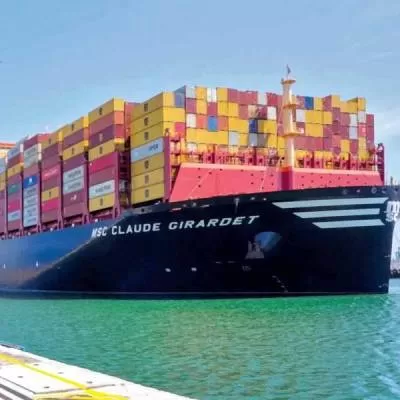
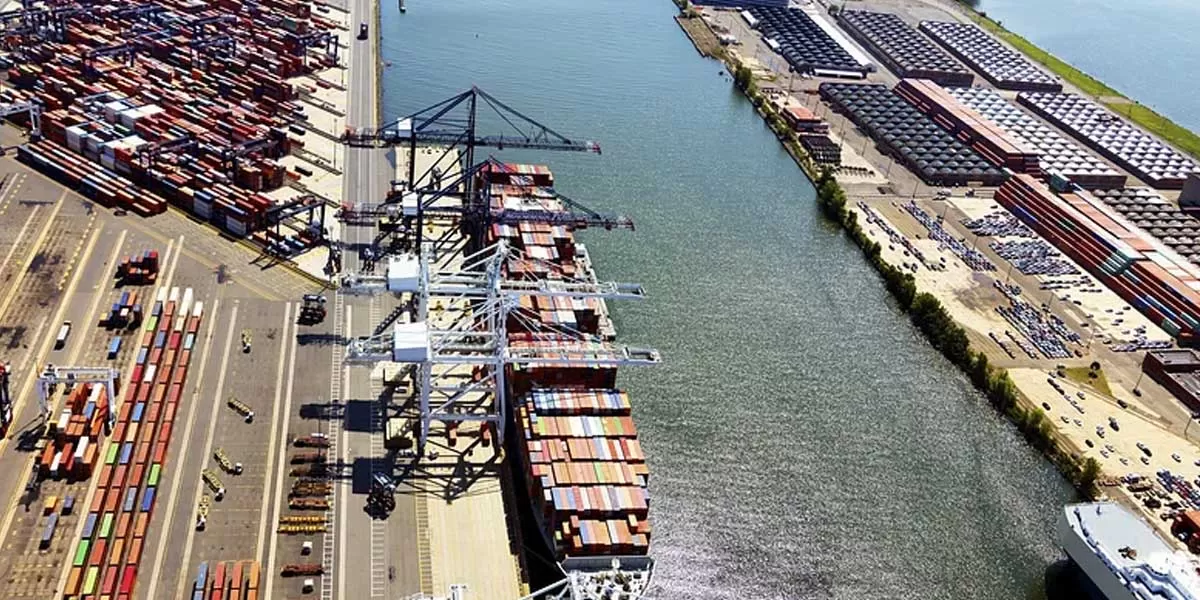
The Major Port Workers' Union has decided to defer their planned strike action after reaching a wage settlement agreement with port authorities. This development comes as a significant relief to port operations, ensuring that there will be no disruptions in cargo handling and related activities.

Wage Settlement Agreement: After extensive negotiations, the union and port authorities have agreed on a new wage settlement. The agreement addresses the workers' demands for better wages and working conditions, paving the way for the suspension of the strike.

Deferment of Strike: The union's decision to defer the strike demonstrates a positive outcome of the negotiations. By reaching an understanding on wage issues, both parties have avoided potential disruptions in port activities, which could have affected global trade and logistics.

Impact on Port Operations: The agreement is expected to maintain normal operations at major ports, which are crucial for international trade. The deferral of the strike will help ensure that cargo handling, shipping, and other port-related services continue without interruption.

Labor Relations: This development highlights the importance of effective communication and negotiation between labor unions and employers. The successful resolution of wage disputes reflects a commitment to improving labor relations and ensuring fair compensation for workers.

Future Implications: The wage settlement may set a precedent for future negotiations in the sector, emphasizing the need for ongoing dialogue and agreements that address workers' concerns while balancing operational needs.

The deferment of the strike by the Major Port Workers' Union underscores the importance of resolving industrial disputes through negotiation and mutual understanding, ensuring the smooth functioning of critical infrastructure.

The Major Port Workers' Union has decided to defer their planned strike action after reaching a wage settlement agreement with port authorities. This development comes as a significant relief to port operations, ensuring that there will be no disruptions in cargo handling and related activities. Wage Settlement Agreement: After extensive negotiations, the union and port authorities have agreed on a new wage settlement. The agreement addresses the workers' demands for better wages and working conditions, paving the way for the suspension of the strike. Deferment of Strike: The union's decision to defer the strike demonstrates a positive outcome of the negotiations. By reaching an understanding on wage issues, both parties have avoided potential disruptions in port activities, which could have affected global trade and logistics. Impact on Port Operations: The agreement is expected to maintain normal operations at major ports, which are crucial for international trade. The deferral of the strike will help ensure that cargo handling, shipping, and other port-related services continue without interruption. Labor Relations: This development highlights the importance of effective communication and negotiation between labor unions and employers. The successful resolution of wage disputes reflects a commitment to improving labor relations and ensuring fair compensation for workers. Future Implications: The wage settlement may set a precedent for future negotiations in the sector, emphasizing the need for ongoing dialogue and agreements that address workers' concerns while balancing operational needs. The deferment of the strike by the Major Port Workers' Union underscores the importance of resolving industrial disputes through negotiation and mutual understanding, ensuring the smooth functioning of critical infrastructure.

Next Story
Infrastructure Urban

Rosatom Delivers Nuclear Fuel for Kudankulam Unit 3

Rosatom has recently supplied nuclear fuel for the initial loading of the VVER-1000 reactor core at Unit 3 of the Kudankulam Nuclear Power Plant, marking a key milestone in the second stage of the Russian-designed nuclear power project in southern India.The fuel was supplied by Rosatom’s Nuclear Fuel Division, managed by TVEL, and manufactured at the Novosibirsk Chemical Concentrates Plant. The delivery includes the initial reactor load along with reserve fuel assemblies and is part of a long-term contract covering the entire operational life of Units 3 and 4.Building on operational experien..

Next Story
Infrastructure Transport

CBL International Enables First LNG Bunkering at Xiaomo Port

CBL International recently completed the first-ever LNG bunkering operation at Xiaomo Port, supplying liquefied natural gas to vessels operated by BYD in support of its maritime decarbonisation strategy. The operation was facilitated through a physical supplier in collaboration with China National Offshore Oil Corporation (CNOOC), which supported the port’s inaugural LNG bunkering activity. The milestone represents a strategic expansion of CBL International's sustainable fuel offerings beyond biofuels, while also diversifying revenue streams. As global shipping intensifies efforts to cut em..

Next Story
Infrastructure Urban

Aimtron, Aurassure Partner for IoT Weather Systems

Aimtron Electronics has recently entered into an OEM manufacturing engagement with Aurassure to produce new-age, IoT-enabled weather and environmental monitoring systems in India. The collaboration supports the growing demand for real-time environmental intelligence across urban, industrial and infrastructure applications. The engagement comes as global focus on climate-risk management and data-driven planning accelerates. The global weather monitoring systems market, valued at around USD 2.1 billion in 2024, is projected to reach nearly USD 4.8 billion by 2034, driven by the rapid adoption o..

Advertisement

Subscribe to Our Newsletter

Get daily newsletters around different themes from Construction world.

STAY CONNECTED

Advertisement

Advertisement

Advertisement

Advertisement

Open In App