


Red Sea Shipping Pause Raises Costs
PORTS & SHIPPING

Red Sea Shipping Pause Raises Costs

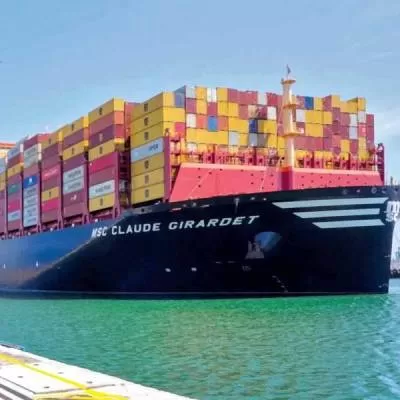
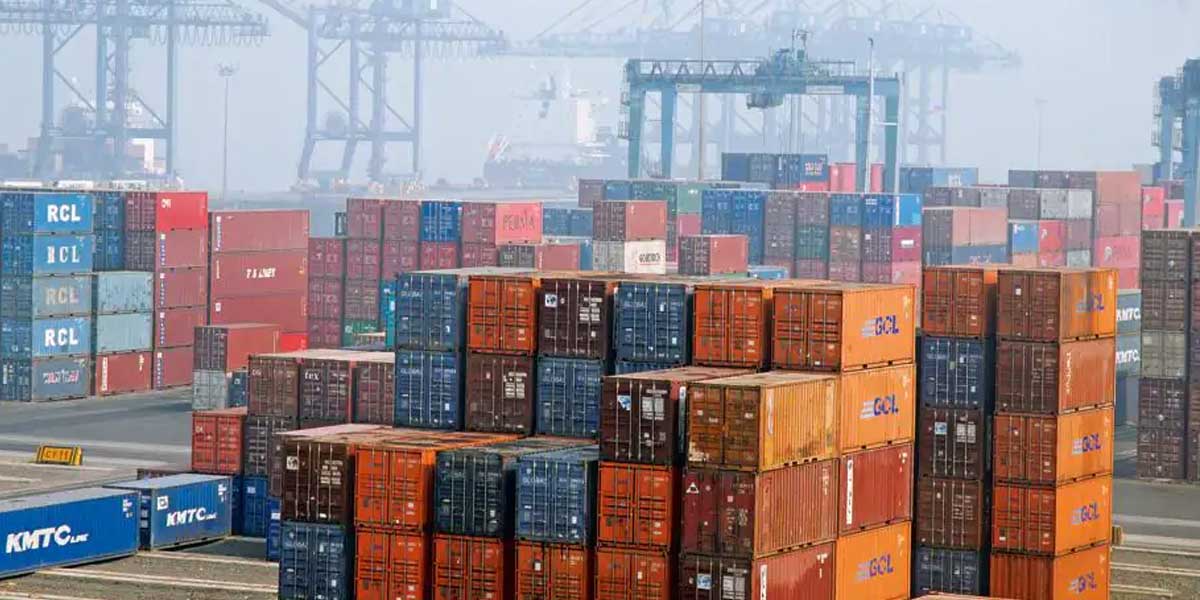
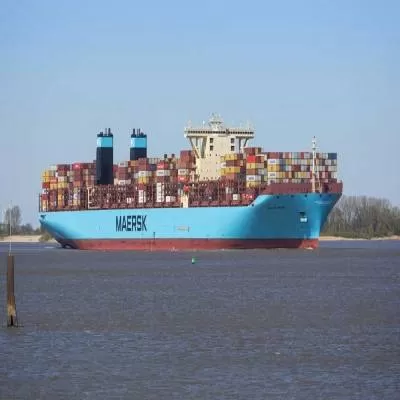
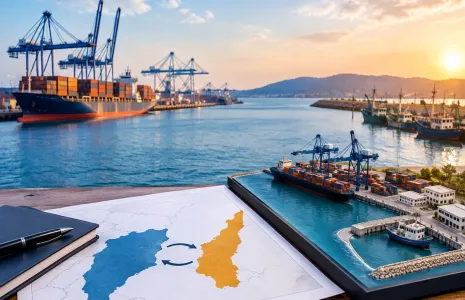
The recent interruption in shipping operations in the Red Sea has led to a significant 30 per cent increase in costs and a two-week delay, impacting the global shipping industry. The pause, attributed to geopolitical concerns, has disrupted supply chains and raised challenges for businesses reliant on timely transportation.

The surge in costs is primarily due to the rerouting of vessels and the extended travel distances caused by the temporary halt in Red Sea shipping. This has resulted in increased fuel expenses, longer voyage durations, and additional operational costs for shipping companies.

The two-week delay compounds the challenges faced by industries dependent on timely shipments, affecting inventory management and production schedules. The incident underscores the vulnerability of global supply chains to geopolitical disruptions and highlights the need for contingency planning within the shipping sector.

As the industry navigates through the consequences of the Red Sea shipping pause, there is a heightened awareness of the importance of diversification and risk mitigation strategies. The incident serves as a reminder for businesses to reassess their supply chain resilience and explore alternative routes to minimize the impact of geopolitical events on global trade.

Efforts to address the disruptions caused by the shipping pause are underway, emphasising the collaborative approach required to manage challenges in the dynamic and interconnected world of international shipping.

The recent interruption in shipping operations in the Red Sea has led to a significant 30 per cent increase in costs and a two-week delay, impacting the global shipping industry. The pause, attributed to geopolitical concerns, has disrupted supply chains and raised challenges for businesses reliant on timely transportation. The surge in costs is primarily due to the rerouting of vessels and the extended travel distances caused by the temporary halt in Red Sea shipping. This has resulted in increased fuel expenses, longer voyage durations, and additional operational costs for shipping companies. The two-week delay compounds the challenges faced by industries dependent on timely shipments, affecting inventory management and production schedules. The incident underscores the vulnerability of global supply chains to geopolitical disruptions and highlights the need for contingency planning within the shipping sector. As the industry navigates through the consequences of the Red Sea shipping pause, there is a heightened awareness of the importance of diversification and risk mitigation strategies. The incident serves as a reminder for businesses to reassess their supply chain resilience and explore alternative routes to minimize the impact of geopolitical events on global trade. Efforts to address the disruptions caused by the shipping pause are underway, emphasising the collaborative approach required to manage challenges in the dynamic and interconnected world of international shipping.

Next Story
Building Material

Suraj Estate Wins Euromoney Award for India’s Best Residential Developer

"Suraj Estate Developers Limited has received the Euromoney Real Estate Award 2025 for ‘India’s Best Residential Developer’, positioning the company among globally benchmarked leaders in the sector. The recognition reflects its four-decade legacy in delivering high-quality residential and redevelopment-led projects across South Central Mumbai. The Euromoney Real Estate Awards, presented by the London-based Euromoney magazine, are widely regarded as one of the most credible global assessments of performance in real estate, banking and finance. Winners are selected through surveys of inte..

Next Story
Building Material

Lloyds Metals, Tata Steel Sign MoU to Explore Strategic Collaboration

"Lloyds Metals and Energy Limited has signed a non-binding Memorandum of Understanding with Tata Steel Limited to evaluate potential areas of strategic cooperation across mining, logistics, pelletisation and steelmaking. The MoU was signed by B Prabhakaran, Managing Director of Lloyds Metals, and Mr T V Narendran, CEO and Managing Director of Tata Steel. The partnership framework aims to leverage the natural operational synergies between both companies and assess opportunities in greenfield steel projects, iron ore mining, slurry pipeline infrastructure, pellet manufacturing in iron ore–ric..

Next Story
Building Material

IndiaAI, Gujarat Govt Host Regional Conclave Ahead of 2026 AI Summit

The IndiaAI Mission under the Ministry of Electronics and Information Technology, along with the Government of Gujarat and IIT Gandhinagar, convened a Regional Pre-Summit Event at Mahatma Mandir, Gandhinagar. The initiative is part of the build-up to the India–AI Impact Summit 2026, scheduled for 15–20 February 2026 at Bharat Mandapam, New Delhi. The conclave brought together senior policymakers, technology leaders, researchers and industry practitioners to examine how AI can accelerate economic, digital and social transformation across sectors. The programme focused on the overarching th..

Advertisement

Subscribe to Our Newsletter

Get daily newsletters around different themes from Construction world.

STAY CONNECTED

Advertisement

Advertisement

Advertisement

Advertisement

Open In App