



Rs.2 Tn  Dedicated Freight Corridors Progressing
PORTS & SHIPPING

Rs.2 Tn Dedicated Freight Corridors Progressing

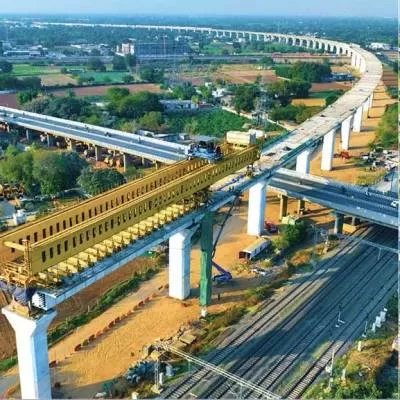
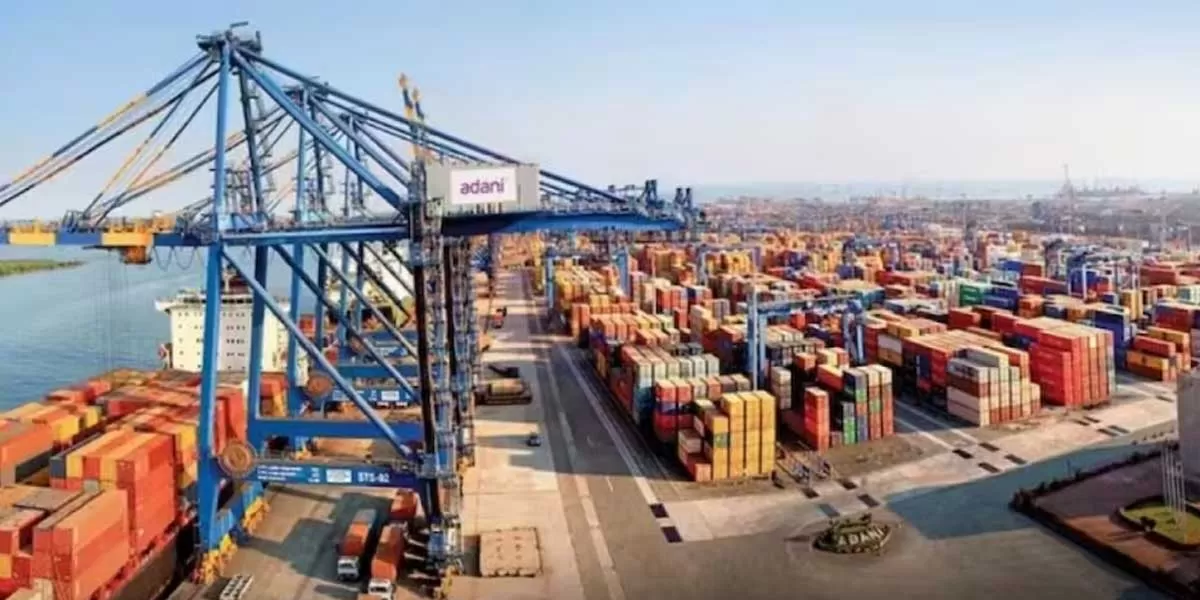
The ambitious project of constructing dedicated freight corridors (DFCs) worth ?2 trillion is progressing as planned, according to recent updates. These corridors aim to revolutionise India's logistics sector by facilitating faster and more efficient movement of goods across the country.

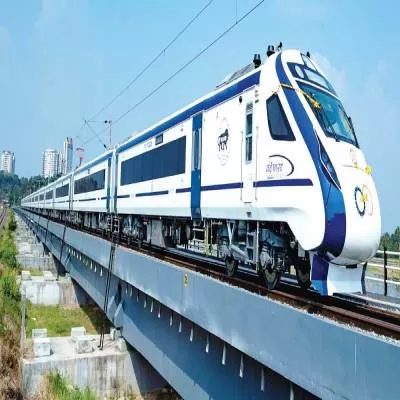
The Dedicated Freight Corridor Corporation of India Limited (DFCCIL) is overseeing the development of these corridors, which are designed to alleviate congestion on existing railway tracks and enhance freight transportation capacity. The corridors will feature state-of-the-art infrastructure, including electrified double-track lines and modern signalling systems, to ensure seamless movement of freight trains.

One of the key objectives of the dedicated freight corridors is to reduce logistics costs and transit times for businesses, thereby boosting the competitiveness of Indian industries. By providing dedicated pathways for freight trains, the corridors will enable faster and more reliable transportation of goods, leading to improved supply chain efficiency and cost savings for businesses.

The progress of the dedicated freight corridors is significant for India's economic development, as efficient logistics infrastructure is crucial for supporting industrial growth and trade expansion. The corridors are expected to unlock new opportunities for industries, particularly in sectors such as manufacturing, agriculture, and e-commerce, by facilitating smoother movement of raw materials and finished goods.

Overall, the timely progress of the dedicated freight corridors project underscores the government's commitment to modernising India's transportation infrastructure and promoting economic growth. As these corridors near completion, they are poised to transform the logistics landscape and catalyse the country's journey towards becoming a global manufacturing and trading hub.

The ambitious project of constructing dedicated freight corridors (DFCs) worth ?2 trillion is progressing as planned, according to recent updates. These corridors aim to revolutionise India's logistics sector by facilitating faster and more efficient movement of goods across the country. The Dedicated Freight Corridor Corporation of India Limited (DFCCIL) is overseeing the development of these corridors, which are designed to alleviate congestion on existing railway tracks and enhance freight transportation capacity. The corridors will feature state-of-the-art infrastructure, including electrified double-track lines and modern signalling systems, to ensure seamless movement of freight trains. One of the key objectives of the dedicated freight corridors is to reduce logistics costs and transit times for businesses, thereby boosting the competitiveness of Indian industries. By providing dedicated pathways for freight trains, the corridors will enable faster and more reliable transportation of goods, leading to improved supply chain efficiency and cost savings for businesses. The progress of the dedicated freight corridors is significant for India's economic development, as efficient logistics infrastructure is crucial for supporting industrial growth and trade expansion. The corridors are expected to unlock new opportunities for industries, particularly in sectors such as manufacturing, agriculture, and e-commerce, by facilitating smoother movement of raw materials and finished goods. Overall, the timely progress of the dedicated freight corridors project underscores the government's commitment to modernising India's transportation infrastructure and promoting economic growth. As these corridors near completion, they are poised to transform the logistics landscape and catalyse the country's journey towards becoming a global manufacturing and trading hub.

Next Story
Infrastructure Transport

MMRDA advances 250 m on Orange Gate–Marine Drive tunnel

The Mumbai Metropolitan Region Development Authority (MMRDA) has completed 250 m of underground tunnelling for the Orange Gate–Marine Drive Urban Road Tunnel using India’s largest slurry shield tunnel boring machine (TBM) deployed for an urban road project.The project involves twin tunnels extending over 7 km beneath critical transport corridors, including Central Railway, Western Railway and Metro Line 3. The work requires high-precision engineering to navigate densely developed urban infrastructure.Once completed, the tunnel is expected to reduce travel time between Orange Gate and Marin..

Next Story
Infrastructure Urban

Hindustan Zinc Pays Rs 188.46 Billion in FY26

Hindustan Zinc contributed Rs 188.46 billion to the public exchequer in FY 2025-26, according to its 9th Tax Transparency Report. The contribution, equivalent to 46 per cent of the company’s revenue, included direct and indirect taxes, government royalties, dividends to the Government of India, withholding taxes and other statutory levies.The company’s five-year cumulative contribution to the exchequer stood at Rs 915.72 billion. In FY26, Hindustan Zinc reported revenue of Rs 408.44 billion, EBITDA of Rs 221.62 billion and profit after tax of Rs 138.32 billion. It also achieved its highest..

Next Story
Infrastructure Urban

World of Concrete India 2026 Opens in Mumbai

Informa Markets in India will host the 12th edition of World of Concrete India 2026 from 3–5 June 2026 at the Bombay Exhibition Centre, Mumbai. The specialised B2B exhibition will bring together manufacturers, suppliers, contractors, developers, architects, consultants, infrastructure companies, project leaders and government stakeholders.The event is expected to feature over 350 brands and more than 18,000 trade professionals. It will cover concrete and cement, dry mortar, precast technologies, formwork, construction chemicals, industrial and commercial flooring, scaffolding, safety solutio..

Advertisement

Subscribe to Our Newsletter

Get daily newsletters around different themes from Construction world.

STAY CONNECTED

Advertisement

Advertisement

Advertisement