
+
Samsung Heavy Enters India via Swan Defence Tie-Up
PORTS & SHIPPING

Samsung Heavy Enters India via Swan Defence Tie-Up

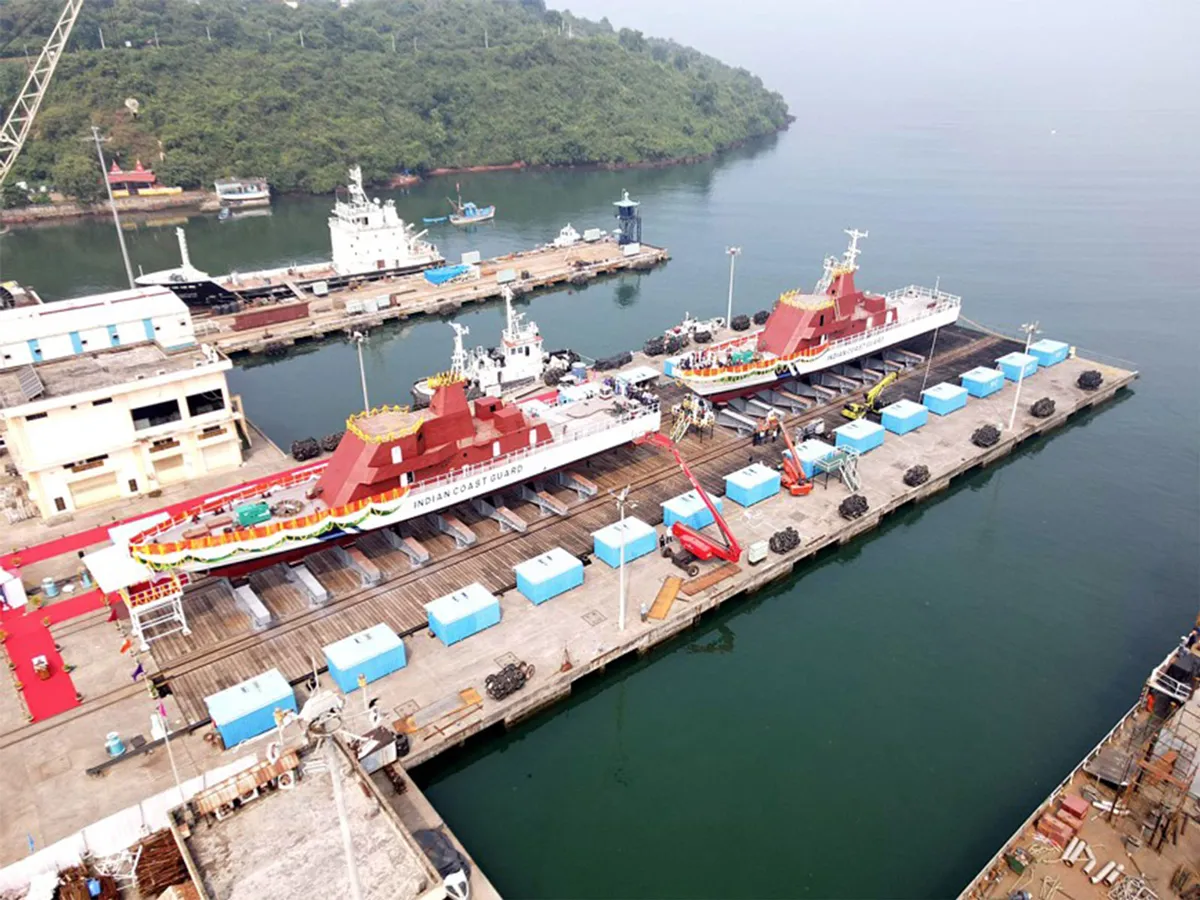
Samsung Heavy Industries, the South Korean shipbuilder, on Monday announced its entry into India’s shipbuilding sector through a partnership with Swan Defence and Heavy Industries (SDHI) in Gujarat. The move strengthens its participation in India’s state-led push to expand domestic shipbuilding.
Under the agreement, the two companies will explore collaboration across a broad range of maritime projects, including engineering, procurement and management in shipbuilding. SDHI, India’s largest shipyard, accounts for 30 per cent of the country’s shipbuilding capacity and operates its largest dry dock, capable of constructing very large crude carriers and other facilities.
Samsung Heavy plans to gradually expand local operations, using SDHI’s shipyard as a base to tap India’s growing maritime logistics sector. According to Grand View Research, the Indian shipping industry is projected to grow at a compound annual rate of 6.4 per cent between 2025 and 2030.
“This collaboration blends technological expertise with strong market presence, making it a model partnership that delivers mutual benefits,” said Namgung Geum-sung, Vice President of Samsung Heavy Industries. “Samsung Heavy Industries will continue to seize new opportunities to drive growth in the future.”
India aims to become one of the world’s top five shipbuilding nations by 2047 and secure 1,000 commercial vessels within the next decade. The government has engaged Korean shipbuilders to produce ships locally and is introducing incentives. In its 2025 budget, it proposed a USD 3 billion Maritime Development Fund to support long-term financing for shipbuilding, repair and maritime infrastructure.
In December, senior officials from the Ministry of Ports, Shipping and Waterways visited leading Korean shipyards, including Samsung’s Geoje facility, to advance collaboration. 

Samsung Heavy Industries, the South Korean shipbuilder, on Monday announced its entry into India’s shipbuilding sector through a partnership with Swan Defence and Heavy Industries (SDHI) in Gujarat. The move strengthens its participation in India’s state-led push to expand domestic shipbuilding.Under the agreement, the two companies will explore collaboration across a broad range of maritime projects, including engineering, procurement and management in shipbuilding. SDHI, India’s largest shipyard, accounts for 30 per cent of the country’s shipbuilding capacity and operates its largest dry dock, capable of constructing very large crude carriers and other facilities.Samsung Heavy plans to gradually expand local operations, using SDHI’s shipyard as a base to tap India’s growing maritime logistics sector. According to Grand View Research, the Indian shipping industry is projected to grow at a compound annual rate of 6.4 per cent between 2025 and 2030.“This collaboration blends technological expertise with strong market presence, making it a model partnership that delivers mutual benefits,” said Namgung Geum-sung, Vice President of Samsung Heavy Industries. “Samsung Heavy Industries will continue to seize new opportunities to drive growth in the future.”India aims to become one of the world’s top five shipbuilding nations by 2047 and secure 1,000 commercial vessels within the next decade. The government has engaged Korean shipbuilders to produce ships locally and is introducing incentives. In its 2025 budget, it proposed a USD 3 billion Maritime Development Fund to support long-term financing for shipbuilding, repair and maritime infrastructure.In December, senior officials from the Ministry of Ports, Shipping and Waterways visited leading Korean shipyards, including Samsung’s Geoje facility, to advance collaboration. 

Related Stories

Gold Stories
Next Story
Infrastructure Transport

Mumbai-Ahmedabad Bullet Train’s Surat-Vapi Section Set for 2027

The first section of the Mumbai-Ahmedabad Bullet Train corridor, linking Surat and Vapi, is targeted to begin services in 2027. Construction is expected to be completed by December 2026, while Railway Minister Ashwini Vaishnaw has indicated that an inauguration could take place around the middle of 2027. The National High Speed Rail Corporation (NHSRCL) said the train being manufactured in India is expected to reach the tracks around April or May 2027. The train will undergo extensive testing before the section is opened for passenger services. The project began construction in 2021 and includ..

Next Story
Infrastructure Transport

Indian Railways Approves Four Projects Worth Rs. 7.36 bn Across Four States

Indian Railways has approved four projects with a combined value of Rs. 7.36 bn across Uttar Pradesh, Maharashtra, Andhra Pradesh and Gujarat. The programme covers train protection, signalling, electric traction supply and a road overbridge, with each project assigned to a different railway zone. In Uttar Pradesh, Rs. 2.52 bn has been approved to extend the Kavach 4.0 automatic train protection system across 607.7 km in the Lucknow Division of North Eastern Railway. The system monitors train movements and can apply the brakes if a driver fails to observe a signal or exceeds a safe speed. The w..

Next Story
Infrastructure Urban

Chandru Raheja Sells 1.49% Stake in Mindspace REIT for Rs. 5 bn

Billionaire Chandru Lachmandas Raheja has sold a 1.49 per cent holding in Mindspace Business Parks REIT for Rs. 5 bn through a bulk deal on the BSE. The transaction involved 9.9 mn units and was executed at an average price of Rs. 505 per unit, according to exchange data. Following the sale, units of Mindspace Business Parks REIT were trading 0.18 per cent lower at Rs. 504.05 on Tuesday. Exchange data did not identify the buyers involved in the transaction. Raheja is the chairman of real estate company K Raheja Corp. The sale involved 99,00,990 units, representing 1.49 per cent of the Mumbai-b..

Advertisement

Subscribe to Our Newsletter

Get daily newsletters around different themes from Construction world.

STAY CONNECTED

Advertisement

SPECIAL OFFER
QR Code