+
Vizag port comes out as India's top seafood exporting harbour
PORTS & SHIPPING

Vizag port comes out as India's top seafood exporting harbour

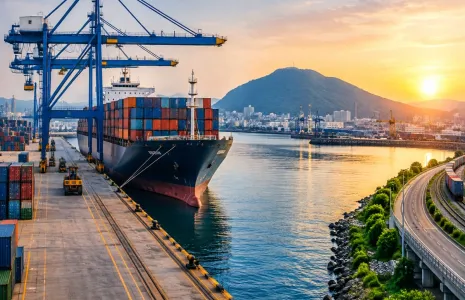
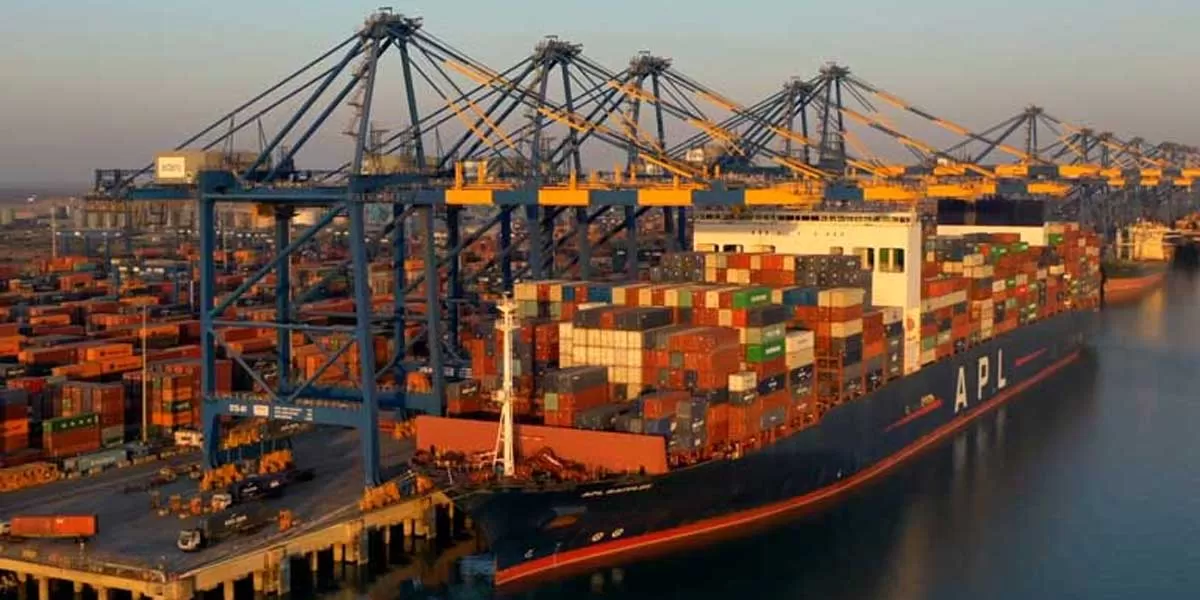
Visakhapatnam Port has emerged as the primary gateway for seafood exports in India, surpassing all other ports in fiscal 2023-24. According to a spokesperson from the Visakhapatnam Port Authority (VPA), the port handled an impressive shipment of 314,000 tonnes of seafood valued at Rs 179.84 billion during this period. This achievement solidifies Visakhapatnam Port's position as the leading hub for marine product shipments in the country.

In comparison, Mumbai-based Jawaharlal Nehru Port Authority (JNPA) managed over 2.040,000 tonnes of seafood valued at Rs 63.96 billion, securing the second position, while Cochin Port followed closely in third place with over 181,000 tonnes valued at Rs 61.20 billion.

"This fiscal year, Visakhapatnam Port has established itself as India's premier port for seafood exports, handling an unprecedented volume that underscores its pivotal role in the nation's seafood industry," stated VPA secretary T Venu Gopal in a press release.

The robust performance of Visakhapatnam Port is attributed to several factors, including Andhra Pradesh's thriving aquaculture sector, particularly in the production of 'vannamei' shrimp variety, which has significantly bolstered exports. Additionally, seafood exports from Odisha through the port have also contributed to its exceptional performance.

Despite global challenges in overseas demand, India achieved a record-high seafood export of nearly 1.8 million tonnes worth Rs 605.34 billion in the previous fiscal year. This remarkable feat highlights the resilience and competitiveness of India's seafood industry, with exports reaching 132 countries, prominently led by the US and China as major importers. Frozen shrimp remains the most exported commodity from the country.

Venu Gopal highlighted Visakhapatnam Port's strategic importance and operational efficiency in managing substantial volumes of seafood exports, reinforcing its critical role in supporting the growth trajectory of India's seafood sector.

(Source: ET)

Visakhapatnam Port has emerged as the primary gateway for seafood exports in India, surpassing all other ports in fiscal 2023-24. According to a spokesperson from the Visakhapatnam Port Authority (VPA), the port handled an impressive shipment of 314,000 tonnes of seafood valued at Rs 179.84 billion during this period. This achievement solidifies Visakhapatnam Port's position as the leading hub for marine product shipments in the country. In comparison, Mumbai-based Jawaharlal Nehru Port Authority (JNPA) managed over 2.040,000 tonnes of seafood valued at Rs 63.96 billion, securing the second position, while Cochin Port followed closely in third place with over 181,000 tonnes valued at Rs 61.20 billion. This fiscal year, Visakhapatnam Port has established itself as India's premier port for seafood exports, handling an unprecedented volume that underscores its pivotal role in the nation's seafood industry, stated VPA secretary T Venu Gopal in a press release. The robust performance of Visakhapatnam Port is attributed to several factors, including Andhra Pradesh's thriving aquaculture sector, particularly in the production of 'vannamei' shrimp variety, which has significantly bolstered exports. Additionally, seafood exports from Odisha through the port have also contributed to its exceptional performance. Despite global challenges in overseas demand, India achieved a record-high seafood export of nearly 1.8 million tonnes worth Rs 605.34 billion in the previous fiscal year. This remarkable feat highlights the resilience and competitiveness of India's seafood industry, with exports reaching 132 countries, prominently led by the US and China as major importers. Frozen shrimp remains the most exported commodity from the country. Venu Gopal highlighted Visakhapatnam Port's strategic importance and operational efficiency in managing substantial volumes of seafood exports, reinforcing its critical role in supporting the growth trajectory of India's seafood sector. (Source: ET)

Related Stories

Gold Stories

Next Story
Real Estate

Kamdhenu Realities acquires 4-acre Navi Mumbai land parcel

Kamdhenu Realities has acquired a 4-acre land parcel from RPG Life Sciences on Thane-Belapur Road for approximately Rs 1.5 billion, expanding its commercial real estate portfolio in Navi Mumbai.The parcel has a total developable potential of 1.8 million sq ft, on which Kamdhenu plans to develop a destination-scale commercial and lifestyle ecosystem. The proposed development will combine corporate office suites with high-street retail, F&B outlets, double-height lobbies, business infrastructure and lifestyle amenities.Located close to IKEA and opposite the upcoming Pawane Railway Station, t..

Next Story
Infrastructure Transport

97 Per Cent Of Rongjeng-Mangsang-Adokgre Road Nears Completion

Deputy Chief Minister in-charge of public works Prestone Tynsong said in Shillong on 26 August that 97 per cent physical progress had been achieved on the ongoing Rongjeng-Mangsang-Adokgre road being constructed under the Non-Lapsable Central Pool of Resources (NLCPR). He noted the project was sanctioned in 2017 and that the stipulated time for completion had been 24 months from issue of the final work order. The deputy chief minister informed the assembly that the government had decided to include the remaining work under a World Bank project. In reply to a query from Rongjeng MLA Jim M Sangm..

Next Story
Infrastructure Transport

First TBM Starts Digging Five Point Three Kilometre Tunnel Under SGNP

The Goregaon-Mulund Link Road (GMLR) Phase three (B) project has reached a key milestone as the first tunnel boring machine (TBM) began excavation of the first of two tunnels beneath the Sanjay Gandhi National Park (SGNP). The machine, named Tulsi, started cutting a five point three kilometre bore that will link Dadasaheb Phalke Chitranagari in Goregaon East with Amar Nagar in Mulund West. Officials issued a statement noting the commencement of tunnelling work under the protected green belt. The twin tunnels are being constructed using mechanised tunnelling methods that aim to limit surface di..

Advertisement

Subscribe to Our Newsletter

Get daily newsletters around different themes from Construction world.

STAY CONNECTED

Advertisement

SPECIAL OFFER
QR Code