Vizhinjam Port to launch Phase 2 expansion from mid-January
PORTS & SHIPPING

Vizhinjam Port to launch Phase 2 expansion from mid-January

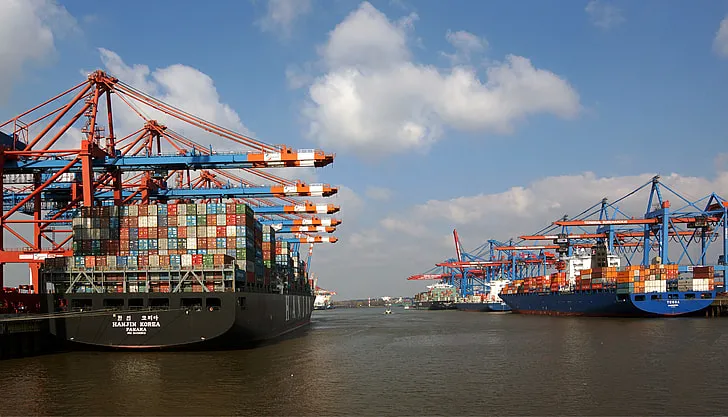
The second phase of expansion at Vizhinjam International Port is set to begin in the second week of January, marking a major milestone in the port’s rapid scale-up as a global transshipment hub. Kerala Ports Minister V N Vasavan announced the development following a review meeting, adding that the exact start date will be finalised after consultations with Chief Minister Pinarayi Vijayan and the Adani Group.

Preparatory work for the upcoming construction phases has already been completed. The expansion is part of a Rs 10,000-crore investment by Adani Ports and Special Economic Zone Ltd. (APSEZ), aimed at significantly enhancing the port’s infrastructure and operational capability. Under Phase 2, the existing 800-metre berth will be extended by 1,200 metres to create a 2,000-metre continuous berth, enabling multiple ultra-large container vessels to be handled simultaneously.

The port’s 2.96-km breakwater will also be lengthened by 920 metres, taking its total length to over 3.9 km. As per the revised contract, Phases II to IV must be completed by 2028, a sharp acceleration from the earlier deadline of 2045.

The minister said the temporary approach road has been completed and will be inaugurated in January, allowing road-based cargo movement. Vizhinjam has also received Inland Container Port/Depot (ICP) status, alongside select ports in Gujarat and Kolkata, opening avenues for logistics-led development and new tourism facilities in collaboration with the tourism department.

To support cruise tourism, 50 hectares of land will be acquired for yard development, customs and security infrastructure, while dredging will be carried out directly from the sea. Plans are also in place for railway connectivity through a 10.7-km line, including a 9.2-km tunnel. Road connectivity to the national highway, including a cloverleaf interchange, has already been approved.

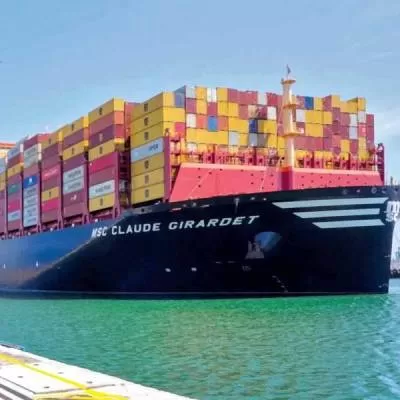
Vizhinjam recently completed its first year of commercial operations, handling nearly 1.4 million containers and emerging as India’s first port to receive over 40 ultra-large container ships of 399 metres in length, underlining its growing global significance.

News source: The New Indian Express

The second phase of expansion at Vizhinjam International Port is set to begin in the second week of January, marking a major milestone in the port’s rapid scale-up as a global transshipment hub. Kerala Ports Minister V N Vasavan announced the development following a review meeting, adding that the exact start date will be finalised after consultations with Chief Minister Pinarayi Vijayan and the Adani Group.Preparatory work for the upcoming construction phases has already been completed. The expansion is part of a Rs 10,000-crore investment by Adani Ports and Special Economic Zone Ltd. (APSEZ), aimed at significantly enhancing the port’s infrastructure and operational capability. Under Phase 2, the existing 800-metre berth will be extended by 1,200 metres to create a 2,000-metre continuous berth, enabling multiple ultra-large container vessels to be handled simultaneously.The port’s 2.96-km breakwater will also be lengthened by 920 metres, taking its total length to over 3.9 km. As per the revised contract, Phases II to IV must be completed by 2028, a sharp acceleration from the earlier deadline of 2045.The minister said the temporary approach road has been completed and will be inaugurated in January, allowing road-based cargo movement. Vizhinjam has also received Inland Container Port/Depot (ICP) status, alongside select ports in Gujarat and Kolkata, opening avenues for logistics-led development and new tourism facilities in collaboration with the tourism department.To support cruise tourism, 50 hectares of land will be acquired for yard development, customs and security infrastructure, while dredging will be carried out directly from the sea. Plans are also in place for railway connectivity through a 10.7-km line, including a 9.2-km tunnel. Road connectivity to the national highway, including a cloverleaf interchange, has already been approved.Vizhinjam recently completed its first year of commercial operations, handling nearly 1.4 million containers and emerging as India’s first port to receive over 40 ultra-large container ships of 399 metres in length, underlining its growing global significance.News source: The New Indian Express

Next Story
Infrastructure Urban

Runaya–ECKART JV Launches India’s First Gas-Atomised Al Unit

Runaya Metsource and Germany-based ECKART have announced the launch of their joint venture facility, Runaya Eckart Aluminium Powders Private Limited (REL), in Jharsuguda, Odisha, marking the establishment of India’s first plant for manufacturing green, spherical gas-atomised aluminium powders.The facility will produce high-precision aluminium powders for advanced applications across aviation, aerospace, space exploration, solar technology, process catalyst industries and effect pigments. These fine spherical powders, which were previously fully imported into India, represent a significant mi..

Next Story
Infrastructure Urban

Tamil Nadu Extends 100% EV Road Tax Exemption Till 2027

The Tamil Nadu government has extended the 100% road tax exemption for battery-operated electric vehicles for another two years, reinforcing its efforts to sustain momentum in EV adoption across the state.According to a government order issued on December 29, the tax exemption has been extended for all categories of battery-operated vehicles, including both transport and non-transport vehicles, from January 1, 2026, to December 31, 2027. The move ensures continuity of fiscal incentives as electric vehicle penetration continues to rise in the state.The decision follows sustained representations..

Next Story
Infrastructure Energy

Coal India Arm BCCL Targets 54 MT Output, Rs 200 Bn by FY30

Bharat Coking Coal (BCCL), a subsidiary of Coal India, plans to scale up its coking coal production to 54 million tonnes by FY 2029–30, with the bulk of incremental supplies earmarked for the steel sector. The expansion is expected to drive the company’s revenue close to Rs 200 billion by the end of the decade, senior officials said.The production push aligns with India’s broader objective of achieving a national coking coal output target of 140 million tonnes to reduce dependence on imports. BCCL currently produces around 40.5 million tonnes of coking coal and contributes nearly 58.5 pe..

Advertisement

Subscribe to Our Newsletter

Get daily newsletters around different themes from Construction world.

STAY CONNECTED

Advertisement

Advertisement

Advertisement

Advertisement

Open In App