+
India Seals Rs 50.83 bn Defence Deal For ALH Mk-III And Shtil
DEFENSE

India Seals Rs 50.83 bn Defence Deal For ALH Mk-III And Shtil

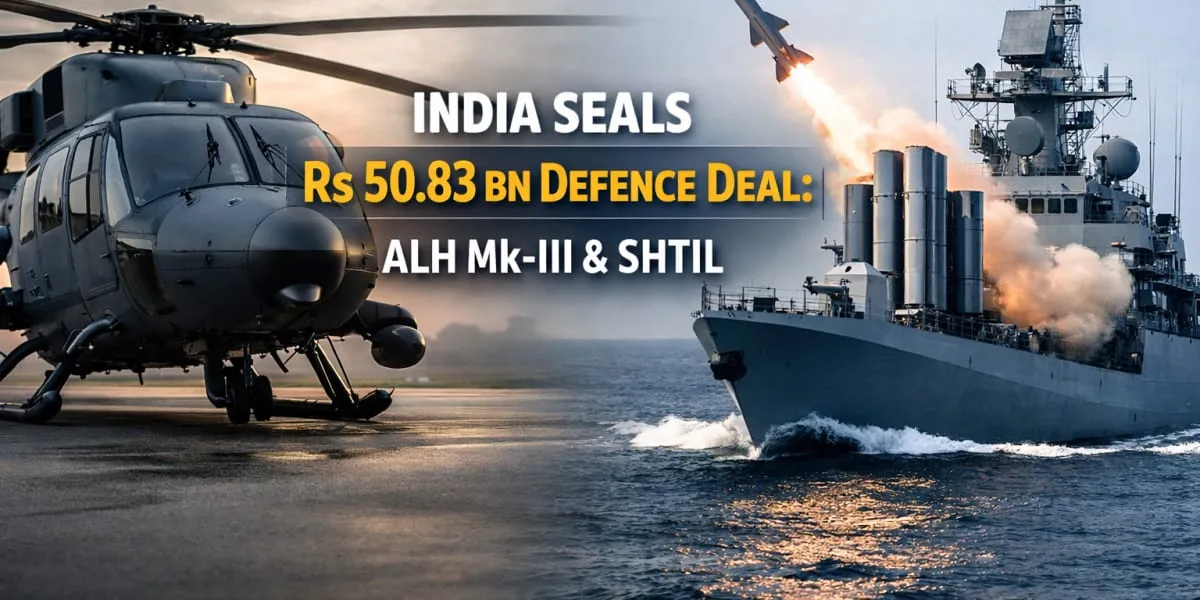
India has finalised a defence procurement valued at Rs 50.83 billion (bn) aimed at strengthening aerial and maritime capabilities. The package covers Advanced Light Helicopter Mark III and Shtil shipborne missile systems. The move reflects a continued focus on modernisation of forces and onshore maintenance capacities. The procurement is expected to support operational readiness and to stimulate maintenance and supply chain ecosystems tasked with sustaining the platforms.\n\nThe Advanced Light Helicopter Mark III is expected to enhance rotary wing operations across multiple roles including surveillance, transport and casualty evacuation. The procurement emphasises platform versatility and lifecycle sustainment as priorities for the services. Officials indicated that acquisition timelines and delivery schedules will align with operational readiness goals. Emphasis on lifecycle sustainment includes provisions for upgrades and for commonality to reduce long term support costs.\n\nThe Shtil missile component is intended to augment shipborne defensive measures against aerial threats and to improve fleet survivability. Integration work will require coordination between platform and weapon system teams and will involve adaptations to existing shipboard systems. Training and logistics provisions form part of the overall package to ensure seamless induction. Joint training programmes and interoperability testing are included to accelerate induction and to ensure cohesive operational integration.\n\nAt the stated value of Rs 50.83 bn the acquisition represents a significant capital outlay for defence modernisation while signalling procurement continuity. Analysts suggest such investments aim to balance indigenous capability development with selective imports to address capability gaps. The contract is likely to shape near term force structure decisions and sustainment planning across maritime and aerial domains. Budgetary prioritisation and oversight mechanisms are expected to govern delivery and expenditure to secure value for money over the asset life.

India has finalised a defence procurement valued at Rs 50.83 billion (bn) aimed at strengthening aerial and maritime capabilities. The package covers Advanced Light Helicopter Mark III and Shtil shipborne missile systems. The move reflects a continued focus on modernisation of forces and onshore maintenance capacities. The procurement is expected to support operational readiness and to stimulate maintenance and supply chain ecosystems tasked with sustaining the platforms.\n\nThe Advanced Light Helicopter Mark III is expected to enhance rotary wing operations across multiple roles including surveillance, transport and casualty evacuation. The procurement emphasises platform versatility and lifecycle sustainment as priorities for the services. Officials indicated that acquisition timelines and delivery schedules will align with operational readiness goals. Emphasis on lifecycle sustainment includes provisions for upgrades and for commonality to reduce long term support costs.\n\nThe Shtil missile component is intended to augment shipborne defensive measures against aerial threats and to improve fleet survivability. Integration work will require coordination between platform and weapon system teams and will involve adaptations to existing shipboard systems. Training and logistics provisions form part of the overall package to ensure seamless induction. Joint training programmes and interoperability testing are included to accelerate induction and to ensure cohesive operational integration.\n\nAt the stated value of Rs 50.83 bn the acquisition represents a significant capital outlay for defence modernisation while signalling procurement continuity. Analysts suggest such investments aim to balance indigenous capability development with selective imports to address capability gaps. The contract is likely to shape near term force structure decisions and sustainment planning across maritime and aerial domains. Budgetary prioritisation and oversight mechanisms are expected to govern delivery and expenditure to secure value for money over the asset life.

Related Stories

Gold Stories

Next Story
Infrastructure Transport

Tiruchi Airport Handles over 20 t of Domestic Cargo in a Month

Tiruchi International Airport has handled more than 20 t of inbound and outbound domestic cargo since the facility was launched in late August. Outbound shipments have exceeded inbound volumes, with private carriers transporting goods to Chennai, Delhi, Bengaluru and Mumbai. The domestic cargo service began after the Bureau of Civil Aviation Security (BCAS), an independent department under the Ministry of Civil Aviation, granted clearance. The facility was introduced to give local businesses a faster route for sending goods to major domestic hubs, reducing their reliance on cargo routed throug..

Next Story
Infrastructure Urban

Gabriel India Forms Joint Venture with Forvia for Advanced Seating

Gabriel India, part of the US$2.6 bn Anand Group, has formed a joint venture with France-based Forvia to bring advanced seating systems and technologies to the Indian automotive market. The partnership expands Gabriel India’s participation in vehicle systems as automotive architectures become more sophisticated and customer requirements evolve. The joint venture, named Faurecia Anand Seating India, combines Forvia’s global seating technology expertise with Gabriel India’s manufacturing capabilities, customer relationships and understanding of the Indian automotive market. Forvia will hol..
Next Story
Infrastructure Urban

Hical Technologies, Safran to Explore Rafale Systems Joint Venture

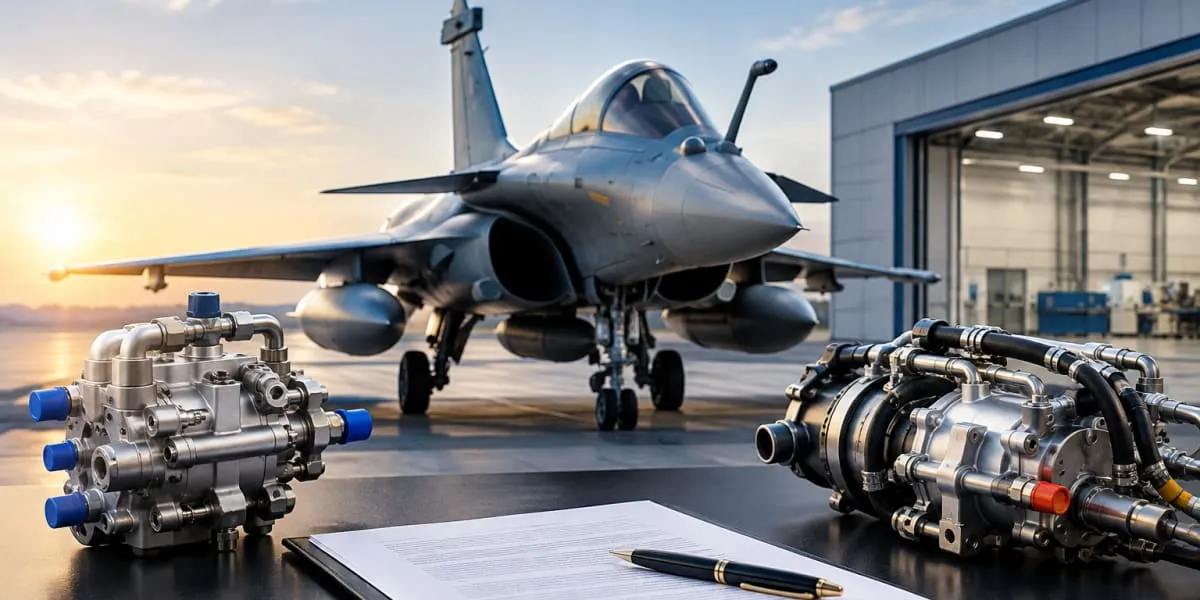
Hical Technologies has signed a Memorandum of Understanding (MoU) with Safran Aerosystems to explore establishing a joint venture for manufacturing complex systems for the Dassault Rafale programme in India. The Bengaluru-based precision electromechanical manufacturer said the proposed venture would support the production of advanced equipment for Rafale aircraft delivered under the Make in India initiative. The proposed operations would include complex fluid and fuel systems and related assemblies. The agreement is intended to expand the role of Indian industry in global aerospace and defence..

Advertisement

Subscribe to Our Newsletter

Get daily newsletters around different themes from Construction world.

STAY CONNECTED

Advertisement

SPECIAL OFFER
QR Code