Smart Cities Mission Nears Completion With 7,741 Projects Done
SMART CITIES

Smart Cities Mission Nears Completion With 7,741 Projects Done

Of the 8,064 projects sanctioned under the Smart Cities Mission, 7,741 have been completed across India, with 323 projects currently under execution, the government informed the Rajya Sabha. The completed projects represent works valued at Rs 1,553.86 billion out of the total Rs 1,648.11 billion taken up under the mission, while the remaining projects under implementation are valued at Rs 94.25 billion.

In a written reply, the Ministry of Housing and Urban Affairs said the Smart Cities Mission aims to develop 100 cities through an area-based approach covering retrofitting, redevelopment, greenfield development and pan-city smart solutions. The mission spans sectors such as mobility, water, sanitation and hygiene, governance, energy and the environment, with each project implemented against defined timelines.

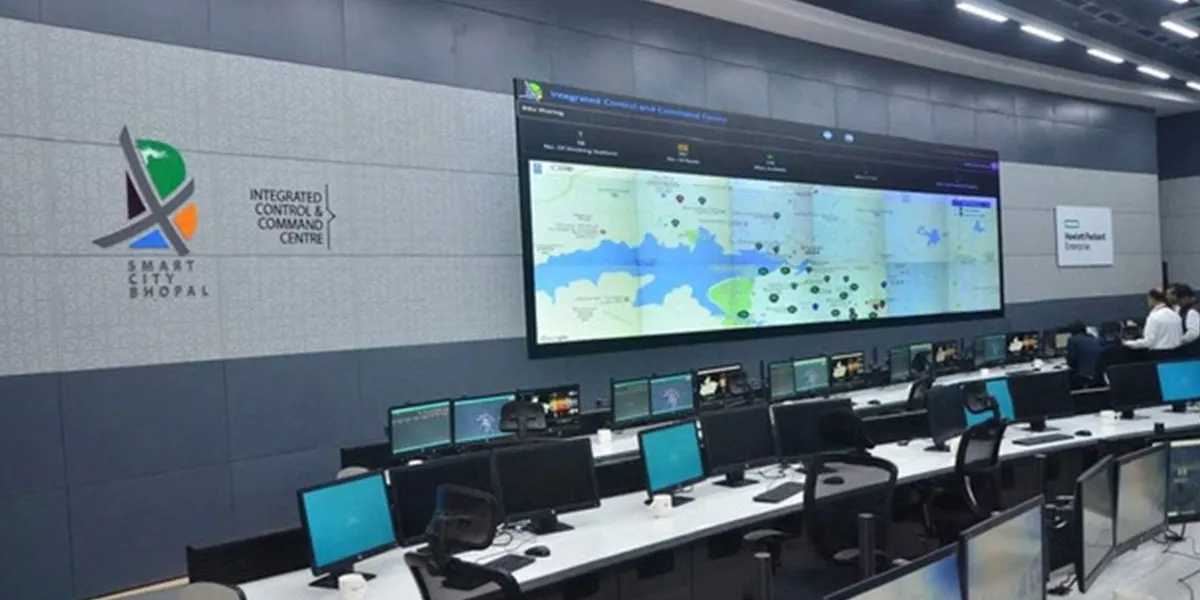
The ministry said the mission leverages information and communication technology, the Internet of Things and data-driven systems, including integrated command and control centres, smart mobility solutions, e-governance platforms, and smart water and waste management systems. These interventions are intended to improve service delivery and promote urban renewal through better roads, housing, public spaces, sustainability initiatives and citizen-centric infrastructure, resulting in safer, more efficient and liveable cities.

Government data shows that states and Union Territories have claimed central financial assistance of Rs 474.58 billion, equivalent to about ninety-nine per cent of the total central share allocated to cities under the mission. Of this amount, utilisation stands at Rs 460.93 billion, translating into nearly ninety-seven per cent utilisation of the central funds released.

According to the ministry, the Smart Cities Mission has played a key role in improving urban liveability and sustainability by integrating transport systems, strengthening core infrastructure, expanding green and public spaces, and digitising civic services to deliver more responsive, citizen-focused urban governance.

Of the 8,064 projects sanctioned under the Smart Cities Mission, 7,741 have been completed across India, with 323 projects currently under execution, the government informed the Rajya Sabha. The completed projects represent works valued at Rs 1,553.86 billion out of the total Rs 1,648.11 billion taken up under the mission, while the remaining projects under implementation are valued at Rs 94.25 billion. In a written reply, the Ministry of Housing and Urban Affairs said the Smart Cities Mission aims to develop 100 cities through an area-based approach covering retrofitting, redevelopment, greenfield development and pan-city smart solutions. The mission spans sectors such as mobility, water, sanitation and hygiene, governance, energy and the environment, with each project implemented against defined timelines. The ministry said the mission leverages information and communication technology, the Internet of Things and data-driven systems, including integrated command and control centres, smart mobility solutions, e-governance platforms, and smart water and waste management systems. These interventions are intended to improve service delivery and promote urban renewal through better roads, housing, public spaces, sustainability initiatives and citizen-centric infrastructure, resulting in safer, more efficient and liveable cities. Government data shows that states and Union Territories have claimed central financial assistance of Rs 474.58 billion, equivalent to about ninety-nine per cent of the total central share allocated to cities under the mission. Of this amount, utilisation stands at Rs 460.93 billion, translating into nearly ninety-seven per cent utilisation of the central funds released. According to the ministry, the Smart Cities Mission has played a key role in improving urban liveability and sustainability by integrating transport systems, strengthening core infrastructure, expanding green and public spaces, and digitising civic services to deliver more responsive, citizen-focused urban governance.

Next Story
Infrastructure Transport

Tripura Rail Survey Approved For Jirania–Bodhjung Link

The Ministry of Railways has approved a Final Location Survey (FLS) for a proposed new railway line between Jirania and Bodhjung Nagar in Tripura. The planned section will span 14 km and is estimated to cost around Rs 4.2 million, with the entire alignment located within West Tripura district. The approval marks a key step towards strengthening railway infrastructure and supporting industrial growth in the state. Bodhjung Nagar is Tripura’s principal industrial and commercial hub, developed mainly for resource-based industries such as rubber, bamboo and food processing. The proposed Jirania..

Next Story
Infrastructure Transport

MCF Raebareli Rolls Out Its 15,000th Passenger Coach

The Modern Coach Factory (MCF) in Raebareli, Uttar Pradesh, has reached a major production milestone with the manufacture of its 15,000th passenger coach on December 15, the Ministry of Railways said. During the current financial year 2025–26, the unit has produced a total of 1,310 coaches so far. Established in 2007 at Lalganj in Raebareli, MCF is among India’s most advanced passenger coach manufacturing facilities. Built at a cost of around Rs 31.92 billion, the factory has an installed annual capacity of 1,000 coaches and is located about 3 km from Lalganj on the Kanpur–Raebareli Roa..

Next Story
Infrastructure Transport

RVNL Wins Gandak River Rail Bridge Contract

Rail Vikas Nigam Limited (RVNL) has received a Letter of Award from North Eastern Railway for a major railway infrastructure project valued at Rs 1.65 billion. The contract relates to the construction of the substructure for a key railway bridge over the Gandak River. The bridge will be constructed between Paniyahwa and Valmikinagar stations as part of the doubling of the Gorakhpur Cantt–Valmikinagar railway section. Designed to enhance capacity and operational efficiency, the structure will comprise 14 spans of 61 metres each and will be supported by double D-type well foundations. The des..

Advertisement

Subscribe to Our Newsletter

Get daily newsletters around different themes from Construction world.

STAY CONNECTED

Advertisement

Advertisement

Advertisement

Advertisement

Open In App