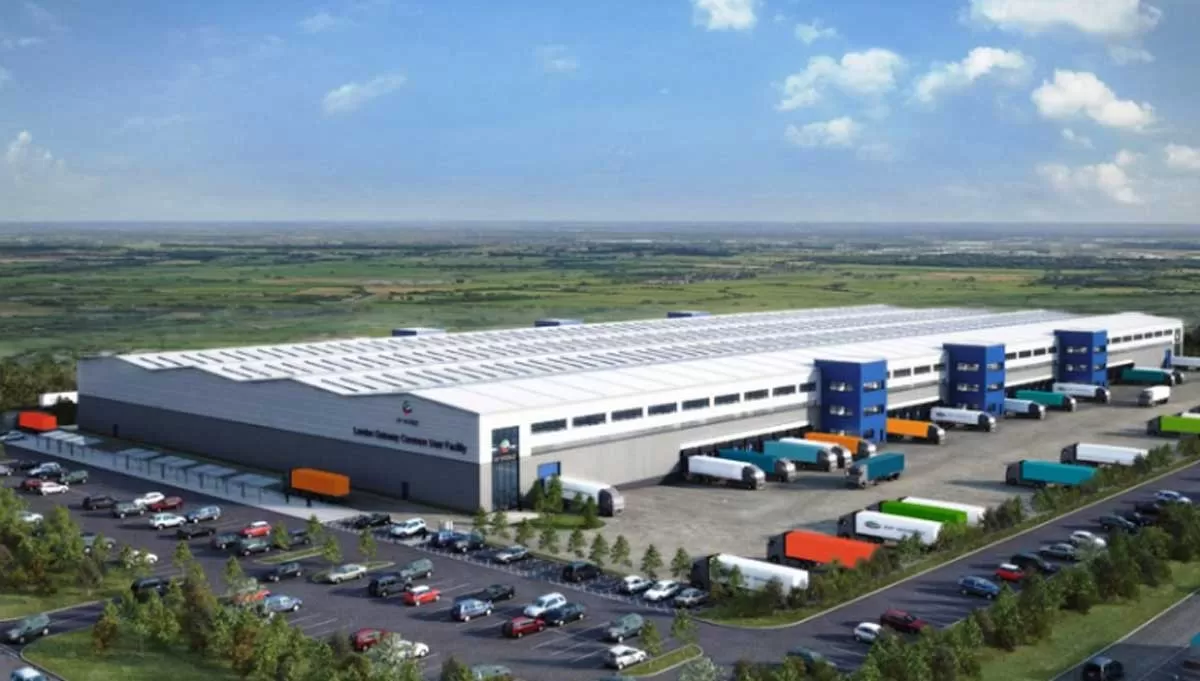
Warehouse Developers Thrive as Companies Diversify.
WAREHOUSING & LOGISTICS

Warehouse Developers Thrive as Companies Diversify.

Warehouse developers are seizing opportunities in India's logistics sector as companies worldwide seek alternatives to China for manufacturing and distribution. With global supply chains undergoing restructuring due to geopolitical tensions, rising costs, and the COVID-19 pandemic's disruptions, India has emerged as a favoured destination for businesses seeking diversification. This trend is evidenced by the increasing investments pouring into the country's logistics infrastructure.

The Indian government's initiatives such as the Make in India campaign and significant reforms to ease business operations have further bolstered confidence among investors. Foreign companies, in particular, are attracted to India's vast consumer market and strategic geographical location.

Warehouse developers are capitalising on this trend by expanding their operations across the country. They are not only building new warehouses but also upgrading existing facilities to meet international standards. These modern warehouses are equipped with advanced technologies such as automation, robotics, and IoT (Internet of Things), ensuring efficient operations and real-time tracking of inventory.

Moreover, developers are strategically locating warehouses near major transportation hubs and industrial clusters to minimise transportation costs and streamline logistics operations. This strategic approach enhances supply chain efficiency and enables faster delivery of goods to end consumers.

The demand for warehouses in India is also driven by the rapid growth of e-commerce. Online retailers require extensive warehousing infrastructure to manage inventory and fulfil orders promptly. As consumer preferences shift towards online shopping, the need for modern, well-equipped warehouses is expected to surge in the coming years.

Furthermore, the implementation of the Goods and Services Tax (GST) has simplified India's tax structure and eliminated interstate barriers, making it easier for companies to distribute goods nationwide. This has led to increased demand for warehousing space in strategic locations to serve diverse regional markets efficiently.

In conclusion, warehouse developers in India are well-positioned to capitalise on the evolving dynamics of the global supply chain. With favourable government policies, growing investments, and increasing demand from various industries, the future looks promising for the logistics sector in India.

Warehouse developers are seizing opportunities in India's logistics sector as companies worldwide seek alternatives to China for manufacturing and distribution. With global supply chains undergoing restructuring due to geopolitical tensions, rising costs, and the COVID-19 pandemic's disruptions, India has emerged as a favoured destination for businesses seeking diversification. This trend is evidenced by the increasing investments pouring into the country's logistics infrastructure. The Indian government's initiatives such as the Make in India campaign and significant reforms to ease business operations have further bolstered confidence among investors. Foreign companies, in particular, are attracted to India's vast consumer market and strategic geographical location. Warehouse developers are capitalising on this trend by expanding their operations across the country. They are not only building new warehouses but also upgrading existing facilities to meet international standards. These modern warehouses are equipped with advanced technologies such as automation, robotics, and IoT (Internet of Things), ensuring efficient operations and real-time tracking of inventory. Moreover, developers are strategically locating warehouses near major transportation hubs and industrial clusters to minimise transportation costs and streamline logistics operations. This strategic approach enhances supply chain efficiency and enables faster delivery of goods to end consumers. The demand for warehouses in India is also driven by the rapid growth of e-commerce. Online retailers require extensive warehousing infrastructure to manage inventory and fulfil orders promptly. As consumer preferences shift towards online shopping, the need for modern, well-equipped warehouses is expected to surge in the coming years. Furthermore, the implementation of the Goods and Services Tax (GST) has simplified India's tax structure and eliminated interstate barriers, making it easier for companies to distribute goods nationwide. This has led to increased demand for warehousing space in strategic locations to serve diverse regional markets efficiently. In conclusion, warehouse developers in India are well-positioned to capitalise on the evolving dynamics of the global supply chain. With favourable government policies, growing investments, and increasing demand from various industries, the future looks promising for the logistics sector in India.

Next Story
Infrastructure Transport

Railways Boosts Cyber Security And Fairness In Ticket Bookings

Indian Railways has said its reservation ticketing system is a robust and highly secure IT platform equipped with state-of-the-art cyber security measures. The national transporter has introduced several initiatives to enhance system performance and improve access to regular and tatkal tickets. A key step has been the large-scale revalidation and verification of user accounts. Since January 2025, around 30.2 million suspicious user IDs have been deactivated. Anti-bot tools such as Akamai have been deployed to filter non-genuine users, ensuring smoother booking for legitimate passengers. To c..
Next Story
Infrastructure Transport

Indian Railways Speeds Up Green Transition With Wider Electrification

Indian Railways is accelerating its modernisation drive by upgrading infrastructure and rolling stock with advanced technologies aimed at enhancing safety, punctuality, reliability and passenger comfort. A major focus of this effort is the transition to cleaner traction systems, with a significant reduction in the use of coal-based and diesel engines. Electrification has been taken up in mission mode. As of now, 99.2 per cent of the Broad Gauge (BG) network has been electrified, with the remaining routes under execution. During 2014–25, Railways electrified 46,900 route kilometres, compared..
Next Story
Infrastructure Energy

India Expands Power Capacity To Meet Rising Peak Demand

India has recorded steady growth in peak electricity demand over the past five years, supported by a consistent narrowing of the gap between demand and supply due to substantial additions to national generation capacity. Data show peak demand rising from 190,198 MW in 2020–21 to 249,856 MW in 2024–25, while unmet demand has fallen sharply to almost zero. To meet future requirements, the Government of India has undertaken extensive planning across generation, transmission and renewable energy integration. Generation Planning According to the National Electricity Plan (NEP), India’s ins..

Advertisement

Subscribe to Our Newsletter

Get daily newsletters around different themes from Construction world.

STAY CONNECTED

Advertisement

Advertisement

Advertisement

Advertisement

Open In App