Indian Railways Speeds Up Green Transition With Wider Electrification
RAILWAYS & METRO RAIL

Indian Railways Speeds Up Green Transition With Wider Electrification

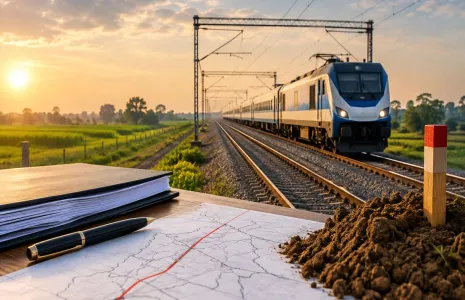
Indian Railways is accelerating its modernisation drive by upgrading infrastructure and rolling stock with advanced technologies aimed at enhancing safety, punctuality, reliability and passenger comfort. A major focus of this effort is the transition to cleaner traction systems, with a significant reduction in the use of coal-based and diesel engines.

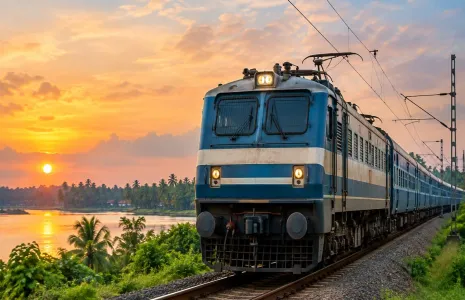
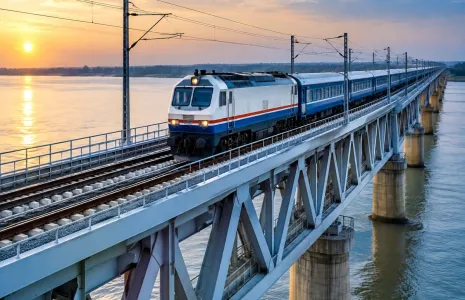
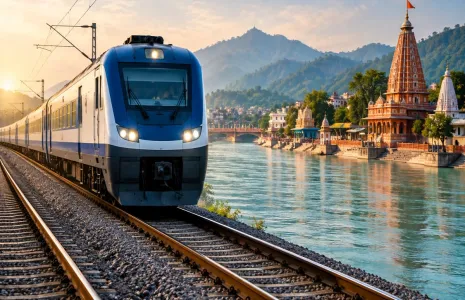
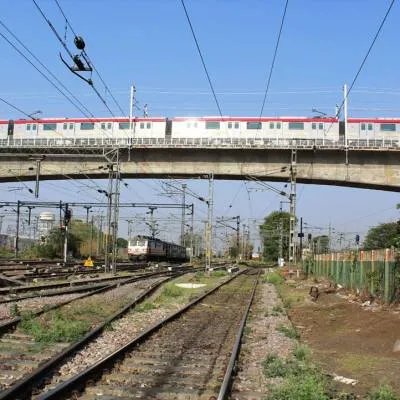
Electrification has been taken up in mission mode. As of now, 99.2 per cent of the Broad Gauge (BG) network has been electrified, with the remaining routes under execution. During 2014–25, Railways electrified 46,900 route kilometres, compared with 21,801 route kilometres completed in the six decades before 2014.

Indian Railways is also manufacturing and commissioning state-of-the-art three-phase IGBT locomotives. These engines are regenerative, enabling energy recovery during braking and delivering improved efficiency.

Coal-fired steam engines continue to be used on UNESCO-accredited mountain railways, seasonal steam-hauled trains and chartered tourist services operated with the Indian Railway Catering and Tourism Corporation (IRCTC), preserving their heritage appeal.

As part of its clean energy strategy, Indian Railways is increasingly meeting its traction power needs through renewable energy sources, including solar, wind and hybrid solutions that combine solar, wind and storage systems. This approach supports strategic power procurement planning and helps reduce the network’s carbon footprint.

By November 2025, Indian Railways had commissioned around 812 MW of solar plants and 93 MW of wind power installations, contributing to total traction energy needs. A further 100 MW of continuous renewable power under the Round-the-Clock (RTC) model has also been tied up from Solar Energy Corporation of India (SECI). An additional 1500 MW of renewable energy under RTC mode is being secured to meet future traction requirements.

During 2023–24, expenditure on traction across Indian Railways amounted to Rs 296.14 billion, covering all traction types.

Indian Railways has also embarked on a pilot project to test hydrogen-powered train technology, supported by specifications framed by the Research, Design & Standards Organisation (RDSO). The initiative demonstrates a commitment to alternative, environmentally responsible propulsion systems that will contribute to a cleaner transport future.

Aligned with India's strategy to achieve net-zero carbon emissions by 2030, the Railways plans to further expand renewable energy sourcing for traction through solar, wind and hybrid solutions, reinforcing its decarbonisation goals.

The information was shared by Union Minister for Railways, Information & Broadcasting, and Electronics & Information Technology, Ashwini Vaishnaw, in a written reply to the Lok Sabha.

Indian Railways is accelerating its modernisation drive by upgrading infrastructure and rolling stock with advanced technologies aimed at enhancing safety, punctuality, reliability and passenger comfort. A major focus of this effort is the transition to cleaner traction systems, with a significant reduction in the use of coal-based and diesel engines. Electrification has been taken up in mission mode. As of now, 99.2 per cent of the Broad Gauge (BG) network has been electrified, with the remaining routes under execution. During 2014–25, Railways electrified 46,900 route kilometres, compared with 21,801 route kilometres completed in the six decades before 2014. Indian Railways is also manufacturing and commissioning state-of-the-art three-phase IGBT locomotives. These engines are regenerative, enabling energy recovery during braking and delivering improved efficiency. Coal-fired steam engines continue to be used on UNESCO-accredited mountain railways, seasonal steam-hauled trains and chartered tourist services operated with the Indian Railway Catering and Tourism Corporation (IRCTC), preserving their heritage appeal. As part of its clean energy strategy, Indian Railways is increasingly meeting its traction power needs through renewable energy sources, including solar, wind and hybrid solutions that combine solar, wind and storage systems. This approach supports strategic power procurement planning and helps reduce the network’s carbon footprint. By November 2025, Indian Railways had commissioned around 812 MW of solar plants and 93 MW of wind power installations, contributing to total traction energy needs. A further 100 MW of continuous renewable power under the Round-the-Clock (RTC) model has also been tied up from Solar Energy Corporation of India (SECI). An additional 1500 MW of renewable energy under RTC mode is being secured to meet future traction requirements. During 2023–24, expenditure on traction across Indian Railways amounted to Rs 296.14 billion, covering all traction types. Indian Railways has also embarked on a pilot project to test hydrogen-powered train technology, supported by specifications framed by the Research, Design & Standards Organisation (RDSO). The initiative demonstrates a commitment to alternative, environmentally responsible propulsion systems that will contribute to a cleaner transport future. Aligned with India's strategy to achieve net-zero carbon emissions by 2030, the Railways plans to further expand renewable energy sourcing for traction through solar, wind and hybrid solutions, reinforcing its decarbonisation goals. The information was shared by Union Minister for Railways, Information & Broadcasting, and Electronics & Information Technology, Ashwini Vaishnaw, in a written reply to the Lok Sabha.

Next Story
Equipment

Schwing Stetter India Unveils New Innovations at Excon 2025

Schwing Stetter India unveiled more than 20 new machines at Excon 2025, marking one of its most significant showcases and introducing several India-first technologies to the construction equipment sector. The company launched the country’s first 56-metre boom pump designed and manufactured in India, the first fully electric truck mixer, the first CNG mixer variant and the first hybrid boom pump. Executives said the launch portfolio was engineered to support India’s move toward faster, greener and more vertically oriented infrastructure through advanced engineering, clean-energy solutions a..

Next Story
Infrastructure Energy

SEPC Resolves Hindustan Copper Dispute, Wins Rs 725 Mn Order

Engineering, procurement and construction firm SEPC Ltd has recently settled a dispute with Hindustan Copper Ltd (HCL) and secured a mining infrastructure order valued at Rs 725 million from the state-owned company. SEPC informed the stock exchanges that it has executed a settlement deed with HCL, bringing closure to all inter-se claims and counterclaims arising from arbitration proceedings. As part of the settlement, SEPC will receive Rs 304.5 million as full and final payment, marking the resolution of all pending disputes between the two entities. The company also stated that Hindustan Co..

Next Story
Infrastructure Energy

20% Ethanol Blending Cuts India’s CO2 Emissions by 73.6 Mn Tonnes

Union Road Transport and Highways Minister Nitin Gadkari recently said that India has reduced carbon dioxide emissions by 73.6 million metric tonnes due to the adoption of 20 per cent ethanol blending in petrol. He made the statement while replying to supplementary questions during the Question Hour in the Lok Sabha. Describing ethanol as a green fuel, the minister said it plays a key role in reducing pollution while also supporting higher incomes for farmers. He underlined that ethanol blending contributes both to environmental sustainability and rural economic growth. Nitin Gadkari also po..

Advertisement

Subscribe to Our Newsletter

Get daily newsletters around different themes from Construction world.

STAY CONNECTED

Advertisement

Advertisement

Advertisement

Advertisement

Open In App