India Builds First Hydrogen Train for Pilot Run
RAILWAYS & METRO RAIL

India Builds First Hydrogen Train for Pilot Run

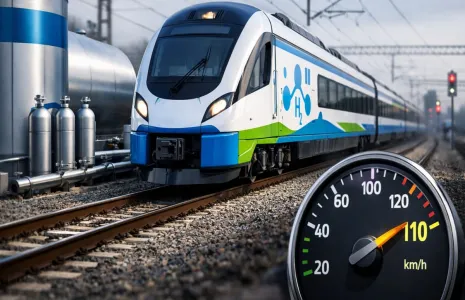
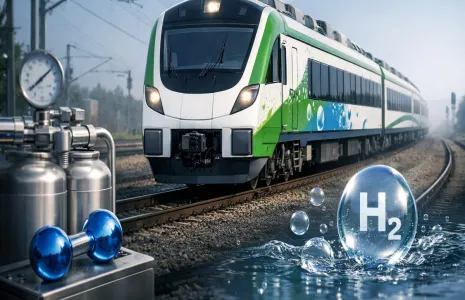
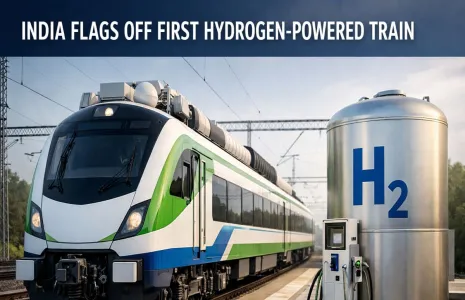
Indian Railways has undertaken a state-of-the-art pilot project to operate its first hydrogen-powered train, developed in line with specifications framed by the Research, Design & Standards Organisation (RDSO). The initiative aims to demonstrate hydrogen traction technology as a next-generation, clean-energy solution for the rail sector.

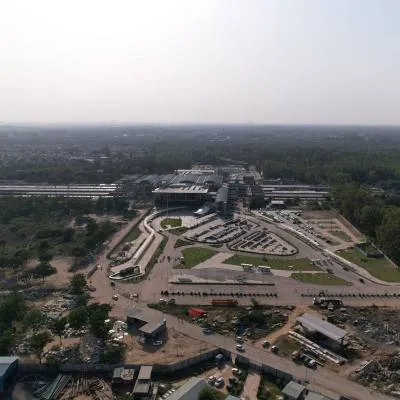
Manufacturing of the hydrogen train-set has been completed, and a dedicated hydrogen production plant has been set up in Jind. The plant generates hydrogen through electrolysis, a key process in green hydrogen production.

Key Features of the Hydrogen Train-Set

Designed and developed in India, reinforcing Indian Railways’ commitment to Atmanirbhar Bharat.

Currently the world’s longest (10 coaches) and most powerful (2,400 kW) hydrogen train-set on a broad-gauge platform.

Consists of two Driving Power Cars of 1,200 kW each and eight passenger coaches.

Zero carbon emissions, with water vapour as the only by-product.

Represents a significant advancement in alternative fuel technology for the rail sector.

The project required full-cycle development—from initial design to prototype manufacturing—and marks the first implementation of hydrogen traction within Indian Railways. As both the train-set and supporting infrastructure are part of a pilot project, cost comparisons with established traction systems would not be meaningful at this stage.

The initiative highlights Indian Railways’ commitment to sustainable energy solutions and positions the country at the forefront of green transportation technology.

This information was shared by Ashwini Vaishnaw, Union Minister for Railways, Information & Broadcasting, and Electronics & Information Technology, in a written reply to the Lok Sabha.

Indian Railways has undertaken a state-of-the-art pilot project to operate its first hydrogen-powered train, developed in line with specifications framed by the Research, Design & Standards Organisation (RDSO). The initiative aims to demonstrate hydrogen traction technology as a next-generation, clean-energy solution for the rail sector. Manufacturing of the hydrogen train-set has been completed, and a dedicated hydrogen production plant has been set up in Jind. The plant generates hydrogen through electrolysis, a key process in green hydrogen production. Key Features of the Hydrogen Train-Set Designed and developed in India, reinforcing Indian Railways’ commitment to Atmanirbhar Bharat. Currently the world’s longest (10 coaches) and most powerful (2,400 kW) hydrogen train-set on a broad-gauge platform. Consists of two Driving Power Cars of 1,200 kW each and eight passenger coaches. Zero carbon emissions, with water vapour as the only by-product. Represents a significant advancement in alternative fuel technology for the rail sector. The project required full-cycle development—from initial design to prototype manufacturing—and marks the first implementation of hydrogen traction within Indian Railways. As both the train-set and supporting infrastructure are part of a pilot project, cost comparisons with established traction systems would not be meaningful at this stage. The initiative highlights Indian Railways’ commitment to sustainable energy solutions and positions the country at the forefront of green transportation technology. This information was shared by Ashwini Vaishnaw, Union Minister for Railways, Information & Broadcasting, and Electronics & Information Technology, in a written reply to the Lok Sabha.

Next Story
Infrastructure Urban

Powerplay Rolls Out Procurement-Linked Credit for Contractors

Powerplay has announced the launch of Powerplay Credit, a project-linked working capital solution aimed at easing cash flow pressures faced by contractors during active construction execution. The solution has gone live across key markets in South India, with a wider national rollout planned for 2026.The launch comes amid rising activity in India’s construction sector across infrastructure, housing, industrial corridors, renewable energy and urban redevelopment. Contractors executing large corporate and government projects often face extended payment cycles, stage-based billing and delayed r..

Next Story
Infrastructure Urban

Jyoti Structures Commissions Galvanisation at Second Nashik Unit

Jyoti Structures has commissioned galvanisation operations at its second tower manufacturing unit in Nashik, strengthening its in-house capabilities across critical stages of power transmission infrastructure production. The listed Engineering, Procurement and Construction (EPC) company operates globally and has delivered projects for customers across more than 50 countries.The second Nashik unit, with an annual manufacturing capacity of 36,000 metric tonnes, has become operational following the completion of installation, testing and readiness of the new galvanising facilities. With this deve..

Next Story
Infrastructure Energy

Rosatom Connects First Kursk NPP-2 Unit to National Grid

Rosatom has launched the first power unit of the Kursk Nuclear Power Plant-2 (Kursk NPP-2) into Russia’s Unified Energy System, marking a key milestone in the country’s nuclear energy programme. The initial grid connection took place at the end of the year, bringing a new source of low-carbon electricity online for the Kursk region and the broader Central Energy System.The newly commissioned unit is the first implementation of the VVER-TOI reactor design, which incorporates advanced safety and performance features. With an installed capacity of 1,250 MW, it is the most powerful nuclear pow..

Advertisement

Subscribe to Our Newsletter

Get daily newsletters around different themes from Construction world.

STAY CONNECTED

Advertisement

Advertisement

Advertisement

Advertisement

Open In App