Bangalore to Achieve Green Waste Management Fleet by 2025
WATER & WASTE

Bangalore to Achieve Green Waste Management Fleet by 2025

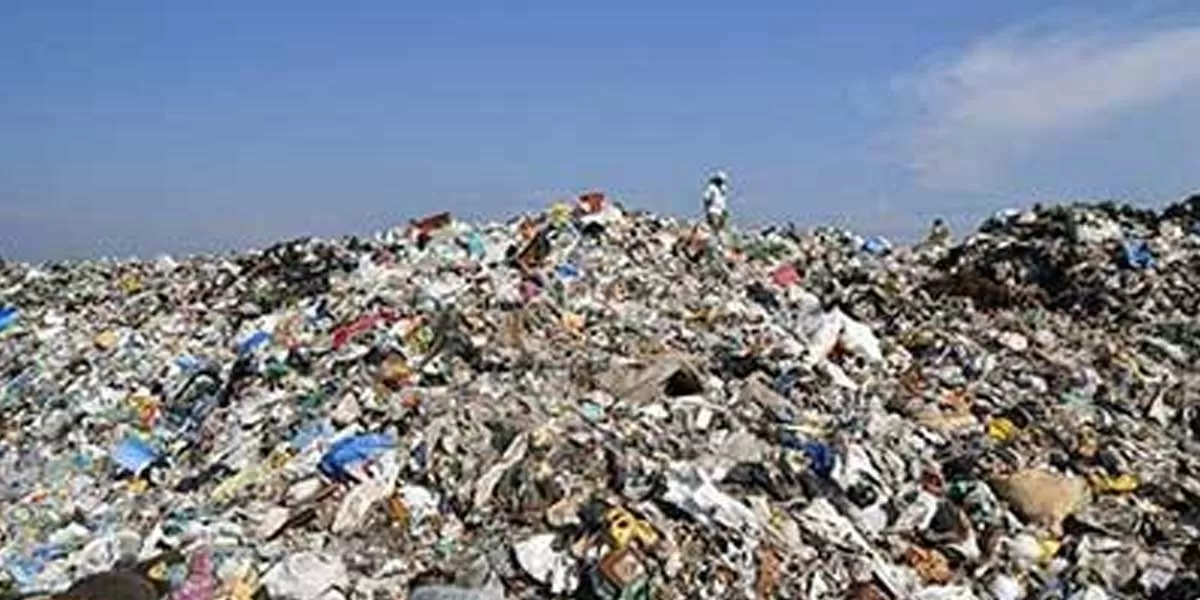
Bangalore aims to transition its solid waste management (SWM) fleet to eco-friendly vehicles by the year 2025. This initiative underscores the city's commitment to sustainability and reducing environmental impact through innovative waste management solutions.

The plan includes replacing existing diesel-powered vehicles with electric and other environmentally friendly alternatives. This shift is expected to not only lower carbon emissions but also improve air quality in Bangalore, addressing concerns over urban pollution.

City officials highlight that the transition to a green SWM fleet aligns with broader environmental goals and enhances operational efficiency in waste management practices. By adopting cleaner technologies, Bangalore seeks to lead by example in sustainable urban development.

The move towards eco-friendly waste management vehicles is part of Bangalore's comprehensive strategy to promote greener practices across various sectors. It reflects the city's proactive stance in tackling environmental challenges and promoting a healthier living environment for its residents.

As Bangalore prepares to meet its 2025 target, stakeholders anticipate significant strides in reducing the ecological footprint of solid waste management operations. The adoption of green technologies is expected to set a precedent for other cities in India striving towards sustainable urbanisation and environmental stewardship.

Bangalore aims to transition its solid waste management (SWM) fleet to eco-friendly vehicles by the year 2025. This initiative underscores the city's commitment to sustainability and reducing environmental impact through innovative waste management solutions. The plan includes replacing existing diesel-powered vehicles with electric and other environmentally friendly alternatives. This shift is expected to not only lower carbon emissions but also improve air quality in Bangalore, addressing concerns over urban pollution. City officials highlight that the transition to a green SWM fleet aligns with broader environmental goals and enhances operational efficiency in waste management practices. By adopting cleaner technologies, Bangalore seeks to lead by example in sustainable urban development. The move towards eco-friendly waste management vehicles is part of Bangalore's comprehensive strategy to promote greener practices across various sectors. It reflects the city's proactive stance in tackling environmental challenges and promoting a healthier living environment for its residents. As Bangalore prepares to meet its 2025 target, stakeholders anticipate significant strides in reducing the ecological footprint of solid waste management operations. The adoption of green technologies is expected to set a precedent for other cities in India striving towards sustainable urbanisation and environmental stewardship.

Next Story
Infrastructure Urban

Teknovace, Remmers Forge Rs 3 Bn Deal for Global Coatings Hub

Teknovace has entered into a strategic global partnership with Germany-based Remmers Gruppe SE to build a large-scale, export-oriented wood coatings manufacturing platform in India. As part of the alliance, Remmers will make a strategic equity investment of Rs 3 billion to acquire a 50.01 per cent stake in Teknovace in two tranches, marking one of the largest foreign strategic investments in India’s wood coatings sector.The partnership comes at a time when India’s wood coatings market, valued at around $1.3 billion (Rs 100 billion), is growing at an estimated 11% annually, driven by demand..

Next Story
Infrastructure Urban

Jyoti Structures Commissions Galvanisation at Second Nashik Unit

Jyoti Structures has commissioned galvanisation operations at its second tower manufacturing unit in Nashik, strengthening its in-house capabilities across critical stages of power transmission infrastructure production. The listed Engineering, Procurement and Construction (EPC) company operates globally and has delivered projects for customers across more than 50 countries.The second Nashik unit, with an annual manufacturing capacity of 36,000 metric tonnes, has become operational following the completion of installation, testing and readiness of the new galvanising facilities. With this deve..

Next Story
Infrastructure Energy

Rosatom Connects First Kursk NPP-2 Unit to National Grid

Rosatom has launched the first power unit of the Kursk Nuclear Power Plant-2 (Kursk NPP-2) into Russia’s Unified Energy System, marking a key milestone in the country’s nuclear energy programme. The initial grid connection took place at the end of the year, bringing a new source of low-carbon electricity online for the Kursk region and the broader Central Energy System.The newly commissioned unit is the first implementation of the VVER-TOI reactor design, which incorporates advanced safety and performance features. With an installed capacity of 1,250 MW, it is the most powerful nuclear pow..

Advertisement

Subscribe to Our Newsletter

Get daily newsletters around different themes from Construction world.

STAY CONNECTED

Advertisement

Advertisement

Advertisement

Advertisement

Open In App