BSWML Targets 500MT Dry Waste Supply to Bidadi Power Plant
WATER & WASTE

BSWML Targets 500MT Dry Waste Supply to Bidadi Power Plant

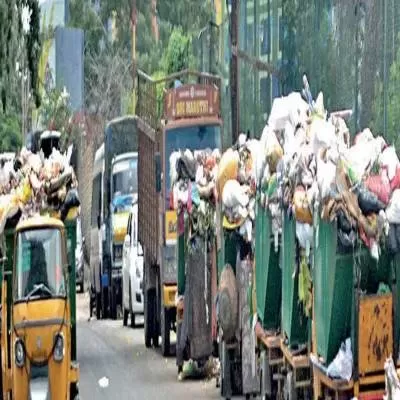
The Bangalore Solid Waste Management Limited (BSWML) plans to increase the supply of sorted dry waste to the Bidadi waste-to-power plant from the current 200 Metric Tonnes (MT) to 500MT per day by the end of the month.

BSWML Chief Executive Officer Karee Gowda, who inspected the facility, said the step aims to reduce dependence on Mandur’s legacy waste units, which currently supply 400MT of Refuse Derived Fuel (RDF) daily. The Bidadi plant is jointly operated by the Greater Bengaluru Authority (GBA) – formerly BBMP – and the Karnataka Power Corporation Limited (KPCL).

“The engineers have been instructed to speed up segregation at the source and achieve the 500MT daily target. By November-end, we plan to completely stop sourcing RDF from Mandur,” Gowda stated. The Bidadi plant currently generates 11.5MW of electricity each day.

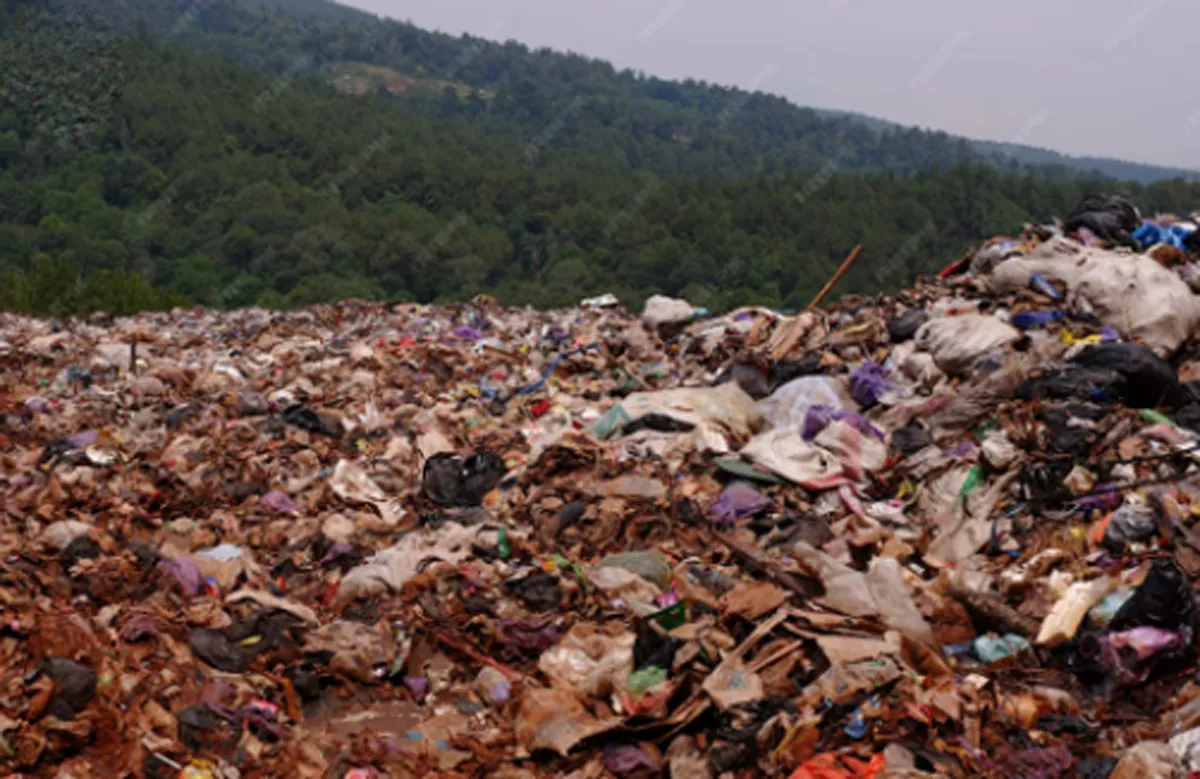
Improved Segregation and Reduced Landfill Load According to BSWML engineers, door-to-door segregation of dry waste has reduced the number of compactors going to landfills—from 390 to 340 last month. Bengaluru generates nearly 6,000MT of waste daily, with an estimated 35 per cent comprising plastic. Recyclable plastic is processed through dry waste facilities, while low-grade plastic is sent to the power plant.

Powering 25,000 Homes KPCL Executive Engineer Satish Kumar said the plant currently powers around 25,000 households, with the potential to double capacity if segregation is further improved.

Built on a Design, Finance, Construct, Operate and Transfer (DFCO&T) model, the Bidadi facility spans 163 acres of KPCL-owned land. Kumar added that the plant complies with Karnataka State Pollution Control Board (KSPCB) norms and operates with strict environmental safeguards to prevent air pollution and odour.

The Bangalore Solid Waste Management Limited (BSWML) plans to increase the supply of sorted dry waste to the Bidadi waste-to-power plant from the current 200 Metric Tonnes (MT) to 500MT per day by the end of the month. BSWML Chief Executive Officer Karee Gowda, who inspected the facility, said the step aims to reduce dependence on Mandur’s legacy waste units, which currently supply 400MT of Refuse Derived Fuel (RDF) daily. The Bidadi plant is jointly operated by the Greater Bengaluru Authority (GBA) – formerly BBMP – and the Karnataka Power Corporation Limited (KPCL). “The engineers have been instructed to speed up segregation at the source and achieve the 500MT daily target. By November-end, we plan to completely stop sourcing RDF from Mandur,” Gowda stated. The Bidadi plant currently generates 11.5MW of electricity each day. Improved Segregation and Reduced Landfill Load According to BSWML engineers, door-to-door segregation of dry waste has reduced the number of compactors going to landfills—from 390 to 340 last month. Bengaluru generates nearly 6,000MT of waste daily, with an estimated 35 per cent comprising plastic. Recyclable plastic is processed through dry waste facilities, while low-grade plastic is sent to the power plant. Powering 25,000 Homes KPCL Executive Engineer Satish Kumar said the plant currently powers around 25,000 households, with the potential to double capacity if segregation is further improved. Built on a Design, Finance, Construct, Operate and Transfer (DFCO&T) model, the Bidadi facility spans 163 acres of KPCL-owned land. Kumar added that the plant complies with Karnataka State Pollution Control Board (KSPCB) norms and operates with strict environmental safeguards to prevent air pollution and odour.

Next Story
Real Estate

RBI Rate Cut Boosts Confidence Across Housing Market

Industry Context and Market DynamicsThe real estate industry has welcomed the RBI’s rate cut as a timely boost to affordability and demand. With home prices having risen steadily across major markets, even a marginal reduction in interest rates meaningfully strengthens purchasing power, especially for first-time and mid-income buyers.Ashish Jerath, President – Sales & Marketing, Smartworld Developers, observes:“The RBI’s 25-basis-point cut, bringing the repo rate down to 5.25%, is a timely boost for the real estate sector. Lower interest rates reduce borrowing costs, enabling homeb..

Next Story
Infrastructure Transport

BMC Resumes Rs 170 Billion Road Works, Targets 80 per cent By Jan 2026

Following the withdrawal of the southwest monsoon in October, the Brihanmumbai Municipal Corporation (BMC) has restarted work on 645 roads—covering 297.49 kilometres—under its large-scale concretisation programme. Data shows that more than 60 per cent of the resumed works are located in the western suburbs. Officials said the civic body aims to complete concretisation on 80 per cent of the roads where fresh work has begun by January 2026. Launched in 2022, the Rs 170 billion project seeks to concretise 700 kilometres of roads across Mumbai. All civil works were halted during the monsoon ..

Next Story
Infrastructure Urban

India Pushes Digital Shift In Urban Land Mapping

The Department of Land Resources (DoLR) under the Ministry of Rural Development has convened a National Symposium on NAKSHA – the National Geospatial Knowledge-based Land Survey of Urban Habitations – to advance India’s transition to modern, technology-driven land mapping. Speaking at the inaugural session, Secretary Manoj Joshi underscored the urgent need to move revenue departments away from outdated, tape-based methods and rough hand-drawn sketches. He stressed that adopting latitude–longitude-based digital mapping and GIS-linked registration systems is essential for economic stabi..

Advertisement

Subscribe to Our Newsletter

Get daily newsletters around different themes from Construction world.

STAY CONNECTED

Advertisement

Advertisement

Advertisement

Advertisement

Open In App