

DFC Commits $30 Million for Plastic Recycling in India
WATER & WASTE

DFC Commits $30 Million for Plastic Recycling in India

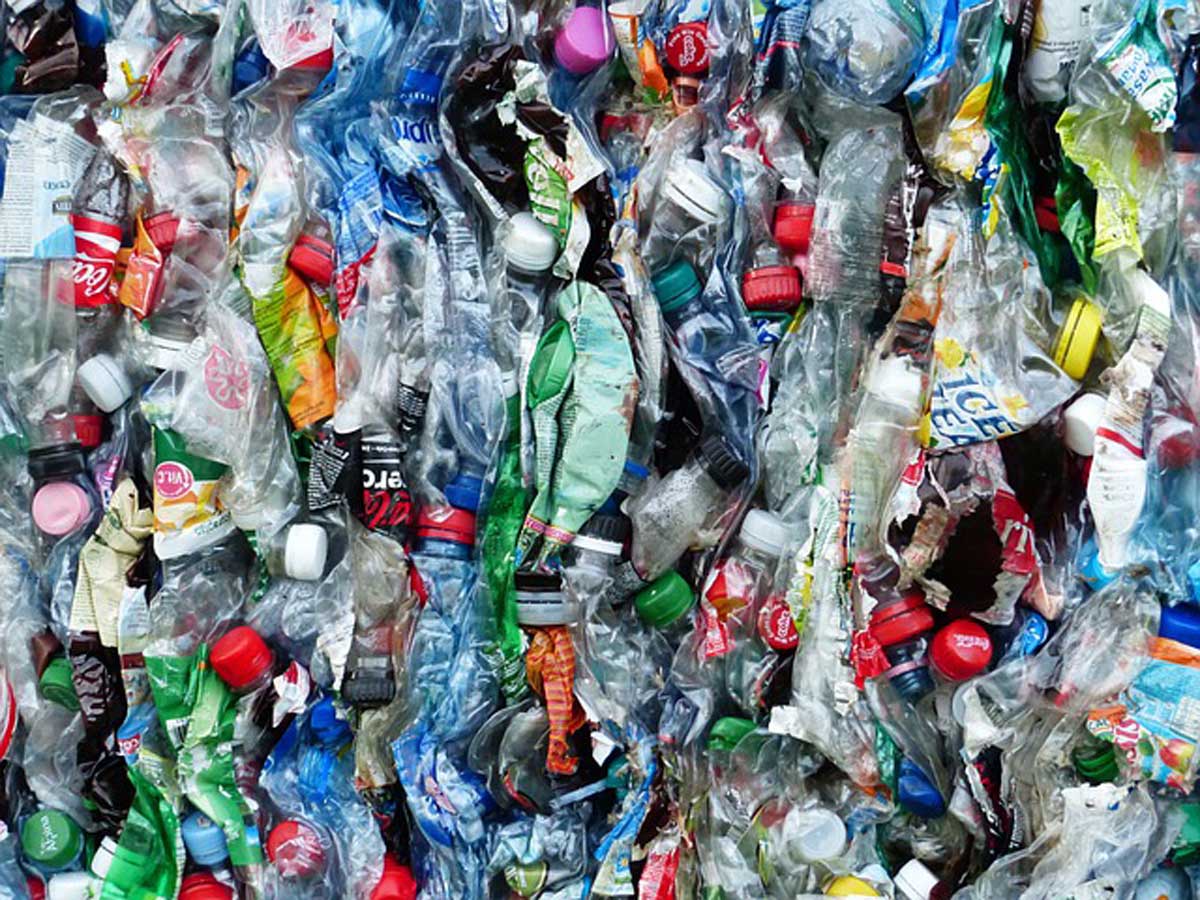
The US International Development Finance Corporation (DFC) has pledged $30 million to Dalmia Polypro Industries to establish a plastic recycling facility in Maharashtra. Dalmia, known for producing high-quality recycled materials from post-consumer plastic waste, will secure the funds through external commercial borrowing (ECB) to support the new recycling facility in Nashik, according to a DFC statement.

The facility is expected to enhance India's plastic waste value chain and increase its capacity to reduce plastic waste, as noted by Ajay Rao, DFC's regional managing director for South Asia.

This recycling facility is designed to handle 1,71,000 metric tonnes of recycling per year and facilitate the development of food-grade recycled materials and applications by Dalmia Polypro. Moreover, the facility will manufacture high-quality recycled PET (rPET), PP (rPP), and HDPE (rHDPE) flakes and granules, with a portion of its power coming from renewable energy and biofuel sources.

An agreement between the two parties was signed in the financial capital on Wednesday.

Mike Hankey, Consul General at the US Consulate General in the city, remarked, "Dalmia's new facility will expand recycling capacity in India, generate employment, and provide economic opportunities for informal workers and small and medium-sized enterprises involved in the plastics recycling supply chain."

"Join industry leaders at RAHSTA Expo, India's premier platform for roads, highways and traffic infrastructure. Register now to explore innovations, network with experts and shape the future of mobility."

The US International Development Finance Corporation (DFC) has pledged $30 million to Dalmia Polypro Industries to establish a plastic recycling facility in Maharashtra. Dalmia, known for producing high-quality recycled materials from post-consumer plastic waste, will secure the funds through external commercial borrowing (ECB) to support the new recycling facility in Nashik, according to a DFC statement. The facility is expected to enhance India's plastic waste value chain and increase its capacity to reduce plastic waste, as noted by Ajay Rao, DFC's regional managing director for South Asia. This recycling facility is designed to handle 1,71,000 metric tonnes of recycling per year and facilitate the development of food-grade recycled materials and applications by Dalmia Polypro. Moreover, the facility will manufacture high-quality recycled PET (rPET), PP (rPP), and HDPE (rHDPE) flakes and granules, with a portion of its power coming from renewable energy and biofuel sources. An agreement between the two parties was signed in the financial capital on Wednesday. Mike Hankey, Consul General at the US Consulate General in the city, remarked, Dalmia's new facility will expand recycling capacity in India, generate employment, and provide economic opportunities for informal workers and small and medium-sized enterprises involved in the plastics recycling supply chain.

Next Story
Real Estate

The Workplace Reset

If the past few years have seen sustainability emerge as a buzzword in the design of commercial spaces, the next few years will see the focus shift to ‘experience’. Workplaces that prioritise superior employee experiences consistently report stronger talent attraction and higher retention rates and productivity, while using resources sustainably.First things first; what sort of experiences are expected from a workplace?As Vandana Dhawan Saxena, Founder and Design Principal, Studio IV Designs, explains, “Offices have grown into environments that need to support various kinds of experience..

Next Story
Infrastructure Urban

Designing Human-Centric High-Rises

The Institution of Engineers (India) (IEI), Navi Mumbai Local Centre, under the aegis of the Architectural Engineering Division Board, organised a one-day national seminar, ‘Reaching New Heights – Overcoming High-Rise Construction Challenges’, at CBD Belapur, Navi Mumbai.The seminar brought together architects, engineers, planners, developers, academicians and industry professionals to deliberate on the design, construction, operation and sustainability of tall buildings in rapidly urbanising cities...To read the full article Click Here ..

Next Story
Infrastructure Urban

Carbon-negative and ultra-low carbon are not just claims!

In an interaction with Construction World, Tarun Jami, Founder, GreenJams, explains how the company is cutting cement’s carbon footprint by 80 per cent through Binder, while scaling innovations such as Agrocrete® and Novastone to make buildings lighter, faster and carbon-negative.Agrocrete® is positioned as a carbon-negative material. What does this mean for developers?For developers, Agrocrete® offers a practical way to reduce embodied carbon at the material level. Since walling forms a significant part of a building’s material footprint, using carbon-negative blocks can bring the net ..

Advertisement

Subscribe to Our Newsletter

Get daily newsletters around different themes from Construction world.

STAY CONNECTED

Advertisement

Advertisement

Advertisement