Swachh Bharat will boost the growth rate of the ceramic sector
Real Estate

Swachh Bharat will boost the growth rate of the ceramic sector

- Santosh Nema CEO, RAK Ceramics (India)

In India, RAK Ceramics has the largest and most modern vitrified tile manufacturing plant in Samalkot in Andhra Pradesh with a manufacturing capacity of 30,000 sq m of vitrified tiles per day and 1,500 sanitaryware pieces or day. RAK Ceramics is the only company in India to manufacture all the 10 distinct variants of vitrified tiles. Santosh Nema, CEO, RAK Ceramics (India), elucidates on the company´s operations, products and the impact of the Swachh Bharat Mission on the industry.

What has been the demand for tiles and sanitaryware in the last six months?
Prime Minister Narendra Modi´s launch of the ´Swachh Bharat´ mission is expected to boost the ceramic sanitaryware market with huge investments being directed towards construction of toilets and sanitation facilities.

How will the mission impact both the ceramic tiles and the sanitary markets?
The construction of toilets across the country will boost the growth rate of the ceramic sector from 4 per cent of the last year and an average of 8 per cent in the past years to 6 per cent in the coming period of 2015 -2016.
Also, India´s sanitaryware and bathroom fittings industry, currently estimated at Rs 8,000 crore, is expected to grow at a compounded annual growth rate of 12 per cent over next three to four years. Prime Minister Narendra Modi´s mission of ´Swachh Bharat´ by 2019, if implemented in the right direction, can be a big boon for the industry.

Does your company provide any unique product and what is the cost?
RAK Ceramics now has six new designs in its Vanity Collection by RAK Elegance. These new vanities are thoughtfully designed to add depth to the bathroom and living spaces. The vanity collection is available in both one and two door designs. Made from high density PVC and soft closing fittings, these are durable, virtually dust-proof and suitable for both dry and wet bathroom areas at an affordable cost.

The total project cost for the mission is Rs 62,009 crore...
Yes, and if it is implemented in the right direction it can be sufficient. According to the government, to finance building of public toilets, states and ULBs would identify land and leverage the same and advertisements to encourage private sector investments for construction and maintenance through PPP agreement. Besides, 20 per cent of central share (Rs 2,924 crore) has been earmarked as performance fund out of which allocation will be made to performing states or UTs based on physical performance with respect to states objectives.

Do you think this clean drive would achieve the 2019 target and make a significant change?
The mission seeks to eliminate open defecation and manual scavenging, besides promoting modern and scientific municipal solid waste management. As per the implementation guidelines approved by the Minister, ULBs and state or UT governments have now been fully empowered to propose and approve the projects. ULBs have been authorised to prepare, sanction and implement projects with respect to constructing individual household toilets besides community and public toilets, under the broad directions of state or UT governments.

How will constructing toilets and distributing sanitary equipment contribute to the success of the mission.
Our Prime Minister has directly linked the clean India movement with the economic health of the nation. Cleanliness is no doubt connected to the tourism and global interests of the country as a whole. It is time that India´s top 50 tourist destinations displayed highest standard of hygiene and cleanliness so as to change the global perception.

(Communication by the management of the company)

"Join industry leaders at RAHSTA Expo, India's premier platform for roads, highways and traffic infrastructure. Register now to explore innovations, network with experts and shape the future of mobility."

- Santosh Nema CEO, RAK Ceramics (India) In India, RAK Ceramics has the largest and most modern vitrified tile manufacturing plant in Samalkot in Andhra Pradesh with a manufacturing capacity of 30,000 sq m of vitrified tiles per day and 1,500 sanitaryware pieces or day. RAK Ceramics is the only company in India to manufacture all the 10 distinct variants of vitrified tiles. Santosh Nema, CEO, RAK Ceramics (India), elucidates on the company´s operations, products and the impact of the Swachh Bharat Mission on the industry. What has been the demand for tiles and sanitaryware in the last six months? Prime Minister Narendra Modi´s launch of the ´Swachh Bharat´ mission is expected to boost the ceramic sanitaryware market with huge investments being directed towards construction of toilets and sanitation facilities. How will the mission impact both the ceramic tiles and the sanitary markets? The construction of toilets across the country will boost the growth rate of the ceramic sector from 4 per cent of the last year and an average of 8 per cent in the past years to 6 per cent in the coming period of 2015 -2016. Also, India´s sanitaryware and bathroom fittings industry, currently estimated at Rs 8,000 crore, is expected to grow at a compounded annual growth rate of 12 per cent over next three to four years. Prime Minister Narendra Modi´s mission of ´Swachh Bharat´ by 2019, if implemented in the right direction, can be a big boon for the industry. Does your company provide any unique product and what is the cost? RAK Ceramics now has six new designs in its Vanity Collection by RAK Elegance. These new vanities are thoughtfully designed to add depth to the bathroom and living spaces. The vanity collection is available in both one and two door designs. Made from high density PVC and soft closing fittings, these are durable, virtually dust-proof and suitable for both dry and wet bathroom areas at an affordable cost. The total project cost for the mission is Rs 62,009 crore... Yes, and if it is implemented in the right direction it can be sufficient. According to the government, to finance building of public toilets, states and ULBs would identify land and leverage the same and advertisements to encourage private sector investments for construction and maintenance through PPP agreement. Besides, 20 per cent of central share (Rs 2,924 crore) has been earmarked as performance fund out of which allocation will be made to performing states or UTs based on physical performance with respect to states objectives. Do you think this clean drive would achieve the 2019 target and make a significant change? The mission seeks to eliminate open defecation and manual scavenging, besides promoting modern and scientific municipal solid waste management. As per the implementation guidelines approved by the Minister, ULBs and state or UT governments have now been fully empowered to propose and approve the projects. ULBs have been authorised to prepare, sanction and implement projects with respect to constructing individual household toilets besides community and public toilets, under the broad directions of state or UT governments. How will constructing toilets and distributing sanitary equipment contribute to the success of the mission. Our Prime Minister has directly linked the clean India movement with the economic health of the nation. Cleanliness is no doubt connected to the tourism and global interests of the country as a whole. It is time that India´s top 50 tourist destinations displayed highest standard of hygiene and cleanliness so as to change the global perception. (Communication by the management of the company)

Next Story
Infrastructure Transport

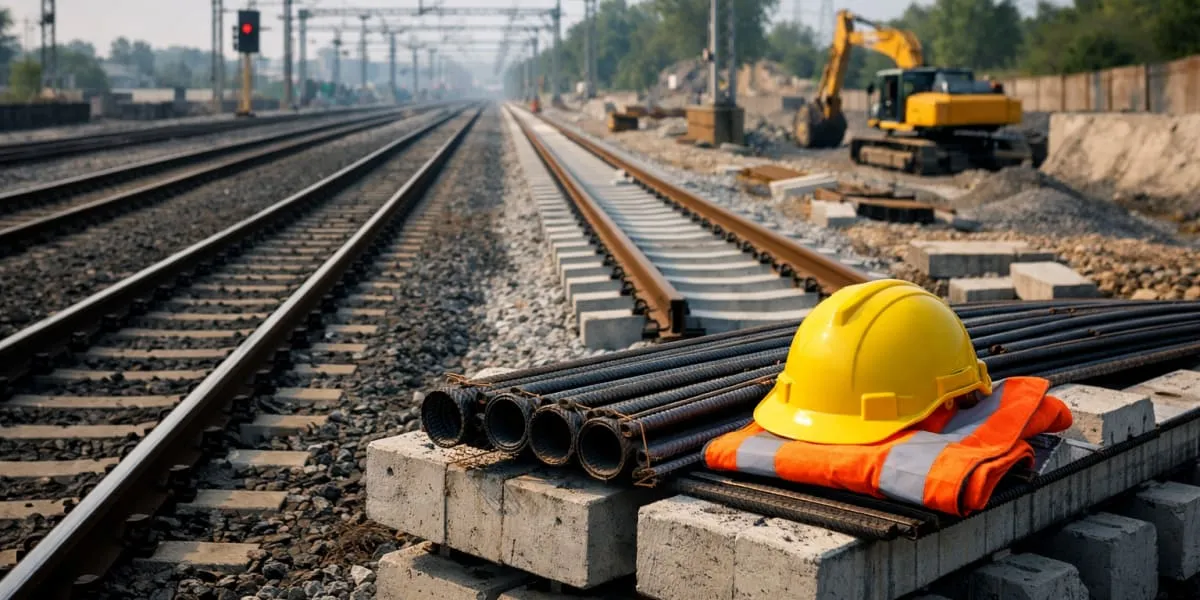
Third Railway Line Between Tatanagar And Adityapur Likely By September

The third railway line between Tatanagar and Adityapur is expected to be commissioned by September as work on the corridor advances, according to railway sources. The project to add a fourth line on the busy route is progressing and has been allocated Rs 50.89 billion (bn) in funding. The allocation underscores the focus on increasing capacity and easing congestion on the corridor. Relevant timetables are being adjusted to integrate the new capacity into regular operations. Construction activity has involved track laying, formation work and signalling upgrades along strategic stretches, with m..
Next Story
Infrastructure Transport

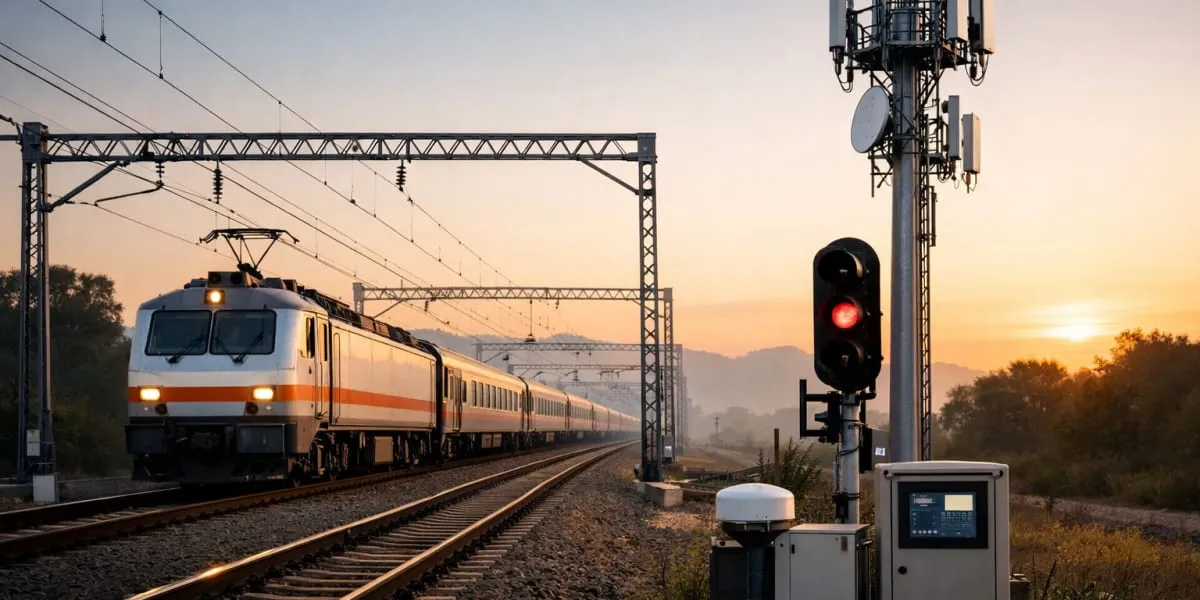
Indian Railways Approves Rs 2.7 bn Kavach Rollout in Odisha

Indian Railways has approved a Rs 2.7 billion (Rs 2.7 bn) plan to install the Kavach train collision avoidance system on 631 route kilometres in the East Coast Railway zone. The Ministry of Railways said the work will form part of a wider Kavach deployment programme that relies on an LTE based communication backbone rather than a standalone installation. The approval marks the latest stage in the steady expansion of the indigenous safety technology across the national network. The decision aims to enhance safety and reliability on corridors serving Odisha and adjoining areas. The project will ..
Next Story
Infrastructure Transport

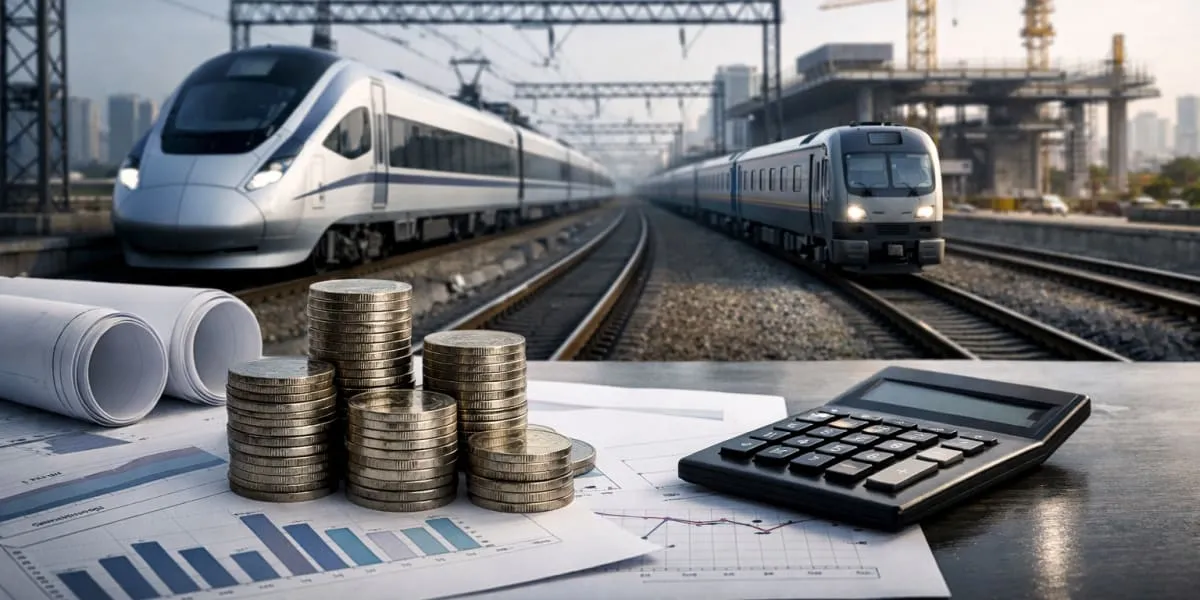
Indian Railways Accelerates Modernisation Drive

Indian Railways utilised nearly 30 per cent of its capital expenditure budget for FY2026-27 within the first two months of the financial year, spending more than Rs 840 billion (bn) in April and May against a planned outlay of Rs 2.93 trillion (tn) for the year. The Union Budget allocated Rs 2.93 tn in total capex, comprising Rs 2.81 tn through gross budgetary support and Rs 120 bn from extra-budgetary resources. The early absorption indicates robust project execution and an aggressive infrastructure push. A significant share of the spending is being channelled towards track infrastructure, in..

Advertisement

Subscribe to Our Newsletter

Get daily newsletters around different themes from Construction world.

STAY CONNECTED

Advertisement

Advertisement

Advertisement