

Auto Components Up 6.8 Per Cent In H1 FY26
ECONOMY & POLICY

Auto Components Up 6.8 Per Cent In H1 FY26

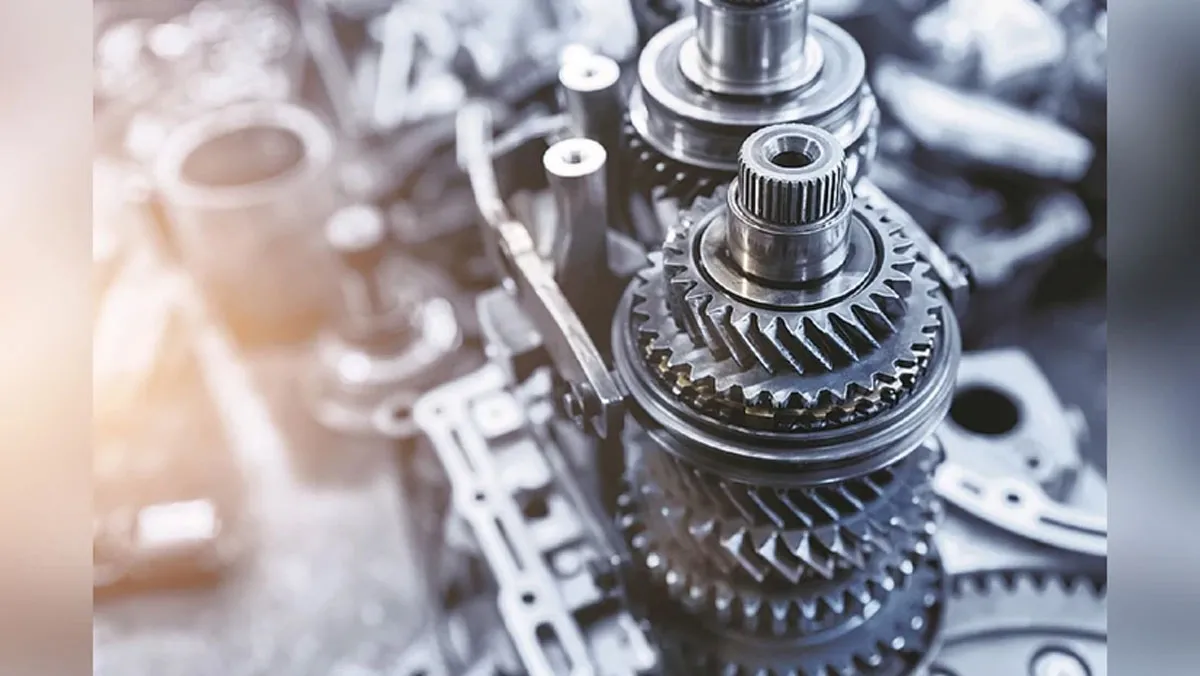
India’s auto component industry grew 6.8 per cent year-on-year to Rs 3.56 trillion (USD 42.7 billion) during April–September FY26, compared with Rs 3.33 trillion (USD 40.0 billion) in the same period last year, according to the Automotive Component Manufacturers Association (ACMA). The expansion was supported by steady domestic demand, a resilient aftermarket and continued investment in capacity, localisation and technology upgrades.

Sales to OEMs rose 7.3 per cent to Rs 3.04 trillion (USD 36.5 billion), driven largely by passenger vehicles and light commercial vehicles. The aftermarket posted robust 9 per cent growth to Rs 531.6 billion (USD 6.4 billion), aided by a rising vehicle parc, greater formalisation in repairs and deeper penetration of organised service networks.

On external trade, component exports increased 9.3 per cent to USD 12.1 billion, while imports climbed about 12.5 per cent to USD 12.3 billion, resulting in a trade deficit of USD 180 million versus a USD 150 million surplus in H1 FY25. ACMA noted that export gains came despite global supply-chain disruptions, raw material cost pressures and weaker demand in key markets. The US and Germany remained leading export destinations, while China, Japan and Germany were the primary import sources.

Electric vehicles accounted for 4.6 per cent of total OEM supplies, highlighting the sector’s gradual shift towards new mobility. ACMA Director General Vinnie Mehta said the industry’s H1 FY26 performance reflects the strength of India’s automotive ecosystem, with growth across OEM and aftermarket segments. Although imports rose faster than exports, he added that manufacturers are responding through deeper localisation, capacity expansion and stronger collaboration as they prepare for the next phase driven by emerging mobility technologies.

India’s auto component industry grew 6.8 per cent year-on-year to Rs 3.56 trillion (USD 42.7 billion) during April–September FY26, compared with Rs 3.33 trillion (USD 40.0 billion) in the same period last year, according to the Automotive Component Manufacturers Association (ACMA). The expansion was supported by steady domestic demand, a resilient aftermarket and continued investment in capacity, localisation and technology upgrades. Sales to OEMs rose 7.3 per cent to Rs 3.04 trillion (USD 36.5 billion), driven largely by passenger vehicles and light commercial vehicles. The aftermarket posted robust 9 per cent growth to Rs 531.6 billion (USD 6.4 billion), aided by a rising vehicle parc, greater formalisation in repairs and deeper penetration of organised service networks. On external trade, component exports increased 9.3 per cent to USD 12.1 billion, while imports climbed about 12.5 per cent to USD 12.3 billion, resulting in a trade deficit of USD 180 million versus a USD 150 million surplus in H1 FY25. ACMA noted that export gains came despite global supply-chain disruptions, raw material cost pressures and weaker demand in key markets. The US and Germany remained leading export destinations, while China, Japan and Germany were the primary import sources. Electric vehicles accounted for 4.6 per cent of total OEM supplies, highlighting the sector’s gradual shift towards new mobility. ACMA Director General Vinnie Mehta said the industry’s H1 FY26 performance reflects the strength of India’s automotive ecosystem, with growth across OEM and aftermarket segments. Although imports rose faster than exports, he added that manufacturers are responding through deeper localisation, capacity expansion and stronger collaboration as they prepare for the next phase driven by emerging mobility technologies.

Next Story
Infrastructure Energy

ABB Dispatches First Locally Made Wind Power Converter in India

ABB has recently dispatched its first wind power converter manufactured in India, marking a key milestone following its acquisition of Gamesa Electric’s power electronics business in December 2025. The converter was produced at ABB’s state-of-the-art Nelamangala facility near Bengaluru and supplied to a wind turbine OEM, reinforcing the company’s strengthened focus on the wind energy segment. The dispatch reflects ABB’s strategy to integrate proven wind energy conversion technologies into its portfolio while supporting India’s ‘Make in India’ and ‘Atmanirbhar Bharat’ initiat..

Next Story
Real Estate

Trident Realty Launches Premium Integrated Township in Panipat

Trident Realty has recently announced the launch of Trident Parktown, a premium integrated township planned over approximately 125 acres in Sectors 19A and 40, Panipat. The project marks the developer’s strategic expansion into one of North India’s fast-evolving urban centres, supported by improving infrastructure and connectivity. The township involves a total investment of 12 billion and has been conceptualised as a balanced, future-ready development. Phase one will offer over 400 residential plots, with sizes starting from 200 sq yds. The overall master plan includes a mix of plotted d..
Next Story
Infrastructure Energy

Hindustan Zinc 3Q PAT Rises 46% YoY to Rs 39.16 billion

Hindustan Zinc has recently reported its highest-ever quarterly profit after tax of Rs 39.16 billion in 3Q FY26, marking a 46 per cent year-on-year rise, supported by record revenue and EBITDA. Quarterly revenue touched an all-time high of Rs 109.80 billion, up 27 per cent YoY, while EBITDA stood at Rs 60.87 billion, delivering an industry-leading margin of 55 per cent. Operational performance remained strong, with mined metal production at 276 kt and refined metal output at 270 kt. Cost discipline was a key driver, with zinc cost of production falling to a five-year low of USD 940 per tonne...

Advertisement

Subscribe to Our Newsletter

Get daily newsletters around different themes from Construction world.

STAY CONNECTED

Advertisement

Advertisement

Advertisement

Advertisement

Open In App