CIL Despatches Record 375 MT Coal by Rail with Third-Party Sampling
COAL & MINING

CIL Despatches Record 375 MT Coal by Rail with Third-Party Sampling

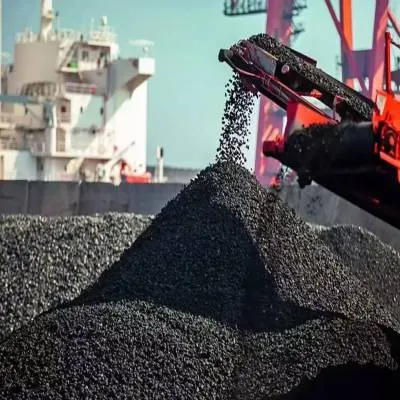
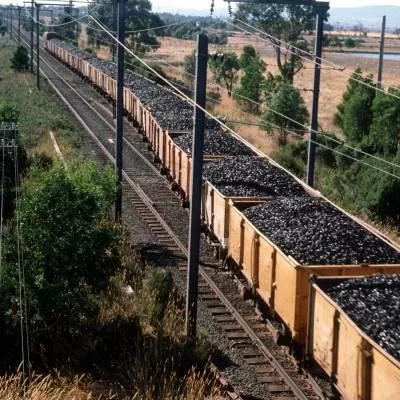
State-owned Coal India (CIL) has achieved a significant operational milestone by despatching around 375 million tonnes (MT) of coal through the rail mode, with the entire quantity sampled by independent third-party sampling agencies (TPSAs), till December of the current financial year. The achievement marks the highest volume of coal despatched through rail with third-party sampling in the company’s history.

Announcing the development, the company said, “Till December FY 2026, CIL has despatched about 375 million tonnes (MTs) of coal through rail mode which was sampled by TPSAs.” The milestone underlines CIL’s growing emphasis on quality assurance, transparency and supply chain reliability at a time when domestic coal demand continues to rise, particularly from the power sector.

The volume reflects the successful implementation of government-mandated third-party sampling protocols aimed at ensuring unbiased quality checks, reducing disputes with power producers and curbing pilferage. Of the total coal despatched through rail, around 50 per cent was loaded through silos equipped with automated mechanical samplers, helping maintain higher standards of quality control. CIL is targeting to raise this share to nearly 80 per cent during the current fiscal year.

To meet this objective, the company is accelerating the commissioning of new first mile connectivity projects and expanding silo-based loading infrastructure across its subsidiaries. At present, 11 TPSAs empanelled by Power Finance Corporation Ltd (PFCL) are engaged in coal sampling and analysis at CIL’s loading points. Coal consumers are allowed to choose a TPSA of their preference from the empanelled agencies.

CIL has also initiated online coal quality analysis at two of its subsidiaries to enable real-time assessment and enhance transparency. While acknowledging the inherent heterogeneity of domestic coal, the company said the adoption of technology-driven quality assessment has become a key focus area. Coal India currently accounts for over 80 per cent of India’s domestic coal production.
News source: Business Standard

State-owned Coal India (CIL) has achieved a significant operational milestone by despatching around 375 million tonnes (MT) of coal through the rail mode, with the entire quantity sampled by independent third-party sampling agencies (TPSAs), till December of the current financial year. The achievement marks the highest volume of coal despatched through rail with third-party sampling in the company’s history.Announcing the development, the company said, “Till December FY 2026, CIL has despatched about 375 million tonnes (MTs) of coal through rail mode which was sampled by TPSAs.” The milestone underlines CIL’s growing emphasis on quality assurance, transparency and supply chain reliability at a time when domestic coal demand continues to rise, particularly from the power sector.The volume reflects the successful implementation of government-mandated third-party sampling protocols aimed at ensuring unbiased quality checks, reducing disputes with power producers and curbing pilferage. Of the total coal despatched through rail, around 50 per cent was loaded through silos equipped with automated mechanical samplers, helping maintain higher standards of quality control. CIL is targeting to raise this share to nearly 80 per cent during the current fiscal year.To meet this objective, the company is accelerating the commissioning of new first mile connectivity projects and expanding silo-based loading infrastructure across its subsidiaries. At present, 11 TPSAs empanelled by Power Finance Corporation Ltd (PFCL) are engaged in coal sampling and analysis at CIL’s loading points. Coal consumers are allowed to choose a TPSA of their preference from the empanelled agencies.CIL has also initiated online coal quality analysis at two of its subsidiaries to enable real-time assessment and enhance transparency. While acknowledging the inherent heterogeneity of domestic coal, the company said the adoption of technology-driven quality assessment has become a key focus area. Coal India currently accounts for over 80 per cent of India’s domestic coal production.News source: Business Standard

Next Story
Infrastructure Urban

Henkel, Rotary Recycle PoP Ganesha Idols Under Project HARMONY

Henkel India, in partnership with the Rotary Club of Navi Mumbai – Joy of Giving and with support from the Navi Mumbai Municipal Corporation (NMMC), has advanced circular sustainability through Project HARMONY by recycling Plaster of Paris (PoP) Ganesha idols into community learning assets. The initiative highlights an integrated approach to environmental restoration and social impact.As part of the project, materials collected after Ganesh Visarjan 2025 at Nerul were responsibly diverted from land and water bodies and processed at an authorised recycling facility, with on-ground execution s..

Next Story
Real Estate

Houssed.com Expands to 33 Cities, Crosses Rs 1 Bn in Deals

Proptech platform Houssed.com has expanded its presence to 33 cities across India, strengthening its national footprint as it crosses 50,000 verified property listings and facilitates real estate transactions worth over Rs 1 billion. The milestone marks a significant phase in the company’s growth as demand rises for transparent and technology-driven property discovery in India’s estimated $500-billion real estate market.The company said the expansion reflects increasing preference among homebuyers and developers for platforms that prioritise verification, accountability and customer trust...

Next Story
Infrastructure Urban

Hindustan Zinc to Set Up India’s First Zinc Tailings Recycling Unit

Hindustan Zinc, a Vedanta Group company and the world’s largest integrated zinc producer, has awarded contracts to CIMIC Group companies Sedgman and Leighton Asia for the development of India’s first zinc tailings recycling facility at its Rampura Agucha Mines in Rajasthan. The project marks a significant step towards adopting circular economy practices in the country’s mining sector.Tailings are finely ground residues left after mineral extraction and are traditionally treated as waste. However, they often contain residual quantities of valuable metals that were not recoverable using ea..

Advertisement

Subscribe to Our Newsletter

Get daily newsletters around different themes from Construction world.

STAY CONNECTED

Advertisement

Advertisement

Advertisement

Advertisement

Open In App