



Goa's Coastal Authority Finds Illegal Mining
COAL & MINING

Goa's Coastal Authority Finds Illegal Mining

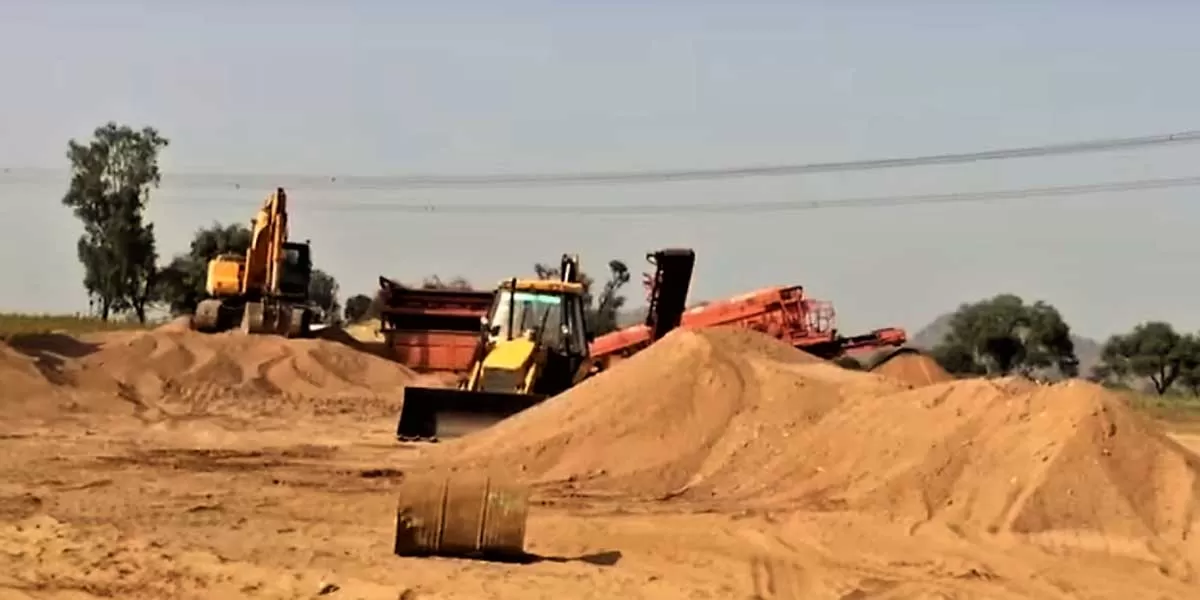
Goa?s Coastal Zone Management Authority (GCZMA) has identified illegal sand mining activities taking place at Chorao, a prominent island near Panaji. These illicit operations have raised concerns over environmental degradation and the violation of coastal zone regulations. The authority has vowed to take stringent action against those responsible to curb the ongoing damage to the ecosystem.

Illegal Sand Mining: GCZMA?s inspection of the Chorao area uncovered unauthorized sand extraction operations, which have reportedly been taking place for some time. The illegal removal of sand from coastal areas poses a serious threat to the region?s natural habitat, particularly in a sensitive zone like Chorao, known for its rich biodiversity and ecological significance.

Environmental Impact: Sand mining, especially in coastal regions, can lead to severe environmental consequences, such as erosion, loss of vegetation, and disruption of aquatic ecosystems. Chorao is home to the Salim Ali Bird Sanctuary and serves as a vital habitat for several species. The illegal mining activities threaten to destabilize the island?s ecological balance, affecting both the wildlife and the local community that depends on sustainable resources.

Regulatory Action: In response to the findings, the GCZMA has emphasized the need for stronger enforcement of coastal regulations. The authority plans to take immediate action against the individuals or organizations involved in the illegal sand mining. Legal measures, including fines and penalties, are expected to be imposed to deter further violations. Additionally, the GCZMA is working with local authorities to ensure that such activities are halted, and restoration efforts are put in place.

Coastal Regulation Challenges: The discovery of illegal sand mining at Chorao highlights the ongoing challenge of enforcing coastal regulations in Goa. Despite laws aimed at protecting coastal zones from unsustainable practices, illegal mining remains a persistent problem, driven by the high demand for construction materials. The GCZMA?s efforts are part of a broader initiative to tighten control over coastal activities and promote sustainable development in line with environmental guidelines.

Community Concerns: Local communities on Chorao Island have expressed concerns over the unchecked sand mining, which has not only disrupted the natural landscape but also affected livelihoods dependent on fishing and tourism. The continued degradation of the environment could result in long-term economic challenges for these communities, further intensifying the need for immediate action by the authorities.

Conclusion: Goa?s Coastal Zone Management Authority?s discovery of illegal sand mining at Chorao underscores the urgency of addressing environmental violations in sensitive coastal regions. By taking firm regulatory steps and enforcing coastal zone laws, the GCZMA aims to protect the ecological integrity of Chorao and preserve its natural resources for future generations.

"Join industry leaders at RAHSTA Expo, India's premier platform for roads, highways and traffic infrastructure. Register now to explore innovations, network with experts and shape the future of mobility."

Goa?s Coastal Zone Management Authority (GCZMA) has identified illegal sand mining activities taking place at Chorao, a prominent island near Panaji. These illicit operations have raised concerns over environmental degradation and the violation of coastal zone regulations. The authority has vowed to take stringent action against those responsible to curb the ongoing damage to the ecosystem. Illegal Sand Mining: GCZMA?s inspection of the Chorao area uncovered unauthorized sand extraction operations, which have reportedly been taking place for some time. The illegal removal of sand from coastal areas poses a serious threat to the region?s natural habitat, particularly in a sensitive zone like Chorao, known for its rich biodiversity and ecological significance. Environmental Impact: Sand mining, especially in coastal regions, can lead to severe environmental consequences, such as erosion, loss of vegetation, and disruption of aquatic ecosystems. Chorao is home to the Salim Ali Bird Sanctuary and serves as a vital habitat for several species. The illegal mining activities threaten to destabilize the island?s ecological balance, affecting both the wildlife and the local community that depends on sustainable resources. Regulatory Action: In response to the findings, the GCZMA has emphasized the need for stronger enforcement of coastal regulations. The authority plans to take immediate action against the individuals or organizations involved in the illegal sand mining. Legal measures, including fines and penalties, are expected to be imposed to deter further violations. Additionally, the GCZMA is working with local authorities to ensure that such activities are halted, and restoration efforts are put in place. Coastal Regulation Challenges: The discovery of illegal sand mining at Chorao highlights the ongoing challenge of enforcing coastal regulations in Goa. Despite laws aimed at protecting coastal zones from unsustainable practices, illegal mining remains a persistent problem, driven by the high demand for construction materials. The GCZMA?s efforts are part of a broader initiative to tighten control over coastal activities and promote sustainable development in line with environmental guidelines. Community Concerns: Local communities on Chorao Island have expressed concerns over the unchecked sand mining, which has not only disrupted the natural landscape but also affected livelihoods dependent on fishing and tourism. The continued degradation of the environment could result in long-term economic challenges for these communities, further intensifying the need for immediate action by the authorities. Conclusion: Goa?s Coastal Zone Management Authority?s discovery of illegal sand mining at Chorao underscores the urgency of addressing environmental violations in sensitive coastal regions. By taking firm regulatory steps and enforcing coastal zone laws, the GCZMA aims to protect the ecological integrity of Chorao and preserve its natural resources for future generations.

Next Story
Real Estate

The Workplace Reset

If the past few years have seen sustainability emerge as a buzzword in the design of commercial spaces, the next few years will see the focus shift to ‘experience’. Workplaces that prioritise superior employee experiences consistently report stronger talent attraction and higher retention rates and productivity, while using resources sustainably.First things first; what sort of experiences are expected from a workplace?As Vandana Dhawan Saxena, Founder and Design Principal, Studio IV Designs, explains, “Offices have grown into environments that need to support various kinds of experience..

Next Story
Infrastructure Urban

Designing Human-Centric High-Rises

The Institution of Engineers (India) (IEI), Navi Mumbai Local Centre, under the aegis of the Architectural Engineering Division Board, organised a one-day national seminar, ‘Reaching New Heights – Overcoming High-Rise Construction Challenges’, at CBD Belapur, Navi Mumbai.The seminar brought together architects, engineers, planners, developers, academicians and industry professionals to deliberate on the design, construction, operation and sustainability of tall buildings in rapidly urbanising cities...To read the full article Click Here ..

Next Story
Infrastructure Urban

Carbon-negative and ultra-low carbon are not just claims!

In an interaction with Construction World, Tarun Jami, Founder, GreenJams, explains how the company is cutting cement’s carbon footprint by 80 per cent through Binder, while scaling innovations such as Agrocrete® and Novastone to make buildings lighter, faster and carbon-negative.Agrocrete® is positioned as a carbon-negative material. What does this mean for developers?For developers, Agrocrete® offers a practical way to reduce embodied carbon at the material level. Since walling forms a significant part of a building’s material footprint, using carbon-negative blocks can bring the net ..

Advertisement

Subscribe to Our Newsletter

Get daily newsletters around different themes from Construction world.

STAY CONNECTED

Advertisement

Advertisement

Advertisement