


Indias coal imports drop 17 yearly amid soaring prices
COAL & MINING

Indias coal imports drop 17 yearly amid soaring prices

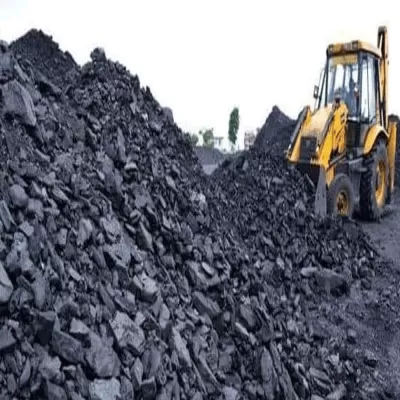
India has witnessed a substantial 17 per cent year-on-year reduction in coal import volumes due to escalating prices, according to the latest data. The report, featured in the LSEG Workspace edition, highlights the economic challenges posed by the surge in coal prices.

The decline in coal imports reflects the impact of the global energy market dynamics on India's coal sector. Rising prices have prompted a strategic shift, with the nation exploring alternative measures to meet its energy needs. This reduction in imports signifies a concerted effort to navigate the economic landscape while prioritising cost-effectiveness and sustainability.

The data underscores the importance of monitoring and adapting to fluctuations in global commodity prices, as they directly influence the economic decisions of nations heavily reliant on energy imports. India's response to the changing coal market landscape aligns with its commitment to optimising resource utilisation and exploring avenues for energy independence.

As the country grapples with the economic implications of reduced coal imports, the situation emphasises the need for a comprehensive energy strategy that considers both domestic production and international market dynamics. The data suggests that India is actively recalibrating its energy portfolio to address the challenges posed by the evolving global energy landscape.

India has witnessed a substantial 17 per cent year-on-year reduction in coal import volumes due to escalating prices, according to the latest data. The report, featured in the LSEG Workspace edition, highlights the economic challenges posed by the surge in coal prices. The decline in coal imports reflects the impact of the global energy market dynamics on India's coal sector. Rising prices have prompted a strategic shift, with the nation exploring alternative measures to meet its energy needs. This reduction in imports signifies a concerted effort to navigate the economic landscape while prioritising cost-effectiveness and sustainability. The data underscores the importance of monitoring and adapting to fluctuations in global commodity prices, as they directly influence the economic decisions of nations heavily reliant on energy imports. India's response to the changing coal market landscape aligns with its commitment to optimising resource utilisation and exploring avenues for energy independence. As the country grapples with the economic implications of reduced coal imports, the situation emphasises the need for a comprehensive energy strategy that considers both domestic production and international market dynamics. The data suggests that India is actively recalibrating its energy portfolio to address the challenges posed by the evolving global energy landscape.

Next Story
Infrastructure Transport

Tunnelling Begins for Thane, Borivali twin tunnel project

Tunnelling work has commenced for the 11.84-km Thane–Borivali Twin Tunnel, set to be India’s longest urban road tunnel, marking a key milestone in Mumbai’s infrastructure development.As per a post shared by Mumbai Metropolitan Region Development Authority on social media platform X, the tunnel boring machine (TBM) ‘Nayak’—the country’s largest single-shield hard rock TBM for an urban tunnel—was launched by Devendra Fadnavis on Tuesday. The event was attended by Eknath Shinde and Sunetra Pawar, among other dignitaries. A second TBM, ‘Arjuna’, is expected to be launched so..

Next Story
Infrastructure Transport

Large Format Store Planned At M G Road Metro Station

M G Road station in Bengaluru is set to host the city’s first large-format commercial and experience space, with planning led by Bangalore Metro Rail Corporation Limited. BMRCL has invited proposals to develop and operate a central business district destination at the Purple?Pink Line interchange. The plan positions the station as a commercial hub designed to serve a broad commuter base across the city. The proposal is part of a broader effort to activate transit nodes commercially. Tender documents set a minimum monthly rental of Rs 0.944 million (mn), inclusive of GST, for the large-format..

Next Story
Infrastructure Energy

Government Cancels Auction Of Eleven Critical Mineral Blocks

The government has cancelled the auction of 11 critical and strategic mineral blocks after receiving a poor investor response and failing to attract a sufficient number of qualified bidders. The decision represents a setback to plans to ramp up domestic exploration and production of critical minerals amid global supply chain disruptions and rising demand for materials used in clean energy and advanced technologies. The mines ministry issued an annulment notice setting out the reasons for the cancellations. The annulment notice indicated that the auction process for five mineral blocks was canc..

Advertisement

Subscribe to Our Newsletter

Get daily newsletters around different themes from Construction world.

STAY CONNECTED

Advertisement

Advertisement

Advertisement