India's Thermal Coal Imports Fall To Four Year Low As Green Power Rises
COAL & MINING

India's Thermal Coal Imports Fall To Four Year Low As Green Power Rises

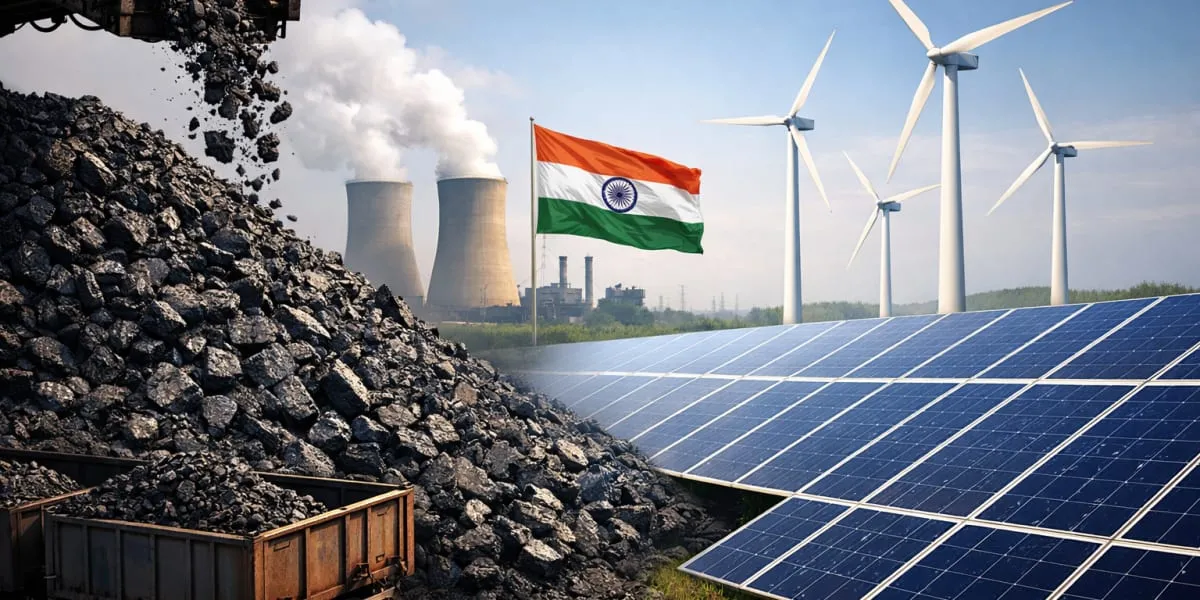
India's imports of thermal coal have fallen to a four-year low as the expansion of renewable power and stronger domestic production reduced the need for shipments. The decline has been observed across several months and reflects shifting demand patterns among utilities and industry. Officials and market participants have linked the change to policy support for cleaner generation and improved coal logistics.

Renewable capacity additions, particularly solar and wind, have accelerated and boosted generation from non-fossil sources. Megawatt (MW) measures of new capacity show larger increments in recent years, changing the overall supply mix. Grid operators have integrated a growing share of intermittent generation while adjusting dispatch of thermal plants. Policy incentives and auctions have helped lower costs.

At the same time, domestic coal output and improved rail movements have reduced bottlenecks that once forced heavy reliance on imports. Power producers have drawn down imported coal contracts and increased use of local supplies where quality and logistics permit. The combined effect has been to lower import volumes and ease pressure on port handling.

The moderation in imports has implications for the trade balance and for energy security planning. Lower shipments can ease fiscal and currency pressures tied to fuel bills while prompting reassessment of investment in domestic mining and logistics. Policymakers continue to weigh how to balance affordability, reliability and decarbonisation goals. The trend also affects fuel procurement strategies of major utilities.

Industry participants have emphasised the need for continued investment in transmission and storage to accommodate higher renewable shares and to sustain reductions in coal imports. Maintaining flexibility in thermal fleets and upgrades to coal supply chains remains important as the energy transition proceeds. Continued focus on maintenance of thermal units will support reliability. The evolving mix underlines an ongoing shift in India’s power sector landscape.

"Join industry leaders at RAHSTA Expo, India's premier platform for roads, highways and traffic infrastructure. Register now to explore innovations, network with experts and shape the future of mobility."

India's imports of thermal coal have fallen to a four-year low as the expansion of renewable power and stronger domestic production reduced the need for shipments. The decline has been observed across several months and reflects shifting demand patterns among utilities and industry. Officials and market participants have linked the change to policy support for cleaner generation and improved coal logistics. Renewable capacity additions, particularly solar and wind, have accelerated and boosted generation from non-fossil sources. Megawatt (MW) measures of new capacity show larger increments in recent years, changing the overall supply mix. Grid operators have integrated a growing share of intermittent generation while adjusting dispatch of thermal plants. Policy incentives and auctions have helped lower costs. At the same time, domestic coal output and improved rail movements have reduced bottlenecks that once forced heavy reliance on imports. Power producers have drawn down imported coal contracts and increased use of local supplies where quality and logistics permit. The combined effect has been to lower import volumes and ease pressure on port handling. The moderation in imports has implications for the trade balance and for energy security planning. Lower shipments can ease fiscal and currency pressures tied to fuel bills while prompting reassessment of investment in domestic mining and logistics. Policymakers continue to weigh how to balance affordability, reliability and decarbonisation goals. The trend also affects fuel procurement strategies of major utilities. Industry participants have emphasised the need for continued investment in transmission and storage to accommodate higher renewable shares and to sustain reductions in coal imports. Maintaining flexibility in thermal fleets and upgrades to coal supply chains remains important as the energy transition proceeds. Continued focus on maintenance of thermal units will support reliability. The evolving mix underlines an ongoing shift in India’s power sector landscape.

Next Story
Infrastructure Energy

Centre Prioritising Energy Security With Coal Gasification

Union minister for Coal and Mines G Kishan Reddy said the Centre is prioritising energy security through a strategic shift to coal gasification and has announced incentives totalling Rs 460 billion (bn) to support the effort. He said more than 35 companies will start coal gasification activities in India within two months and that the government is encouraging firms that bring technology to close the domestic technology gap. The minister described the initiative as aimed at reducing import dependence and developing indigenous capacity. India has the fifth-largest coal reserve in the world, and..

Next Story
Infrastructure Urban

BHEL and Coal India Invest Rs 250 bn in Odisha Gasification

Bharat Heavy Electricals (BHEL) and Coal India (CIL) are jointly investing Rs 250 billion in a coal gasification project in Odisha, with the Prime Minister laying the foundation stone in Jharsuguda. Union Coal and Mines Minister G Kishan Reddy described the initiative as a transformative shift in coal utilisation that will open industrial avenues for the state. The project moves coal beyond conventional power generation to industrial feedstocks. Coal gasification will convert coal into synthesis gas, a versatile feedstock for chemicals, fertilisers and synthetic fuels, and the technology is ex..

Next Story
Infrastructure Energy

BCCL Hands Over Dugdha Coal Washery To JSW Steel

Bharat Coking Coal has handed over the Dugdha Coal Washery to JSW Steel, marking the first coal washery asset monetisation under the Ministry of Coal's asset monetisation programme. The handover took place in the presence of senior officials from Bharat Coking Coal Ltd, JSW Steel and JSW Energy. The washery has a capacity of two million tonnes per annum (mn t per annum), and its transfer is intended to introduce private sector practices into coal beneficiation operations. The monetisation is aimed at modernising coal sector assets, improving operational efficiency and enhancing resource utilis..

Advertisement

Subscribe to Our Newsletter

Get daily newsletters around different themes from Construction world.

STAY CONNECTED

Advertisement

Advertisement

Advertisement