Nearly a Third of India's Coal Power Plants Have Critical Low Fuel Stocks
COAL & MINING

Nearly a Third of India's Coal Power Plants Have Critical Low Fuel Stocks

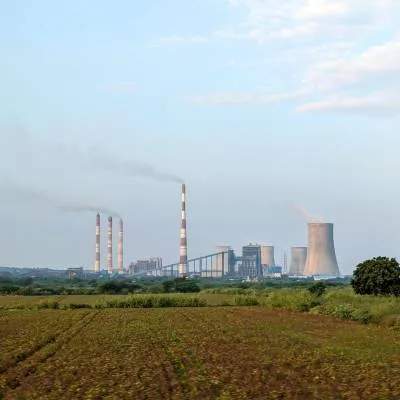
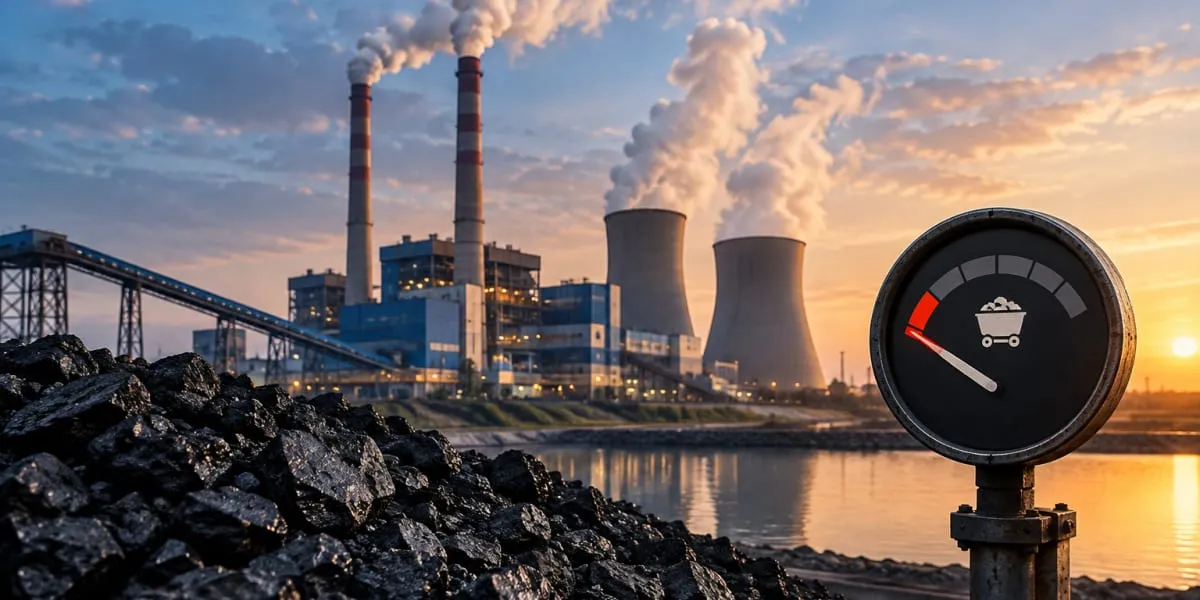
Nearly a third of India’s coal-fired power plants were operating with critically low fuel stocks as of September 9, even as government measures to increase supplies sought to keep pace with elevated electricity demand. Prolonged hot weather has increased cooling requirements across the country.

India’s peak power demand has remained close to the record 270.70 GW reached in May. Demand stood at about 267 GW on each of the previous few days, reflecting sustained pressure on the power system amid an El Niño weather pattern.

Data from the Central Electricity Authority showed that the number of plants with critical coal inventories rose to 59 on September 9 from 45 at the end of August. The category covers facilities holding less than 25 per cent of the required stock or having enough coal to generate electricity for fewer than three days.

The increase has raised concerns about the reliability of coal-fired generation, particularly as clean energy sources are meeting a large share of daytime demand but cannot fully offset the system’s storage limitations. Insufficient battery capacity and lower water reservoir levels are adding pressure to thermal power stations, according to energy analysts.

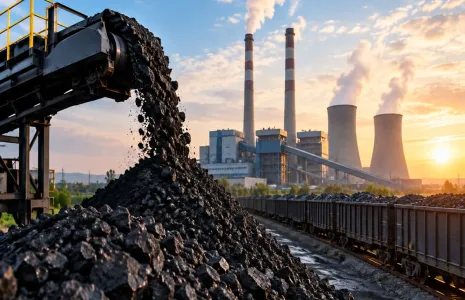
The government deployed 444 coal trains, or rakes, on September 6, compared with 370 on September 3, to improve deliveries to power plants. Coal India and its subsidiaries have also increased shipments by road. The company said it continued to hold about 76 mn t of coal at its pitheads, describing the inventory as adequate.

The immediate requirement is to maintain regular coal flows to utilities through the rail network and prevent stock levels from falling further. With demand remaining near historic highs, any disruption in fuel movement could increase pressure on electricity generation during periods of intense heat.

Nearly a third of India’s coal-fired power plants were operating with critically low fuel stocks as of September 9, even as government measures to increase supplies sought to keep pace with elevated electricity demand. Prolonged hot weather has increased cooling requirements across the country. India’s peak power demand has remained close to the record 270.70 GW reached in May. Demand stood at about 267 GW on each of the previous few days, reflecting sustained pressure on the power system amid an El Niño weather pattern. Data from the Central Electricity Authority showed that the number of plants with critical coal inventories rose to 59 on September 9 from 45 at the end of August. The category covers facilities holding less than 25 per cent of the required stock or having enough coal to generate electricity for fewer than three days. The increase has raised concerns about the reliability of coal-fired generation, particularly as clean energy sources are meeting a large share of daytime demand but cannot fully offset the system’s storage limitations. Insufficient battery capacity and lower water reservoir levels are adding pressure to thermal power stations, according to energy analysts. The government deployed 444 coal trains, or rakes, on September 6, compared with 370 on September 3, to improve deliveries to power plants. Coal India and its subsidiaries have also increased shipments by road. The company said it continued to hold about 76 mn t of coal at its pitheads, describing the inventory as adequate. The immediate requirement is to maintain regular coal flows to utilities through the rail network and prevent stock levels from falling further. With demand remaining near historic highs, any disruption in fuel movement could increase pressure on electricity generation during periods of intense heat.

Related Stories

Gold Stories

Next Story
Equipment

Enerpac launches battery and diesel-powered split-flow pumps

Enerpac has introduced two split-flow pump series for multi-point lifting and skidding applications, particularly at remote industrial sites and locations with limited access to conventional power sources.The new SFP-B Series is battery-powered, while the SFP-D Series runs on diesel. Both operate at pressures of up to 700 bar and are designed to simplify equipment setup and provide greater control during lifting operations.The SFP-B Series offers up to 75 minutes of runtime at full capacity and has four outlets for multi-point lifting. Its 150-litre oil reservoir supports demanding application..

Next Story
Infrastructure Urban

Electromech Infraprojects Files DRHP for Rs 3.26 Billion IPO

Electromech Infraprojects has filed its Draft Red Herring Prospectus (DRHP) with the Securities and Exchange Board of India (SEBI) for a proposed initial public offering (IPO). The offering comprises a fresh issue of equity shares aggregating up to Rs 3.26 billion and an offer for sale of up to 1.89 million equity shares by existing shareholders. The shares have a face value of Rs 5 each.The Mumbai-based company provides mechanical, electrical and plumbing (MEP) solutions for data centres, Global Capability Centres (GCCs), and commercial and industrial projects. Its services cover technical de..

Next Story
Real Estate

Dubai South Home Sales Rise 27% Above 2025 Total: Anarock

Dubai South recorded 12,428 residential property transactions between January and August 2026, surpassing the 9,788 transactions registered during the whole of 2025 by 27 per cent, according to Anarock Research's Dubai South Residential Micro-Market Report. Residential sales value reached AED 15.9 billion during the eight-month period, representing 81 per cent of the AED 19.6 billion recorded in 2025.The report highlights significant growth in Dubai South's residential market, with annual sales value increasing from AED 720 million in 2020 to AED 19.6 billion in 2025. Transaction volumes also ..

Advertisement

Subscribe to Our Newsletter

Get daily newsletters around different themes from Construction world.

STAY CONNECTED

Advertisement

SPECIAL OFFER
QR Code