India’s thermal power capacity demand seen at 307 GW by 2035: Goyal
POWER & RENEWABLE ENERGY

India’s thermal power capacity demand seen at 307 GW by 2035: Goyal

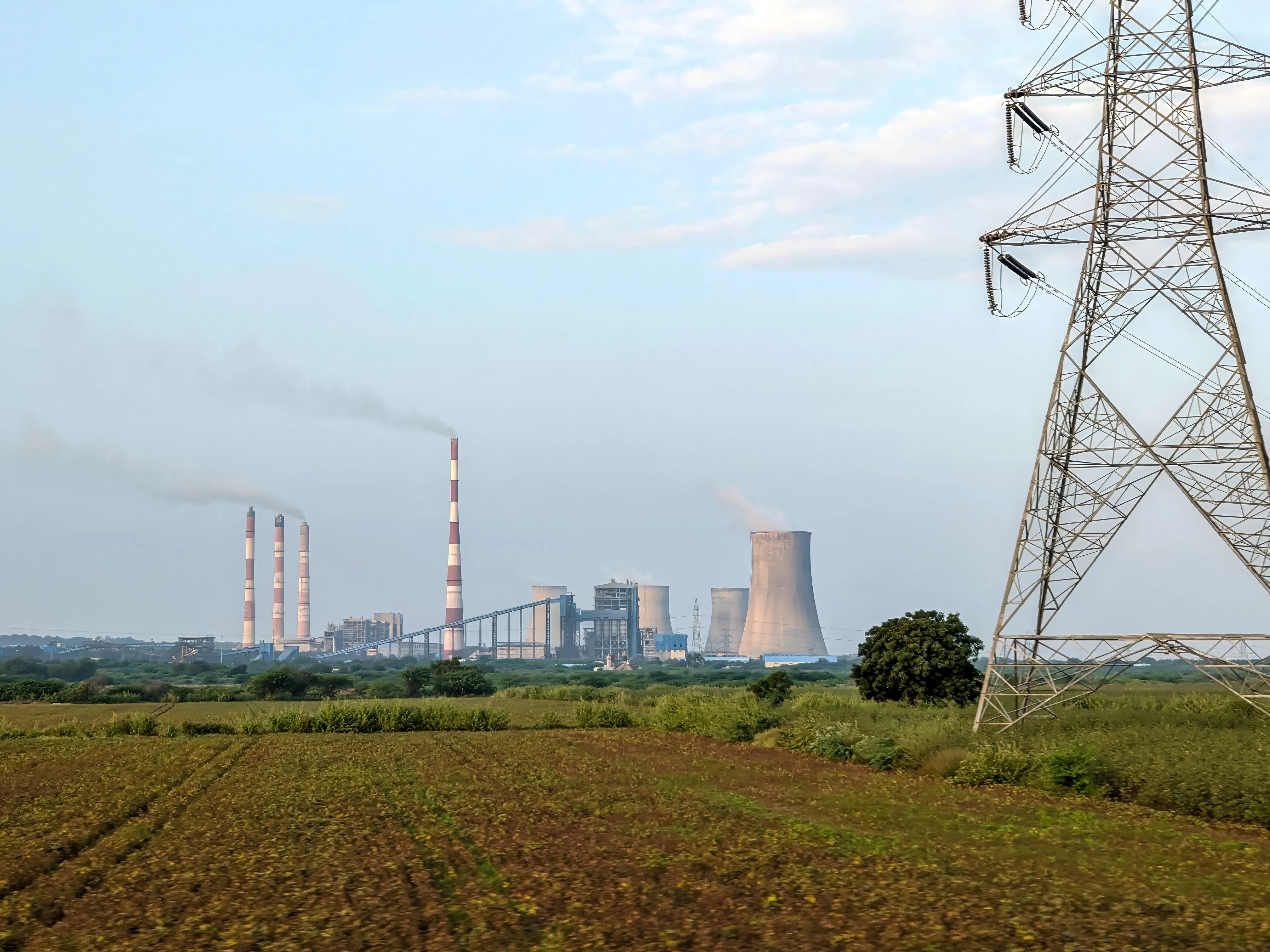
India’s thermal power requirement is projected to rise sharply to 307 gigawatts (GW) by 2035, reflecting the country’s sustained efforts to meet growing energy demand, Union Minister for Commerce Piyush Goyal said.

Responding to a question from The Hindu, Piyush Goyal, Union Minister for Commerce, said the government is making continuous progress to strengthen India’s power generation capacity and ensure reliable energy availability for the country’s expanding economy. Speaking to reporters on December 15, 2025, he highlighted the pace at which new capacity is being added and contracts are being awarded in the thermal power segment.

According to the minister, India commissioned 7.2 GW of thermal power capacity during the previous financial year (FY2025). In the same period, contracts worth 26.3 GW were awarded, underscoring a strong pipeline of upcoming projects. The momentum has continued into the current financial year, with contracts for 13.3 GW of thermal power capacity already awarded so far.

“You can see the speed with which we are growing our capacity to meet the needs of India and all Indians,” Piyush Goyal, Union Minister for Commerce, said.

The projected increase to 307 GW by 2035 comes amid rising electricity consumption driven by industrial growth, urbanisation, infrastructure development and increasing household demand. While India continues to expand renewable energy capacity, thermal power remains a critical component of the country’s energy mix, providing base-load power and grid stability.

Government data and recent project awards indicate a balanced approach toward meeting future demand, with emphasis on timely commissioning, improved efficiency and modernisation of existing assets. The steady flow of awarded contracts also signals continued investment interest in the power sector.

Industry observers note that the accelerated pace of capacity addition will play a key role in supporting economic growth while ensuring energy security, even as India advances its long-term transition toward cleaner and more sustainable energy sources.
News source: The Hindu

India’s thermal power requirement is projected to rise sharply to 307 gigawatts (GW) by 2035, reflecting the country’s sustained efforts to meet growing energy demand, Union Minister for Commerce Piyush Goyal said.Responding to a question from The Hindu, Piyush Goyal, Union Minister for Commerce, said the government is making continuous progress to strengthen India’s power generation capacity and ensure reliable energy availability for the country’s expanding economy. Speaking to reporters on December 15, 2025, he highlighted the pace at which new capacity is being added and contracts are being awarded in the thermal power segment.According to the minister, India commissioned 7.2 GW of thermal power capacity during the previous financial year (FY2025). In the same period, contracts worth 26.3 GW were awarded, underscoring a strong pipeline of upcoming projects. The momentum has continued into the current financial year, with contracts for 13.3 GW of thermal power capacity already awarded so far.“You can see the speed with which we are growing our capacity to meet the needs of India and all Indians,” Piyush Goyal, Union Minister for Commerce, said.The projected increase to 307 GW by 2035 comes amid rising electricity consumption driven by industrial growth, urbanisation, infrastructure development and increasing household demand. While India continues to expand renewable energy capacity, thermal power remains a critical component of the country’s energy mix, providing base-load power and grid stability.Government data and recent project awards indicate a balanced approach toward meeting future demand, with emphasis on timely commissioning, improved efficiency and modernisation of existing assets. The steady flow of awarded contracts also signals continued investment interest in the power sector.Industry observers note that the accelerated pace of capacity addition will play a key role in supporting economic growth while ensuring energy security, even as India advances its long-term transition toward cleaner and more sustainable energy sources.News source: The Hindu

Next Story
Infrastructure Urban

Runaya–ECKART JV Launches India’s First Gas-Atomised Al Unit

Runaya Metsource and Germany-based ECKART have announced the launch of their joint venture facility, Runaya Eckart Aluminium Powders Private Limited (REL), in Jharsuguda, Odisha, marking the establishment of India’s first plant for manufacturing green, spherical gas-atomised aluminium powders.The facility will produce high-precision aluminium powders for advanced applications across aviation, aerospace, space exploration, solar technology, process catalyst industries and effect pigments. These fine spherical powders, which were previously fully imported into India, represent a significant mi..

Next Story
Infrastructure Urban

Tamil Nadu Extends 100% EV Road Tax Exemption Till 2027

The Tamil Nadu government has extended the 100% road tax exemption for battery-operated electric vehicles for another two years, reinforcing its efforts to sustain momentum in EV adoption across the state.According to a government order issued on December 29, the tax exemption has been extended for all categories of battery-operated vehicles, including both transport and non-transport vehicles, from January 1, 2026, to December 31, 2027. The move ensures continuity of fiscal incentives as electric vehicle penetration continues to rise in the state.The decision follows sustained representations..

Next Story
Infrastructure Energy

Coal India Arm BCCL Targets 54 MT Output, Rs 200 Bn by FY30

Bharat Coking Coal (BCCL), a subsidiary of Coal India, plans to scale up its coking coal production to 54 million tonnes by FY 2029–30, with the bulk of incremental supplies earmarked for the steel sector. The expansion is expected to drive the company’s revenue close to Rs 200 billion by the end of the decade, senior officials said.The production push aligns with India’s broader objective of achieving a national coking coal output target of 140 million tonnes to reduce dependence on imports. BCCL currently produces around 40.5 million tonnes of coking coal and contributes nearly 58.5 pe..

Advertisement

Subscribe to Our Newsletter

Get daily newsletters around different themes from Construction world.

STAY CONNECTED

Advertisement

Advertisement

Advertisement

Advertisement

Open In App