


SC Bans Sand Mining by 82 Leaseholders in Rajasthan
COAL & MINING

SC Bans Sand Mining by 82 Leaseholders in Rajasthan

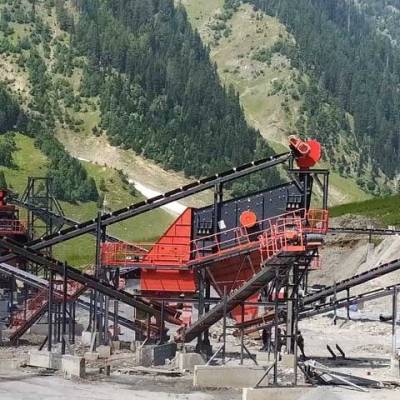
The mining department has begun a process to find 100 hectares of sand mining blocks for auction around the state. Because more than 25 existing leases would expire by the end of the year, the mining department has been tasked with preparing the detailed project report (DPR) after earmarking the blocks.

An official informed, “Like masonry stone mines, 100 hectare sand mines leases will be auctioned in the state. The survey will be completed in four months and blocks will be put under hammer. The survey process is slow at the moment as there is water over the riverbed.”

After auctioning off mining blocks in each area, the decision was made to increase sand availability and combat unlawful mining. According to a senior mining authority, “As per the proposal, one lease will be allotted in each district. This time, the department will auction sand mining blocks.”

According to reports, 32 mining leases out of a total of 82 were made operative for excavation for 13 months following Supreme Court orders. At least ten leases have expired in Jalore, Tonk, and Jodhpur.

Many believe that if a fast decision is not made, the mafia will thrive once more. According to a trade participant, the government should complete the documentation for the lease auctions before implementing the model code of conduct to ensure that the illegal sand mafia does not thrive again in the future.

“In Jaipur, major supply of bajri comes from Tonk, Deoli and Niwai and its lease are expexted to expire in October, and November, respectively. Before the election year, the government should expedite the process. This will keep the mafia at Bay. At present mafia in many areas continue to excavate bajri and selling it at higher rates, hitting both legitimate traders and residents, where leases are not started,” he said.

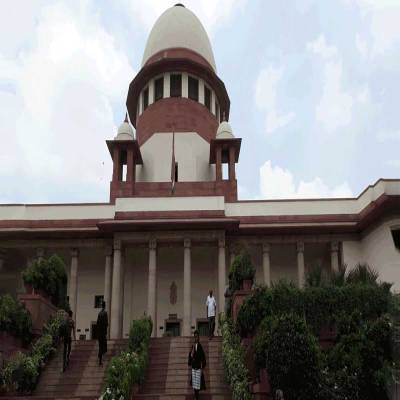
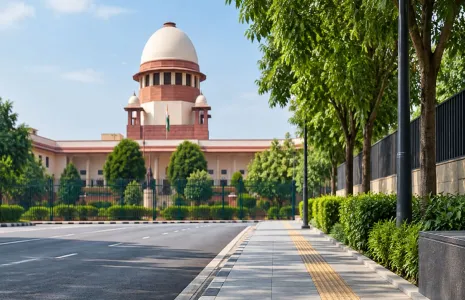
On November 16, 2017, the Supreme Court enjoined 82 big leaseholders in the state from mining riverbed sand. Mining was prohibited until a scientific replenishment study was finished and clearance was granted by the Ministry of Environment and Forest. The Supreme Court later formed a Central Empowered Committee [CEC] to investigate illicit sand mining.

See also:
Bihar government begins environmental audit of sand ghats
Tamil Nadu govt sets 1,000 per unit as basic cost of sand


The mining department has begun a process to find 100 hectares of sand mining blocks for auction around the state. Because more than 25 existing leases would expire by the end of the year, the mining department has been tasked with preparing the detailed project report (DPR) after earmarking the blocks. An official informed, “Like masonry stone mines, 100 hectare sand mines leases will be auctioned in the state. The survey will be completed in four months and blocks will be put under hammer. The survey process is slow at the moment as there is water over the riverbed.” After auctioning off mining blocks in each area, the decision was made to increase sand availability and combat unlawful mining. According to a senior mining authority, “As per the proposal, one lease will be allotted in each district. This time, the department will auction sand mining blocks.” According to reports, 32 mining leases out of a total of 82 were made operative for excavation for 13 months following Supreme Court orders. At least ten leases have expired in Jalore, Tonk, and Jodhpur. Many believe that if a fast decision is not made, the mafia will thrive once more. According to a trade participant, the government should complete the documentation for the lease auctions before implementing the model code of conduct to ensure that the illegal sand mafia does not thrive again in the future. “In Jaipur, major supply of bajri comes from Tonk, Deoli and Niwai and its lease are expexted to expire in October, and November, respectively. Before the election year, the government should expedite the process. This will keep the mafia at Bay. At present mafia in many areas continue to excavate bajri and selling it at higher rates, hitting both legitimate traders and residents, where leases are not started,” he said. On November 16, 2017, the Supreme Court enjoined 82 big leaseholders in the state from mining riverbed sand. Mining was prohibited until a scientific replenishment study was finished and clearance was granted by the Ministry of Environment and Forest. The Supreme Court later formed a Central Empowered Committee [CEC] to investigate illicit sand mining. See also: Bihar government begins environmental audit of sand ghatsTamil Nadu govt sets 1,000 per unit as basic cost of sand

Related Stories

Gold Stories
Next Story
Infrastructure Urban

KONE Opens India's First Digital Experience Centre in Pune

KONE, a global elevator and escalator manufacturer, has inaugurated its first Digital Experience Centre (DEC) in India, located in Pune. The facility aims to showcase how artificial intelligence (AI), connectivity and data-driven technologies can enhance customer experiences and improve building operations.The centre was inaugurated by Jussi Herlin, Executive Vice Chair, KONE Corporation; Philippe Delorme, President and CEO, KONE; and Nandan Nilekani, Co-founder and Chairman of the Board, Infosys.Designed as an interactive customer environment, the facility demonstrates digital solutions cover..

Next Story
Infrastructure Urban

CII GreenCo Launches Circularity Guidelines for Indian Industry

The Confederation of Indian Industry (CII) GreenCo Council has launched the CII GreenCo Circularity Guidelines – Pilot Version at the 17th CII GreenCo Waste & Resource Management Summit 2026 in Chennai. The initiative aims to strengthen resource efficiency, waste reduction and circular economy practices across Indian manufacturing and process industries.The guidelines introduce a structured framework with circularity indices covering raw materials, consumables, packaging and other resource inputs. These indicators will help industries assess existing practices, identify opportunities to ..

Next Story
Infrastructure Energy

Global Electronics Association Launches IPC-1783-CO2E Standard

The Global Electronics Association has introduced IPC-1783-CO2E, a new international standard aimed at improving consistency, transparency and comparability in product carbon footprint reporting across the electronics manufacturing industry.The standard, titled International Standard for Data Collection and Reporting of CO2 Equivalent (CO2e) Emissions for the Electronics Manufacturing Supply Chain, provides industry-specific guidance for collecting, estimating and reporting carbon emissions data.With increasing regulatory requirements and customer expectations, electronics manufacturers face c..

Advertisement

Subscribe to Our Newsletter

Get daily newsletters around different themes from Construction world.

STAY CONNECTED

Advertisement

SPECIAL OFFER
QR Code