



Tamil Nadu: CRH to repurpose old coal plants
COAL & MINING

Tamil Nadu: CRH to repurpose old coal plants

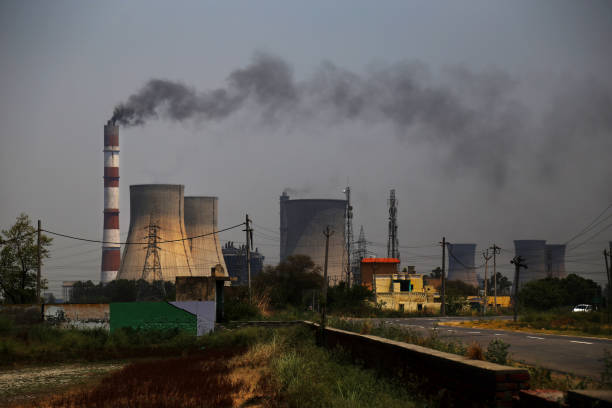
Tamil Nadu Generation and Distribution Corporation (Tangedco), depending on thermal power to meet the energy demand in peak hours, has thermal plants that contribute substantially to environmental pollution.

The State and the central thermal stations have a thermal capacity of 9,000 MW with plants of almost 4,000 MW capacity which are old and operating at half the plant load factor (PLF).

Currently, the State is facing a severe financial crunch but has the mandate to repurpose old thermal plants by 2024 according to the notification of the Ministry of Environment, Forest and Climate Change. The Climate Risk Horizons (CRH) did a study to quantify the financial benefits of closing old thermal plants and replacing them with solar plants.

The CRH research report, ‘Financial benefits of repurposing Tamil Nadu’s old coal plants’, prepared by Gireesh Shrimali and Abhinav Jindal of Oxford University, quantified the comparative financial costs, of the decommissioning old thermal plants and reutilising the land and the thermal plant with solar plants and battery storage. The study comprises four thermal plants— Tuticorin I, II, and III (1,050 MW), North Chennai Stage I (630 MW), Mettur I and II (840 MW), and NLC II Stage I (1,470 MW).

The report discovered the State would benefit by repurposing old coal plants with clean energy, by over Rs 4,000 crore, while bringing stability to the electricity grid by converting the turbo generators of the thermal plants into synchronised condensers to enable reactive power.

Image Source

Also read: Coal Ministry rolls out Project Information & Management of SWCS

Tamil Nadu Generation and Distribution Corporation (Tangedco), depending on thermal power to meet the energy demand in peak hours, has thermal plants that contribute substantially to environmental pollution. The State and the central thermal stations have a thermal capacity of 9,000 MW with plants of almost 4,000 MW capacity which are old and operating at half the plant load factor (PLF). Currently, the State is facing a severe financial crunch but has the mandate to repurpose old thermal plants by 2024 according to the notification of the Ministry of Environment, Forest and Climate Change. The Climate Risk Horizons (CRH) did a study to quantify the financial benefits of closing old thermal plants and replacing them with solar plants. The CRH research report, ‘Financial benefits of repurposing Tamil Nadu’s old coal plants’, prepared by Gireesh Shrimali and Abhinav Jindal of Oxford University, quantified the comparative financial costs, of the decommissioning old thermal plants and reutilising the land and the thermal plant with solar plants and battery storage. The study comprises four thermal plants— Tuticorin I, II, and III (1,050 MW), North Chennai Stage I (630 MW), Mettur I and II (840 MW), and NLC II Stage I (1,470 MW). The report discovered the State would benefit by repurposing old coal plants with clean energy, by over Rs 4,000 crore, while bringing stability to the electricity grid by converting the turbo generators of the thermal plants into synchronised condensers to enable reactive power. Image Source Also read: Coal Ministry rolls out Project Information & Management of SWCS

Next Story
Infrastructure Transport

Railways Boosts Cyber Security And Fairness In Ticket Bookings

Indian Railways has said its reservation ticketing system is a robust and highly secure IT platform equipped with state-of-the-art cyber security measures. The national transporter has introduced several initiatives to enhance system performance and improve access to regular and tatkal tickets. A key step has been the large-scale revalidation and verification of user accounts. Since January 2025, around 30.2 million suspicious user IDs have been deactivated. Anti-bot tools such as Akamai have been deployed to filter non-genuine users, ensuring smoother booking for legitimate passengers. To c..

Next Story
Infrastructure Transport

Indian Railways Speeds Up Green Transition With Wider Electrification

Indian Railways is accelerating its modernisation drive by upgrading infrastructure and rolling stock with advanced technologies aimed at enhancing safety, punctuality, reliability and passenger comfort. A major focus of this effort is the transition to cleaner traction systems, with a significant reduction in the use of coal-based and diesel engines. Electrification has been taken up in mission mode. As of now, 99.2 per cent of the Broad Gauge (BG) network has been electrified, with the remaining routes under execution. During 2014–25, Railways electrified 46,900 route kilometres, compared..

Next Story
Infrastructure Energy

Centre Strengthens Cybersecurity Framework Across India’s Power Sector

The POWERGRID Centre of Excellence (CoE) in Cybersecurity has been established at the Indian Institute of Science (IISc), Bengaluru to advance research and development in cybersecurity for power grid operations and transmission systems. The initiative is part of India’s broader effort to build a resilient and secure power ecosystem. To strengthen cyber readiness across the sector, the Central Electricity Authority (CEA) issued the Cyber Security in Power Sector Guidelines, 2021, creating a comprehensive cyber assurance framework and governance structure for all power entities. Further, the ..

Advertisement

Subscribe to Our Newsletter

Get daily newsletters around different themes from Construction world.

STAY CONNECTED

Advertisement

Advertisement

Advertisement

Advertisement

Open In App