Adani Total Gas Raises Industrial Prices Amid West Asia Conflict
OIL & GAS

Adani Total Gas Raises Industrial Prices Amid West Asia Conflict

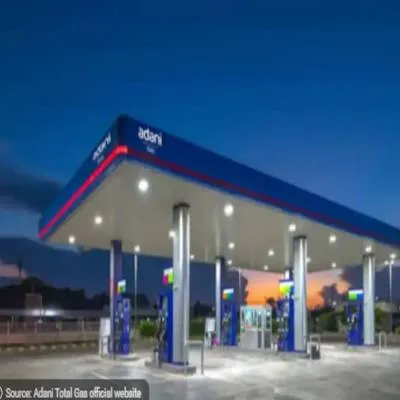
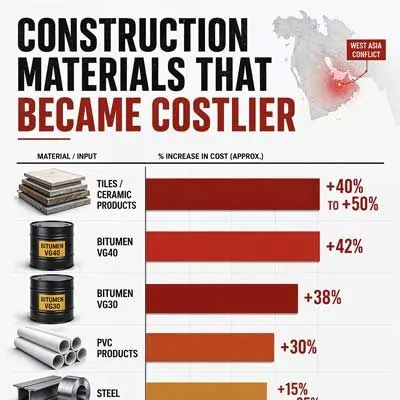
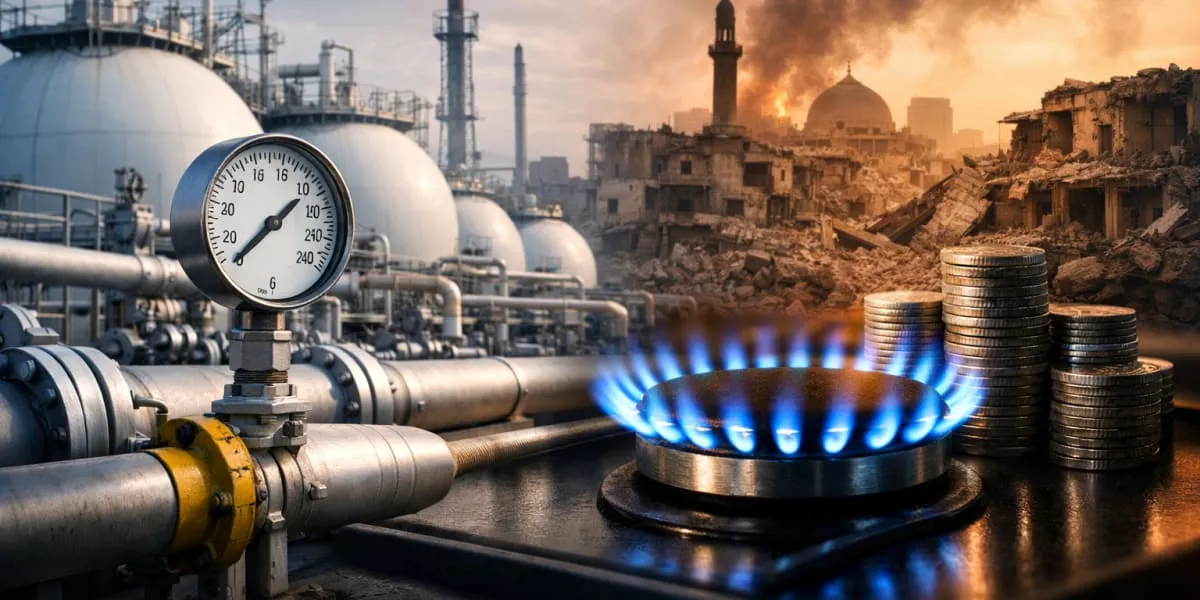
Adani Total Gas (ATGL) has sharply increased prices for supplies to industrial clients, citing reduced availability of gas amid conflict in West Asia. The company said the move responds to upstream curtailment and operational constraints that have affected its ability to meet contracted volumes. The change affects volumes consumed over and above the 40 per cent daily contract quantity.

ATGL raised the tariff to Rs119 per standard cubic metre for consumption beyond the 40 per cent threshold, up from around Rs40 per standard cubic metre previously. The notice described the adjustment as necessary because of disruptions to liquefied natural gas supply routes. The pricing change was applied from Tuesday, according to the customer notice. The company communicated the change through a customer notice that reached several industrial clients.

Company sources and the notice linked the supply disruption to attacks on Iran and subsequent retaliatory strikes, which have disrupted transit through the Strait of Hormuz between Iran and Oman. The transit corridor carries around one-fifth of global oil consumption and significant quantities of liquefied natural gas, and several vessels in the area were reported hit, leading to near-halt movements. ATGL attributed the curtailment to recent geopolitical developments impacting LNG supply routes. Any sustained shortfall could necessitate prioritising customers under existing allocation frameworks.

The increased price for marginal consumption is expected to raise costs for industrial users that exceed contracted daily quantities and may prompt customers to reassess consumption or seek alternate arrangements. The joint venture of Adani Group and the French oil major TotalEnergies has not been available for further comment beyond the notice. Market participants will monitor how sustained upstream curtailment influences domestic gas allocations and industrial supply contracts. Analysts will assess whether the adjustment is transitory or requires longer term amendments to supply agreements, and the notice did not quantify a timeline.

Adani Total Gas (ATGL) has sharply increased prices for supplies to industrial clients, citing reduced availability of gas amid conflict in West Asia. The company said the move responds to upstream curtailment and operational constraints that have affected its ability to meet contracted volumes. The change affects volumes consumed over and above the 40 per cent daily contract quantity. ATGL raised the tariff to Rs119 per standard cubic metre for consumption beyond the 40 per cent threshold, up from around Rs40 per standard cubic metre previously. The notice described the adjustment as necessary because of disruptions to liquefied natural gas supply routes. The pricing change was applied from Tuesday, according to the customer notice. The company communicated the change through a customer notice that reached several industrial clients. Company sources and the notice linked the supply disruption to attacks on Iran and subsequent retaliatory strikes, which have disrupted transit through the Strait of Hormuz between Iran and Oman. The transit corridor carries around one-fifth of global oil consumption and significant quantities of liquefied natural gas, and several vessels in the area were reported hit, leading to near-halt movements. ATGL attributed the curtailment to recent geopolitical developments impacting LNG supply routes. Any sustained shortfall could necessitate prioritising customers under existing allocation frameworks. The increased price for marginal consumption is expected to raise costs for industrial users that exceed contracted daily quantities and may prompt customers to reassess consumption or seek alternate arrangements. The joint venture of Adani Group and the French oil major TotalEnergies has not been available for further comment beyond the notice. Market participants will monitor how sustained upstream curtailment influences domestic gas allocations and industrial supply contracts. Analysts will assess whether the adjustment is transitory or requires longer term amendments to supply agreements, and the notice did not quantify a timeline.

Next Story
Equipment

MYCRANE Crosses 1,000 Customers in India

MYCRANE, the global platform for crane rental and purchase, has achieved major commercial milestones in India, reinforcing the country’s position as one of its fastest-growing strategic markets. The company has surpassed 1,000 registered customers and 1,000 crane suppliers nationwide, while completing more than 100 paid orders.The growth reflects rising adoption of digital procurement solutions across India’s construction, infrastructure, energy and industrial sectors. Equipment sourced through the platform is supporting projects across the country, with several leading contractors and EPC..

Next Story
Infrastructure Urban

AMTOE 2026 Opens Global Machine Tool Sourcing Hub

The Asian Machine Tool Online Exhibition 2026 (AMTOE 2026) has officially opened as a B2B sourcing platform connecting global buyers with verified Asian suppliers across the machine tool and manufacturing sector. The exhibition will run until 31 October 2026 through a hybrid online and offline model, offering extended sourcing and business networking opportunities.Co-organised by AsianNet and TradeAsia, the event aims to strengthen links between Asian manufacturers and international importers while improving cross-border procurement efficiency and supplier matching.Since launching in 2022, AMT..

Next Story
Infrastructure Energy

Vedanta Lifts Renewable Energy Use by Over 50%

On World Earth Day, Vedanta Limited announced that its renewable energy usage rose by over 50 per cent year on year to 3.97 billion units in FY26, helping avoid 3 million tonnes of carbon dioxide emissions.The company said its portfolio of metals, minerals, power, and oil & gas continues to support advanced manufacturing, electrification, energy transition and clean technology. Aluminium, copper and silver remain critical for applications such as mobility, power transmission, renewable infrastructure and solar photovoltaics, while iron, steel and zinc continue to support energy infrastruct..

Advertisement

Subscribe to Our Newsletter

Get daily newsletters around different themes from Construction world.

STAY CONNECTED

Advertisement

Advertisement

Advertisement