bauma ConExpo Exclusive: Lubrication is evolving into an integrated solution: Shell Lubricants India
OIL & GAS

bauma ConExpo Exclusive: Lubrication is evolving into an integrated solution: Shell Lubricants India

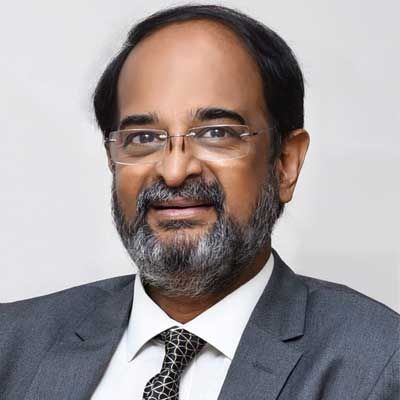
- With inputs by Amit Ghugre, Chief Technology Officer & VP – Sales, Shell Lubricants India

What were the key solutions showcased by Shell at Bauma CONEXPO India 2026?
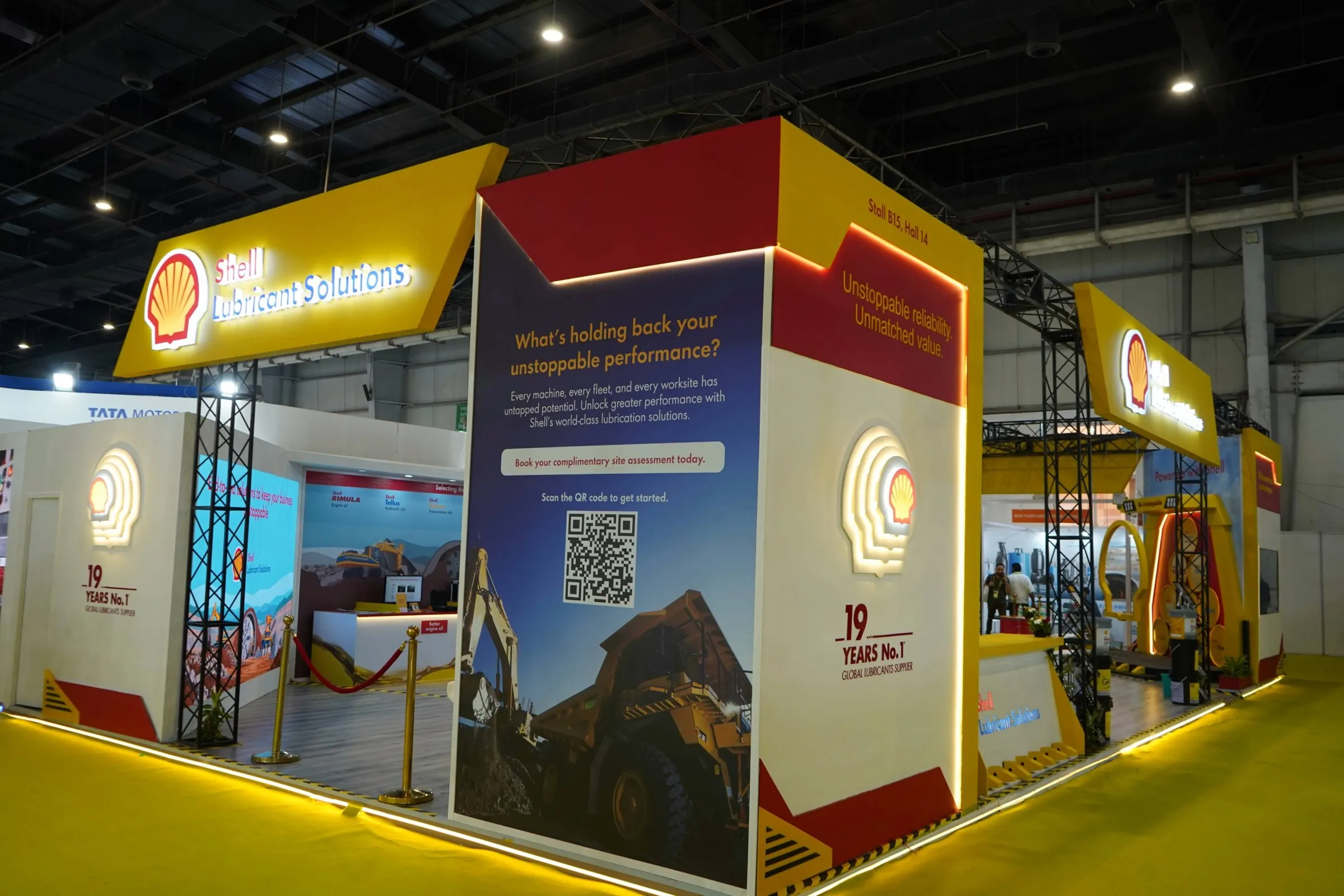
We showcased an ecosystem of lubrication products and services that goes beyond individual lubricants. Alongside engine oils, greases, transmission and gear oils, our portfolio includes solutions such as oil conditioning, filtration and predictive analytics, helping customers improve equipment performance, reliability and cost efficiency. 

A key highlight was the launch of Shell Rimula R4 Plus, a Synthetic Technology lubricant designed for demanding construction and mining operations. It offers up to 2X superior protection against corrosion, deposits and wear, along with up to 40% lower top-up requirements. 

We also showcased technology-enabled solutions such as automatic lubrication systems, Shell Lube VideoCheck and on-site lubrication bays. Together, these products and services can help customers improve equipment reliability, reduce downtime and enhance operational efficiency.

How are changing equipment and OEM requirements influencing lubricant development?
Construction and mining equipment are becoming more powerful and efficient, while operating conditions are becoming more demanding. We are seeing requirements for higher performance, heavier loads, longer drain intervals and compliance with evolving emission norms. 

With over 5,000 OEM approvals for our products, Shell works closely with OEMs globally to understand these trends and develop formulations and services that address their requirements.

How can advanced lubricants improve uptime and total cost of ownership?
We are seeing a clear shift towards synthetic lubricants as performance expectations increase. Their chemistry enables enhanced performance under demanding operating conditions.
However, the lubricant itself is only one part of the solution. Oil condition monitoring, filtration and predictive analytics are increasingly important for improving equipment performance and enabling proactive maintenance.

What is Shell’s strategy for India’s off-highway lubricant market?
India is a core market for Shell, given its scale and growth potential. We are working to translate our global OEM partnerships into solutions suited to Indian operating conditions, including customised product performance and value propositions.
Localization is also important. Our blending plant in India enables us to respond faster to customer requirements while strengthening our distribution and route-to-market capabilities helps us maintain a strong on-ground presence.

Where do you see the greater opportunity – construction or mining?
Construction is a significant opportunity, particularly given the emphasis on infrastructure development. Mining remains important, but construction is currently the larger market and therefore a key area of future opportunity.

What will be the key areas of innovation going forward?
Product performance will remain a key focus, with continued improvements in lubricant efficacy. Local manufacturing, blending and supply will also become increasingly important. The larger shift will be towards integrated lubrication systems. Customers will increasingly look for a single solution that combines lubrication, monitoring and predictive maintenance rather than managing multiple vendors. The focus will therefore move increasingly from reactive to predictive maintenance.

- With inputs by Amit Ghugre, Chief Technology Officer & VP – Sales, Shell Lubricants IndiaWhat were the key solutions showcased by Shell at Bauma CONEXPO India 2026?We showcased an ecosystem of lubrication products and services that goes beyond individual lubricants. Alongside engine oils, greases, transmission and gear oils, our portfolio includes solutions such as oil conditioning, filtration and predictive analytics, helping customers improve equipment performance, reliability and cost efficiency. A key highlight was the launch of Shell Rimula R4 Plus, a Synthetic Technology lubricant designed for demanding construction and mining operations. It offers up to 2X superior protection against corrosion, deposits and wear, along with up to 40% lower top-up requirements. We also showcased technology-enabled solutions such as automatic lubrication systems, Shell Lube VideoCheck and on-site lubrication bays. Together, these products and services can help customers improve equipment reliability, reduce downtime and enhance operational efficiency.How are changing equipment and OEM requirements influencing lubricant development?Construction and mining equipment are becoming more powerful and efficient, while operating conditions are becoming more demanding. We are seeing requirements for higher performance, heavier loads, longer drain intervals and compliance with evolving emission norms. With over 5,000 OEM approvals for our products, Shell works closely with OEMs globally to understand these trends and develop formulations and services that address their requirements.How can advanced lubricants improve uptime and total cost of ownership?We are seeing a clear shift towards synthetic lubricants as performance expectations increase. Their chemistry enables enhanced performance under demanding operating conditions.However, the lubricant itself is only one part of the solution. Oil condition monitoring, filtration and predictive analytics are increasingly important for improving equipment performance and enabling proactive maintenance.What is Shell’s strategy for India’s off-highway lubricant market?India is a core market for Shell, given its scale and growth potential. We are working to translate our global OEM partnerships into solutions suited to Indian operating conditions, including customised product performance and value propositions.Localization is also important. Our blending plant in India enables us to respond faster to customer requirements while strengthening our distribution and route-to-market capabilities helps us maintain a strong on-ground presence.Where do you see the greater opportunity – construction or mining?Construction is a significant opportunity, particularly given the emphasis on infrastructure development. Mining remains important, but construction is currently the larger market and therefore a key area of future opportunity.What will be the key areas of innovation going forward?Product performance will remain a key focus, with continued improvements in lubricant efficacy. Local manufacturing, blending and supply will also become increasingly important. The larger shift will be towards integrated lubrication systems. Customers will increasingly look for a single solution that combines lubrication, monitoring and predictive maintenance rather than managing multiple vendors. The focus will therefore move increasingly from reactive to predictive maintenance.

Related Stories

Gold Stories

Next Story
Infrastructure Urban

NDMC Approves Five Prakriti Cafés in Three Delhi Parks

The New Delhi Municipal Council (NDMC) approved the setting up of five Prakriti Cafés across three prominent parks in the capital during its council meeting on Tuesday. The locations include Lodhi Garden, Nehru Park and BRICS Garden on Shanti Path. Two cafés will be developed in Lodhi Garden, while two others will come up in Nehru Park. The remaining café is planned for BRICS Garden. The council granted in-principle approval to explore the project under the Build-Operate-Transfer (BOT) model. Under the proposed arrangement, the selected agency will develop the cafés at its own cost and man..

Next Story
Infrastructure Transport

Air India and Airbus to Build India's First Corporate SAF Programme

Air India and Airbus have partnered to develop a framework for India’s first voluntary corporate Sustainable Aviation Fuel (SAF) programme. The feasibility study will examine how businesses can reduce lifecycle emissions associated with air travel by voluntarily supporting the procurement and use of SAF. Jürgen Westermeier, President and Managing Director of Airbus India and South Asia, and P Balaji, Group Head of Governance, Risk and Compliance and Corporate Affairs at Air India, signed the Feasibility Study Agreement. The signing took place in the presence of Rammohan Naidu Kinjarapu, Min..

Next Story
Infrastructure Energy

Indian Companies to Buy US LPG from Four Firms in 2027

Indian state-run oil companies have awarded a joint tender to Saudi Aramco, Chevron, TotalEnergies Trading SA (Totsa) and Vitol for the import of about 2.75 mn t of US liquefied petroleum gas (LPG) in 2027. The contracts are intended to diversify supplies and reduce India’s reliance on the Middle East. Indian Oil, Bharat Petroleum and Hindustan Petroleum floated the tender in September. They sought four very large gas carrier (VLGC) cargoes each month on a delivered basis and one cargo each month on a free-on-board basis from the US. A VLGC typically carries about 46,000 t of LPG, which cons..

Advertisement

Subscribe to Our Newsletter

Get daily newsletters around different themes from Construction world.

STAY CONNECTED

Advertisement

SPECIAL OFFER
QR Code