CBG Plant to Make Kochi a Model for Sustainable Waste Management
OIL & GAS

CBG Plant to Make Kochi a Model for Sustainable Waste Management

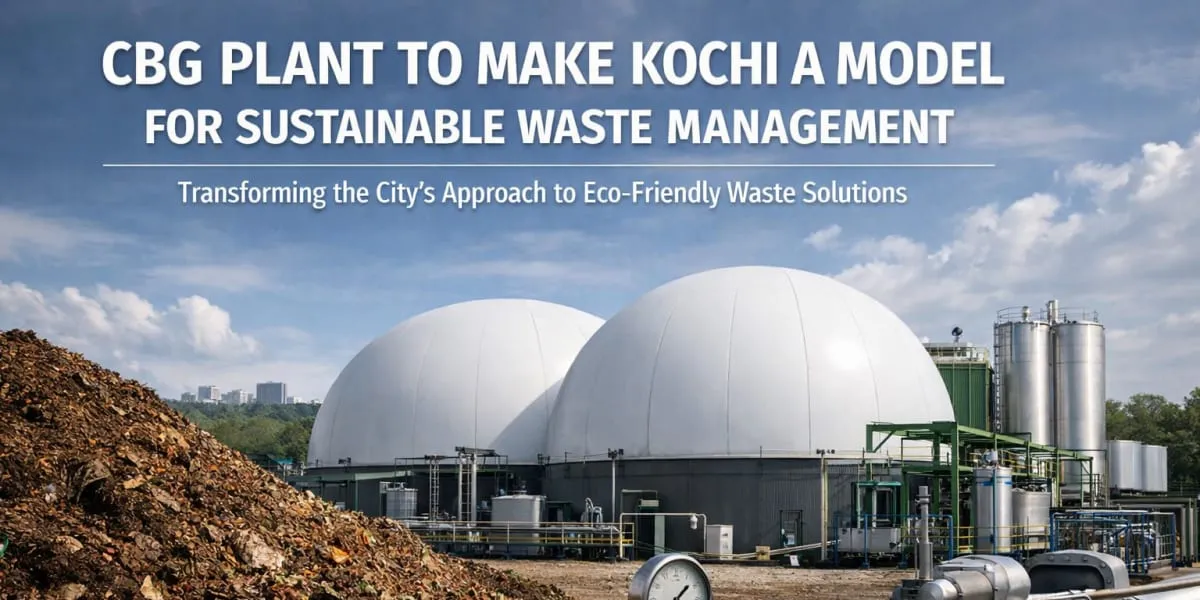
The commissioning of the compressed biogas (CBG) plant marks a transformation in Kochi's waste management and positions the city as a model for sustainable practice. The facility, constructed by Bharat Petroleum Corporation Limited (BPCL), has a capacity of 150 t per day and occupies 10 acres at the Brahmapuram site that had been filled with legacy waste two years earlier. The project is the first of its kind in the country.

The initiative began in June 2023 after the High Court directed the state government to expedite implementation of BPCL's proposal following the Brahmapuram fire, which had prompted renewed focus on scientific waste management. BPCL reported that trial operations using cow dung commenced the following March and that gas generation started in January. The technical works and construction were expedited once the proposal was submitted, according to company statements.

BPCL stated that the plant is connected to the refinery by a dedicated pipeline and forms part of the company's plan to achieve net zero emissions by 2040. Waste will be segregated on site, with non-biodegradable materials handed to Kochi Corporation, while separation and compression will generate methane for use in the refinery and two biofertilisers. The company has held talks with Fertilisers and Chemicals Travancore to sell the biofertilisers and suggested that CBG production could reduce liquefied natural gas imports and support a five per cent blending obligation from 2028-29.

Kochi will begin CBG operations with 50 t of food waste and expects to scale up to 150 t within three months, supported by two operational black soldier fly (BSF) plants to improve municipal waste handling. The mayor said the facility will strengthen the corporation's waste management and a former mayor recalled that plans for a windrow compost plant gave way to a proposal for a waste-to-energy option, which in turn led to the suggestion to build a CBG unit. Similar plants are expected in other local bodies to advance scientific and sustainable waste systems.

The commissioning of the compressed biogas (CBG) plant marks a transformation in Kochi's waste management and positions the city as a model for sustainable practice. The facility, constructed by Bharat Petroleum Corporation Limited (BPCL), has a capacity of 150 t per day and occupies 10 acres at the Brahmapuram site that had been filled with legacy waste two years earlier. The project is the first of its kind in the country. The initiative began in June 2023 after the High Court directed the state government to expedite implementation of BPCL's proposal following the Brahmapuram fire, which had prompted renewed focus on scientific waste management. BPCL reported that trial operations using cow dung commenced the following March and that gas generation started in January. The technical works and construction were expedited once the proposal was submitted, according to company statements. BPCL stated that the plant is connected to the refinery by a dedicated pipeline and forms part of the company's plan to achieve net zero emissions by 2040. Waste will be segregated on site, with non-biodegradable materials handed to Kochi Corporation, while separation and compression will generate methane for use in the refinery and two biofertilisers. The company has held talks with Fertilisers and Chemicals Travancore to sell the biofertilisers and suggested that CBG production could reduce liquefied natural gas imports and support a five per cent blending obligation from 2028-29. Kochi will begin CBG operations with 50 t of food waste and expects to scale up to 150 t within three months, supported by two operational black soldier fly (BSF) plants to improve municipal waste handling. The mayor said the facility will strengthen the corporation's waste management and a former mayor recalled that plans for a windrow compost plant gave way to a proposal for a waste-to-energy option, which in turn led to the suggestion to build a CBG unit. Similar plants are expected in other local bodies to advance scientific and sustainable waste systems.

Next Story
Equipment

MYCRANE Crosses 1,000 Customers in India

MYCRANE, the global platform for crane rental and purchase, has achieved major commercial milestones in India, reinforcing the country’s position as one of its fastest-growing strategic markets. The company has surpassed 1,000 registered customers and 1,000 crane suppliers nationwide, while completing more than 100 paid orders.The growth reflects rising adoption of digital procurement solutions across India’s construction, infrastructure, energy and industrial sectors. Equipment sourced through the platform is supporting projects across the country, with several leading contractors and EPC..

Next Story
Infrastructure Urban

AMTOE 2026 Opens Global Machine Tool Sourcing Hub

The Asian Machine Tool Online Exhibition 2026 (AMTOE 2026) has officially opened as a B2B sourcing platform connecting global buyers with verified Asian suppliers across the machine tool and manufacturing sector. The exhibition will run until 31 October 2026 through a hybrid online and offline model, offering extended sourcing and business networking opportunities.Co-organised by AsianNet and TradeAsia, the event aims to strengthen links between Asian manufacturers and international importers while improving cross-border procurement efficiency and supplier matching.Since launching in 2022, AMT..

Next Story
Infrastructure Energy

Vedanta Lifts Renewable Energy Use by Over 50%

On World Earth Day, Vedanta Limited announced that its renewable energy usage rose by over 50 per cent year on year to 3.97 billion units in FY26, helping avoid 3 million tonnes of carbon dioxide emissions.The company said its portfolio of metals, minerals, power, and oil & gas continues to support advanced manufacturing, electrification, energy transition and clean technology. Aluminium, copper and silver remain critical for applications such as mobility, power transmission, renewable infrastructure and solar photovoltaics, while iron, steel and zinc continue to support energy infrastruct..

Advertisement

Subscribe to Our Newsletter

Get daily newsletters around different themes from Construction world.

STAY CONNECTED

Advertisement

Advertisement

Advertisement