Govt to start asset monetisation plan by leasing GAIL’s gas pipelines
OIL & GAS

Govt to start asset monetisation plan by leasing GAIL’s gas pipelines

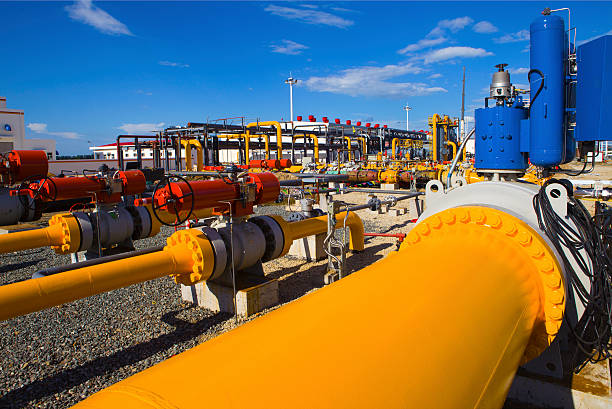
The monetisation programme of the central government worth Rs 6 trillion is starting by leasing out over 2,229km of gas pipelines of GAIL (India) Ltd to the private sector.

The government already started appointing finance advisers for the proposed deal, and many domestic and foreign investment banks have shown interest. By floating an infrastructure investment trust (InvIT), the plan is to monetize these assets where investors can put in funds and receive a part of the income as returns.

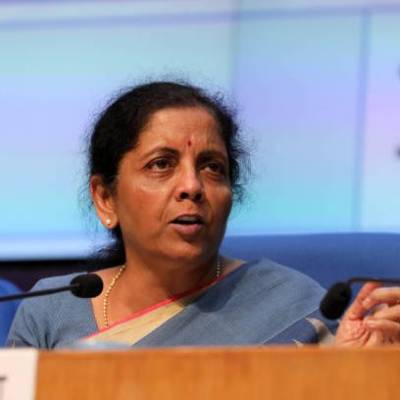
On 23 August, the finance minister, Nirmala Sitharaman, revealed plans to collect Rs 6 trillion between FY 2022-25 by renting various assets to the private sector as a part of a National monetisation Pipeline (NMP).

According to the media reports, the government believes that currently, GAIL pipelines have the strongest demand from private investors compared to all other assets headed for monetisation.

Recently, NITI Ayog informed that GAIL contributed to the development of the gas pipeline infrastructure and natural gas market. Currently, it has a gas pipeline network of 13,389 km, including a capacity of 204 million standard cu. m per day (mmscmd). The government plan is to monetize 8,154 km of these kinds of pipelines.

In recent years, GAIL has been running at 49-52% capacity usage levels. Though the cross-country pipelines record higher capacity utilisation levels, the total usage is still suboptimal.

For FY22, two pipelines with an overall length of 2,229 km Dahej-Uran-Panvel-Dabhol pipeline and the hol-Bengaluru pipeline, have been identified for monetisation. For FY 2023-25, an additional 5,925 km GAIL pipeline has been considered for monetisation.

The monetisation list of the government comprises 400 railway stations, 26,700 km of roads, 90 passenger trains, 286,000km of BharatNet fibre network, 28,608 circuit km transmission lines, and 14,917 towers maintained by Bharat Sanchar Nigam Ltd and Mahanagar Telecom Nigam Ltd. (BSNL).

Image Source


Also read: Govt’s infrastructure asset monetisation plan to raise Rs 6 lakh cr

Also read: Govt plans to monetise 25 AAI airports in next four years

The monetisation programme of the central government worth Rs 6 trillion is starting by leasing out over 2,229km of gas pipelines of GAIL (India) Ltd to the private sector. The government already started appointing finance advisers for the proposed deal, and many domestic and foreign investment banks have shown interest. By floating an infrastructure investment trust (InvIT), the plan is to monetize these assets where investors can put in funds and receive a part of the income as returns. On 23 August, the finance minister, Nirmala Sitharaman, revealed plans to collect Rs 6 trillion between FY 2022-25 by renting various assets to the private sector as a part of a National monetisation Pipeline (NMP). According to the media reports, the government believes that currently, GAIL pipelines have the strongest demand from private investors compared to all other assets headed for monetisation. Recently, NITI Ayog informed that GAIL contributed to the development of the gas pipeline infrastructure and natural gas market. Currently, it has a gas pipeline network of 13,389 km, including a capacity of 204 million standard cu. m per day (mmscmd). The government plan is to monetize 8,154 km of these kinds of pipelines. In recent years, GAIL has been running at 49-52% capacity usage levels. Though the cross-country pipelines record higher capacity utilisation levels, the total usage is still suboptimal. For FY22, two pipelines with an overall length of 2,229 km Dahej-Uran-Panvel-Dabhol pipeline and the hol-Bengaluru pipeline, have been identified for monetisation. For FY 2023-25, an additional 5,925 km GAIL pipeline has been considered for monetisation. The monetisation list of the government comprises 400 railway stations, 26,700 km of roads, 90 passenger trains, 286,000km of BharatNet fibre network, 28,608 circuit km transmission lines, and 14,917 towers maintained by Bharat Sanchar Nigam Ltd and Mahanagar Telecom Nigam Ltd. (BSNL). Image Source Also read: Govt’s infrastructure asset monetisation plan to raise Rs 6 lakh cr Also read: Govt plans to monetise 25 AAI airports in next four years

Next Story
Infrastructure Transport

Railways Sets New Records In Passenger And Freight

Indian Railways reported record performance in 2025–26, registering gains in both passenger operations and freight. Passenger carriage rose to 7,410 mn in the year, an increase of 3.54 per cent over 7,160 mn in 2024–25, while passenger revenue increased to Rs 800 bn, up 5.96 per cent from Rs 755 bn. These outcomes reflect improvements in operational efficiency and growing reliance on rail transport for mobility and commerce. Freight loading reached 1,670 mn t in 2025–26, a rise of 3.25 per cent year on year, driven by higher bulk movements and improved logistics. The number of wagons han..

Next Story
Infrastructure Transport

NHAI Reports Robust National Highway Growth in FY 2025-26

The National Highways Authority of India reported continued progress in national highway development during the financial year 2025-26, completing 5,313 km of national highways, which was about 15 per cent higher than the target of 4,640 km for the year. The agency said the construction output reflected sustained project execution across regions and phases. The achievement follows policy priorities to expand connectivity and reduce travel times. The work included upgrades and new corridors intended to improve safety and reduce congestion on key routes. Capital expenditure by the authority for ..

Next Story
Infrastructure Urban

India SDG Dashboard Launched by Ministry of Statistics

The Ministry of Statistics and Programme Implementation (MoSPI) has developed the India Sustainable Development Goals Dashboard in partnership with the United Nations Resident Coordinator Office (UNRCO). The dashboard serves as a centralised data platform for monitoring SDG indicators aligned with the National Indicator Framework (NIF). It provides consolidated access to indicator data to support evidence based planning and monitoring. The platform aims to streamline indicator tracking and support evidence based decision making across levels of government. MoSPI regularly releases a range of s..

Advertisement

Subscribe to Our Newsletter

Get daily newsletters around different themes from Construction world.

STAY CONNECTED

Advertisement

Advertisement

Advertisement