

+
India Expands LNG Infra to Boost Gas-Based Economy
OIL & GAS

India Expands LNG Infra to Boost Gas-Based Economy

Government Expands LNG Infrastructure to Meet Growing Gas Demand
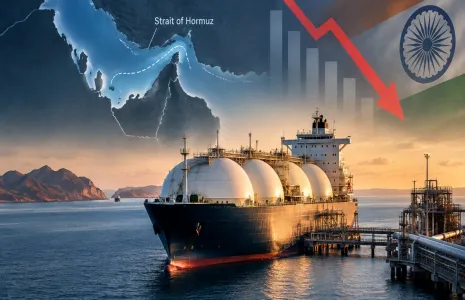
India meets its natural gas demand through a combination of domestic production and imports of Liquefied Natural Gas (LNG). To support the transition to a gas-based economy, the government has introduced several initiatives to increase LNG availability across various sectors.
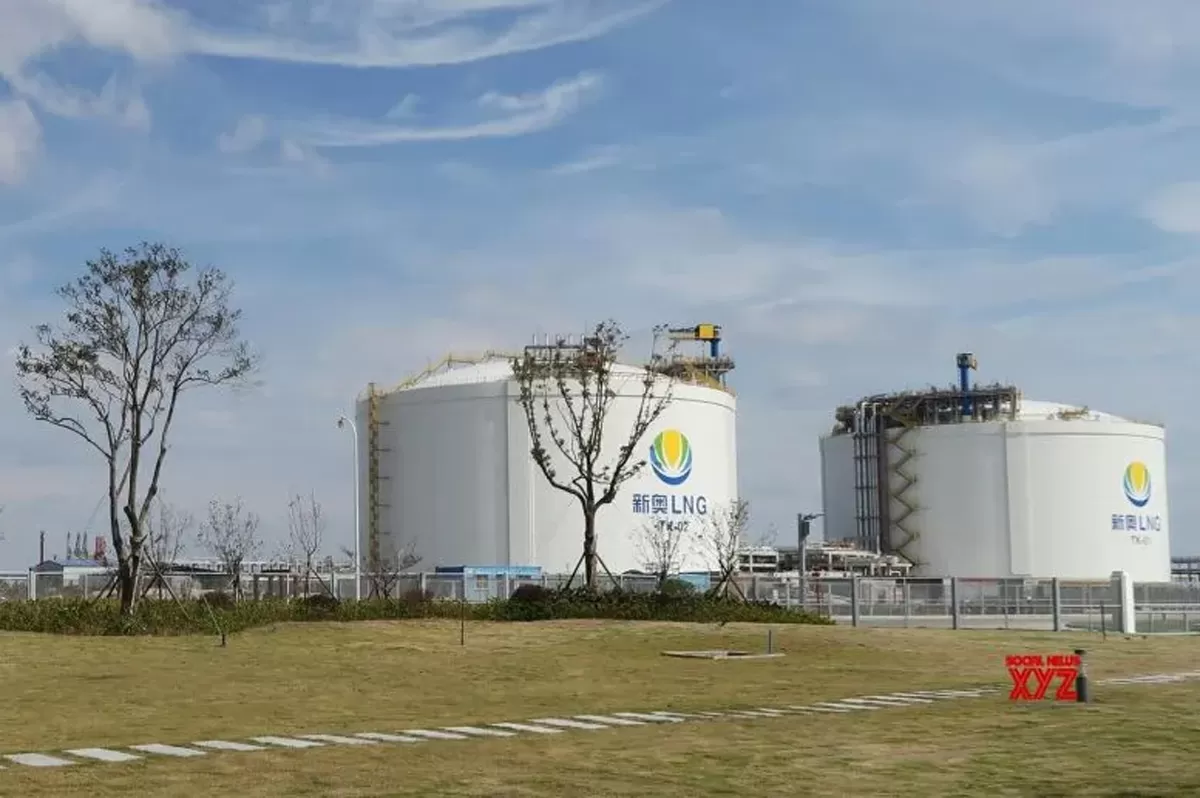
These include permitting 100 per cent Foreign Direct Investment (FDI) under the automatic route for the development of LNG infrastructure, such as LNG terminals, and allowing LNG imports under the Open General Licence (OGL) category. At present, eight LNG regasification terminals are operational across the country, with a total capacity of approximately 52.7 million metric tonnes per annum (MMTPA).
The government is also promoting the development of LNG retail stations along major road networks, including the Golden Quadrilateral, North-South and East-West corridors, and in key mining regions. So far, 13 LNG retail stations have been commissioned by state-owned oil and gas companies, while 16 privately owned LNG stations are also operational.
To further boost LNG as a transport fuel, the government has formally recognised LNG for vehicular use and notified relevant emission standards. Amendments to the Static and Mobile Pressure Vessels (Unfired) Rules, 2025 now allow LNG-fuelled vehicles, whether spark or compression ignition, to operate in hazardous zones. These amendments also permit mobile LNG dispensing in sectors such as railways, mining, waterways, and laboratories.
Additionally, the Petroleum and Natural Gas Regulatory Board (PNGRB) issued a notification in 2020 allowing entities to establish LNG retail outlets (ROs) for dispensing LNG in liquid form for the transport sector, even without CGD (City Gas Distribution) authorisation.
This update was provided by Shri Suresh Gopi, Minister of State in the Ministry of Petroleum and Natural Gas, in a written reply to the Lok Sabha. 

Government Expands LNG Infrastructure to Meet Growing Gas DemandIndia meets its natural gas demand through a combination of domestic production and imports of Liquefied Natural Gas (LNG). To support the transition to a gas-based economy, the government has introduced several initiatives to increase LNG availability across various sectors.These include permitting 100 per cent Foreign Direct Investment (FDI) under the automatic route for the development of LNG infrastructure, such as LNG terminals, and allowing LNG imports under the Open General Licence (OGL) category. At present, eight LNG regasification terminals are operational across the country, with a total capacity of approximately 52.7 million metric tonnes per annum (MMTPA).The government is also promoting the development of LNG retail stations along major road networks, including the Golden Quadrilateral, North-South and East-West corridors, and in key mining regions. So far, 13 LNG retail stations have been commissioned by state-owned oil and gas companies, while 16 privately owned LNG stations are also operational.To further boost LNG as a transport fuel, the government has formally recognised LNG for vehicular use and notified relevant emission standards. Amendments to the Static and Mobile Pressure Vessels (Unfired) Rules, 2025 now allow LNG-fuelled vehicles, whether spark or compression ignition, to operate in hazardous zones. These amendments also permit mobile LNG dispensing in sectors such as railways, mining, waterways, and laboratories.Additionally, the Petroleum and Natural Gas Regulatory Board (PNGRB) issued a notification in 2020 allowing entities to establish LNG retail outlets (ROs) for dispensing LNG in liquid form for the transport sector, even without CGD (City Gas Distribution) authorisation.This update was provided by Shri Suresh Gopi, Minister of State in the Ministry of Petroleum and Natural Gas, in a written reply to the Lok Sabha. 

Related Stories

Gold Stories
Next Story
Infrastructure Transport

Mumbai-Ahmedabad Bullet Train’s Surat-Vapi Section Set for 2027

The first section of the Mumbai-Ahmedabad Bullet Train corridor, linking Surat and Vapi, is targeted to begin services in 2027. Construction is expected to be completed by December 2026, while Railway Minister Ashwini Vaishnaw has indicated that an inauguration could take place around the middle of 2027. The National High Speed Rail Corporation (NHSRCL) said the train being manufactured in India is expected to reach the tracks around April or May 2027. The train will undergo extensive testing before the section is opened for passenger services. The project began construction in 2021 and includ..

Next Story
Infrastructure Transport

Indian Railways Approves Four Projects Worth Rs. 7.36 bn Across Four States

Indian Railways has approved four projects with a combined value of Rs. 7.36 bn across Uttar Pradesh, Maharashtra, Andhra Pradesh and Gujarat. The programme covers train protection, signalling, electric traction supply and a road overbridge, with each project assigned to a different railway zone. In Uttar Pradesh, Rs. 2.52 bn has been approved to extend the Kavach 4.0 automatic train protection system across 607.7 km in the Lucknow Division of North Eastern Railway. The system monitors train movements and can apply the brakes if a driver fails to observe a signal or exceeds a safe speed. The w..

Next Story
Infrastructure Urban

Chandru Raheja Sells 1.49% Stake in Mindspace REIT for Rs. 5 bn

Billionaire Chandru Lachmandas Raheja has sold a 1.49 per cent holding in Mindspace Business Parks REIT for Rs. 5 bn through a bulk deal on the BSE. The transaction involved 9.9 mn units and was executed at an average price of Rs. 505 per unit, according to exchange data. Following the sale, units of Mindspace Business Parks REIT were trading 0.18 per cent lower at Rs. 504.05 on Tuesday. Exchange data did not identify the buyers involved in the transaction. Raheja is the chairman of real estate company K Raheja Corp. The sale involved 99,00,990 units, representing 1.49 per cent of the Mumbai-b..

Advertisement

Subscribe to Our Newsletter

Get daily newsletters around different themes from Construction world.

STAY CONNECTED

Advertisement

SPECIAL OFFER
QR Code