+
India Ramps Up Domestic LPG Production Amid Middle East Tensions
OIL & GAS

India Ramps Up Domestic LPG Production Amid Middle East Tensions

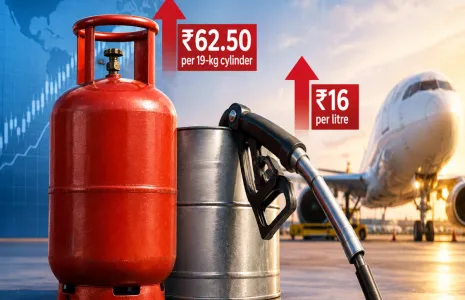
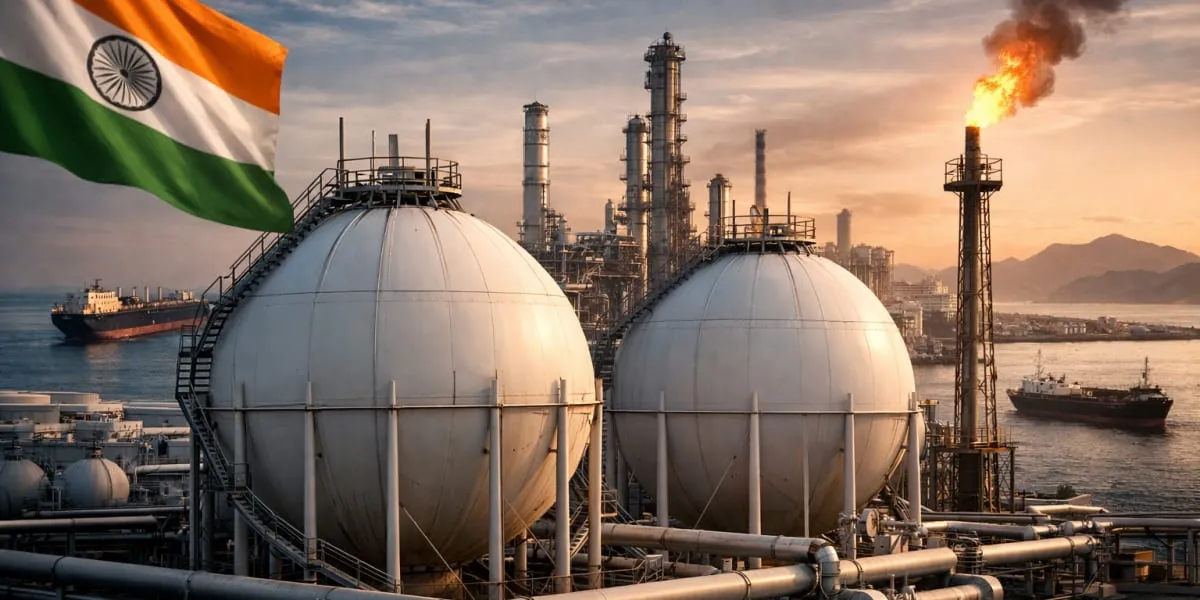
India has directed refineries to increase production of liquefied petroleum gas to secure domestic supplies amid concerns that the Iran–Israel conflict could disrupt global energy flows through the Strait of Hormuz. The Ministry of Petroleum and Natural Gas issued an order requiring refiners to maximise use of propane and butane streams for LPG production and to prioritise domestic output. The Strait of Hormuz is a critical shipping route for energy shipments to Asia, heightening concern about potential supply interruptions.

Companies have been instructed to make supplies available to state-run oil marketing companies Indian Oil Corporation, Bharat Petroleum Corporation and Hindustan Petroleum Corporation and not to divert propane or butane to petrochemical production or other downstream derivatives. The direction is intended to preserve household cooking gas availability as geopolitical instability tightens global energy supply chains. Authorities have emphasised that refinery feedstock allocation must support domestic distribution.

India uses around 33.15 million (mn) metric tonnes annually of LPG, with imports accounting for roughly two-thirds of total demand and 85 to 90 per cent of those imports coming from the Middle East, making the country particularly sensitive to regional disruptions. India currently has more than 330 million (mn) LPG consumers who depend on the fuel for cooking. Officials view the directive as part of a broader effort by policymakers to shield the domestic market from global volatility and to ensure uninterrupted supply.

The central directive forms part of contingency planning to maintain stable household supplies while global tensions persist and to manage refinery utilisation and distribution. Industry participants are likely to need short-term adjustments in refinery operations and feedstock allocations to meet the mandate. The ministry will monitor refinery utilisation and domestic distribution to ensure supplies reach state marketing companies and end users.

India has directed refineries to increase production of liquefied petroleum gas to secure domestic supplies amid concerns that the Iran–Israel conflict could disrupt global energy flows through the Strait of Hormuz. The Ministry of Petroleum and Natural Gas issued an order requiring refiners to maximise use of propane and butane streams for LPG production and to prioritise domestic output. The Strait of Hormuz is a critical shipping route for energy shipments to Asia, heightening concern about potential supply interruptions. Companies have been instructed to make supplies available to state-run oil marketing companies Indian Oil Corporation, Bharat Petroleum Corporation and Hindustan Petroleum Corporation and not to divert propane or butane to petrochemical production or other downstream derivatives. The direction is intended to preserve household cooking gas availability as geopolitical instability tightens global energy supply chains. Authorities have emphasised that refinery feedstock allocation must support domestic distribution. India uses around 33.15 million (mn) metric tonnes annually of LPG, with imports accounting for roughly two-thirds of total demand and 85 to 90 per cent of those imports coming from the Middle East, making the country particularly sensitive to regional disruptions. India currently has more than 330 million (mn) LPG consumers who depend on the fuel for cooking. Officials view the directive as part of a broader effort by policymakers to shield the domestic market from global volatility and to ensure uninterrupted supply. The central directive forms part of contingency planning to maintain stable household supplies while global tensions persist and to manage refinery utilisation and distribution. Industry participants are likely to need short-term adjustments in refinery operations and feedstock allocations to meet the mandate. The ministry will monitor refinery utilisation and domestic distribution to ensure supplies reach state marketing companies and end users.

Next Story
Infrastructure Urban

Implementation Status of Jal Jeevan Mission

Since August 2019 the Government has implemented Jal Jeevan Mission to provide assured potable water through household tap connections in rural India. At the start of the mission only 32.3 million (mn) rural households, representing 16.7 per cent, were reported to have tap water connections. States and union territories have reported that 125.8 mn additional rural households have since been provided with tap connections. As a result, of about 193.6 mn rural households roughly 158.2 mn, or 81.71 per cent, are reported to have tap water supply at home.\n\nThe State, district and village level st..

Next Story
Infrastructure Urban

Jal Jeevan Mission Reaches Eighty One Per Cent Rural Coverage

The Government reported substantial progress under the Jal Jeevan Mission, launched in August 2019 to provide tap water to every rural household. At launch only 32.3 million (mn) rural households had tap connections and states and Union territories reported provision of 125.8 mn additional households by March 2026. Consequently, out of about 193.6 mn rural households around 158.2 mn, or 81.71 per cent, are reported to have tap water at home. The Finance Minister announced extension of the mission until 2028 in the 2025-26 budget speech. The Swachh Bharat Mission Grameen, launched in October 20..

Next Story
Infrastructure Urban

Empowering Local Governance for Sustainable Rural Water Supply

The Ministry of Jal Shakti has aligned the Jal Jeevan Mission (JJM) with the 73rd Amendment to strengthen village level planning and community ownership of water supply. Gram Panchayats, village water and sanitation committees and Pani Samitis are to plan, implement, manage and maintain piped water systems, with gram sabha processes formalising handover and oversight. Implementation support agencies including non government organisations, community based organisations and self help groups have been empanelled to train local committees and promote women participation. Under JJM, the department ..

Advertisement

Subscribe to Our Newsletter

Get daily newsletters around different themes from Construction world.

STAY CONNECTED

Advertisement

Advertisement

Advertisement