

42MM Designs Climate-Responsive Summer Home
Real Estate

42MM Designs Climate-Responsive Summer Home

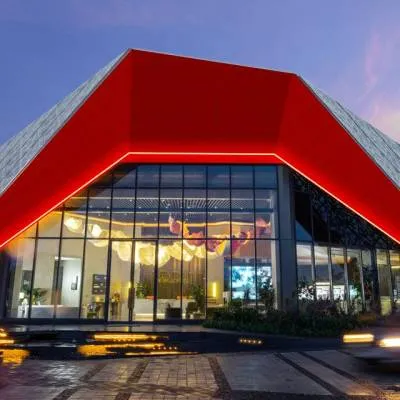
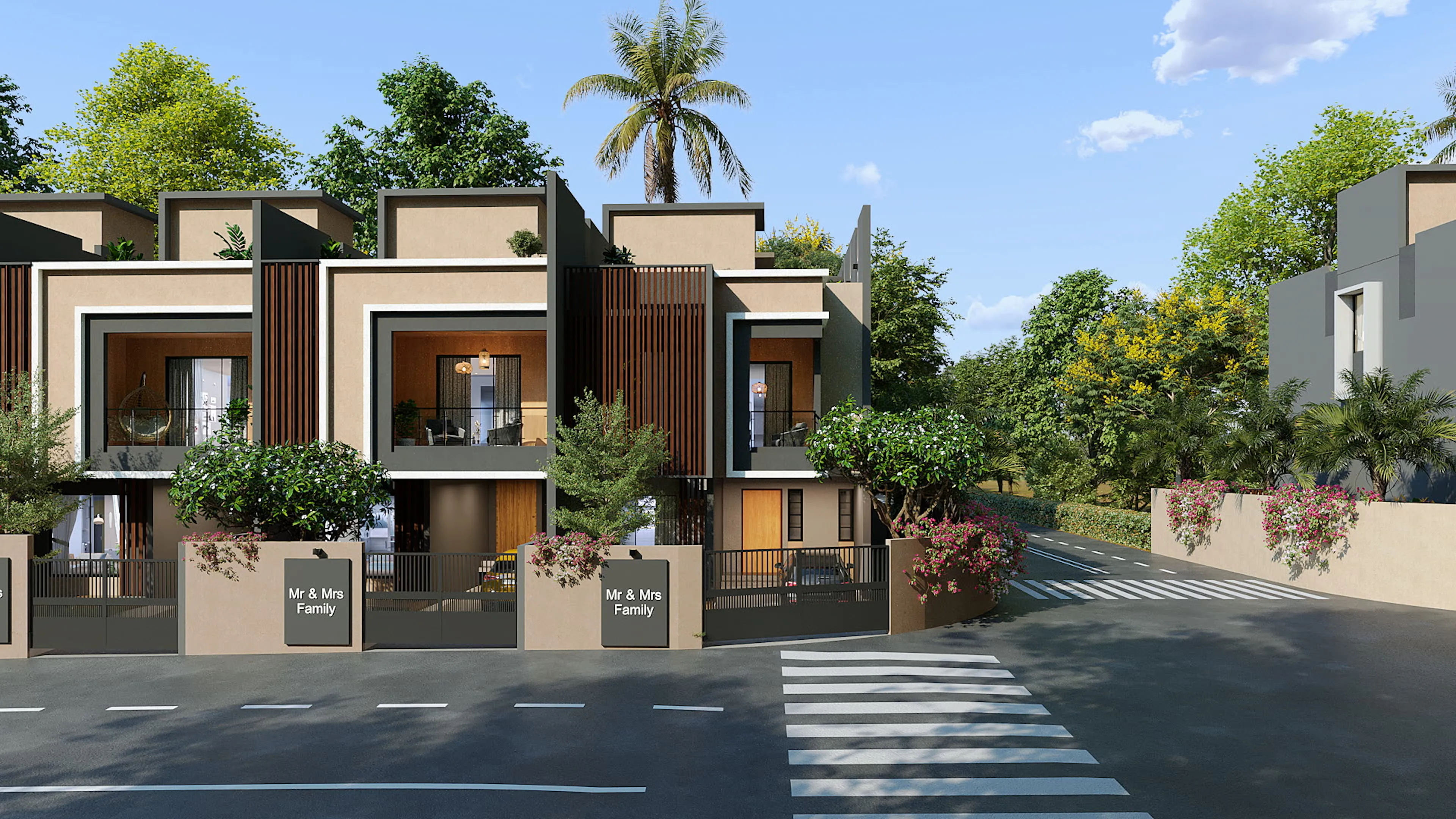
42MM Architecture has introduced Spaces That Breathe: Designing Homes Around Summer Rhythms, a residence designed around the realities of Indian summers. The home responds to heat through built form, orientation, shading and material use rather than relying primarily on applied systems.

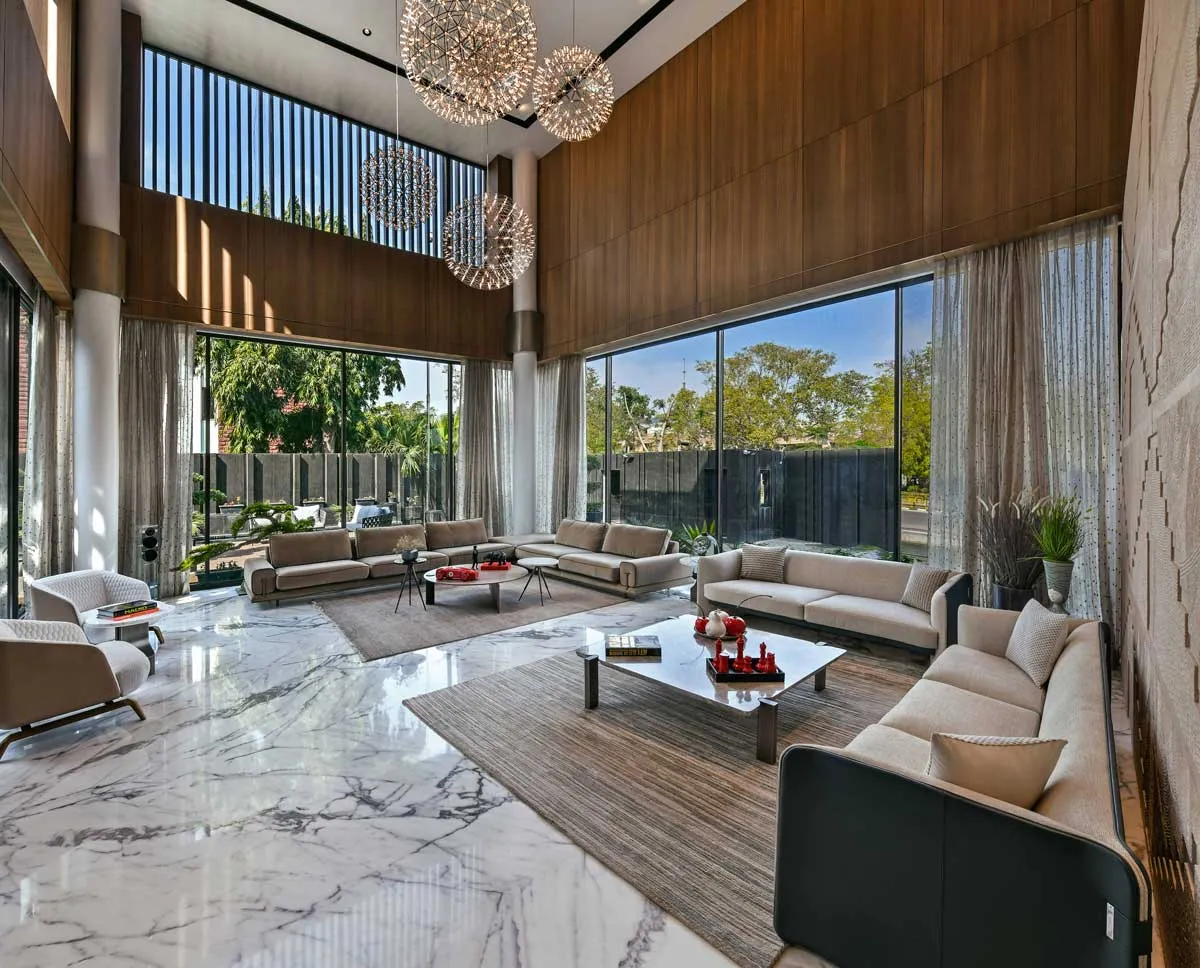
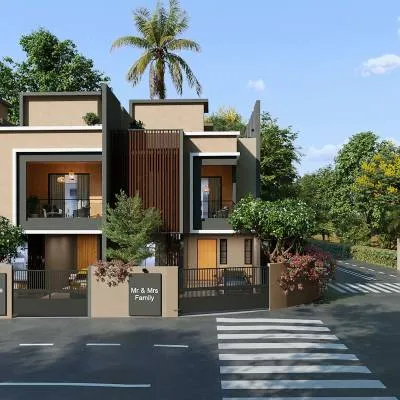
The design is arranged as layered volumes, with projecting upper floors, recessed glazing, shaded edges, vertical fins and screened facades helping reduce heat gain while supporting controlled ventilation. A central landscaped court brings light and air into the house, while living areas are oriented towards this open core to enable cross-ventilation and visual continuity.

Transitional spaces such as decks, terraces and semi-covered edges create a gradual connection between indoor and outdoor areas. Stone, wood, textured surfaces, timber-toned louvers, polished stone and muted finishes support thermal performance, durability and light reflection.

The design uses recessed glazed panels, deep overhangs, vertical fins and double-height volumes to manage glare, solar exposure and daylight. According to 42MM Architecture, the project reflects its focus on climate-responsive design, where shading, airflow and orientation are integrated into the architecture to reduce dependence on mechanical systems.

42MM Architecture has introduced Spaces That Breathe: Designing Homes Around Summer Rhythms, a residence designed around the realities of Indian summers. The home responds to heat through built form, orientation, shading and material use rather than relying primarily on applied systems.The design is arranged as layered volumes, with projecting upper floors, recessed glazing, shaded edges, vertical fins and screened facades helping reduce heat gain while supporting controlled ventilation. A central landscaped court brings light and air into the house, while living areas are oriented towards this open core to enable cross-ventilation and visual continuity.Transitional spaces such as decks, terraces and semi-covered edges create a gradual connection between indoor and outdoor areas. Stone, wood, textured surfaces, timber-toned louvers, polished stone and muted finishes support thermal performance, durability and light reflection.The design uses recessed glazed panels, deep overhangs, vertical fins and double-height volumes to manage glare, solar exposure and daylight. According to 42MM Architecture, the project reflects its focus on climate-responsive design, where shading, airflow and orientation are integrated into the architecture to reduce dependence on mechanical systems.

Next Story
Resources

Jyoti Structures Launches Heat Safety Drive Across Sites

Jyoti Structures (JSL) has strengthened heat safety measures across its project sites and manufacturing facilities as temperatures rise across India. The company has implemented a Summer Safety Plan covering all transmission line projects to address risks related to heat stress, dehydration and worker fatigue.The initiative includes rescheduling work away from peak afternoon temperatures, provision of drinking water, ORS and lemon-salt solutions, and installation of rest shelters near work areas. Daily toolbox talks, worker health monitoring, first-aid preparedness, emergency transport arrange..

Next Story
Real Estate

MHADA Declares 82 Buildings Most Dangerous in Central and South Mumbai

The Maharashtra Housing and Area Development Authority (MHADA) has declared 82 buildings as most dangerous across Central and South Mumbai and has appealed to residents to vacate immediately. The list, prepared after structural assessments by the authority, identifies buildings judged to pose imminent risk to occupants and to passersby. Local civic bodies have been asked to coordinate evacuations and to make arrangements for temporary shelter and rehabilitation for displaced households. Officials said the authority prioritised buildings with visible structural distress, severe cracking, tiltin..

Next Story
Infrastructure Transport

Damage Reported At Halwara Airport Terminal After First Rains

Severe damage was reported at the terminal of Halwara Airport during the first major rain spell of the season, prompting immediate concern among aviation and local authorities. Images from the site showed water ingress and visible deterioration of the terminal interior, affecting passenger areas and ancillary services. The airport authority suspended certain operations temporarily to assess structural safety and ensure passenger wellbeing. Preliminary inspections have prioritised electrical systems and roof seals to prevent further water ingress. State aviation officials ordered a formal inqui..

Advertisement

Subscribe to Our Newsletter

Get daily newsletters around different themes from Construction world.

STAY CONNECTED

Advertisement

Advertisement

Advertisement

-->