



Monsoon Rains Impact Diesel Sales in India
OIL & GAS

Monsoon Rains Impact Diesel Sales in India

Impact of Monsoon:

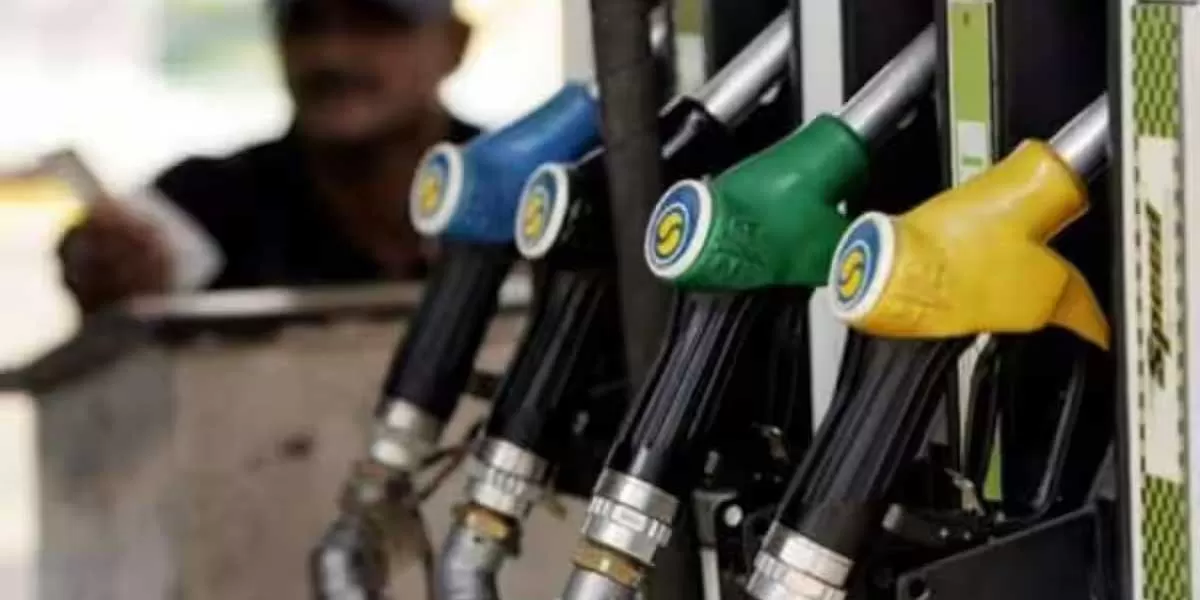
Recent monsoon rains in India have led to a decline in diesel sales across several states. The heavy rains have disrupted economic activities and logistics, affecting the demand for diesel. Sales Data:

Data from state retailers indicates a noticeable drop in diesel consumption during the monsoon period. This trend is attributed to lower transportation activity and reduced agricultural operations due to adverse weather conditions. Regional Variations:

The impact on diesel sales varies by region, with states experiencing more intense rains seeing a sharper decline. Retailers in affected areas report a slowdown in fuel purchases by commercial and agricultural sectors. Economic Effects:

The reduction in diesel sales can lead to reduced revenue for state-run oil marketing companies. Economic disruptions caused by heavy rains could also impact overall growth and business operations in the affected regions. Future Outlook:

Analysts anticipate that as monsoon rains taper off, diesel sales may recover gradually. Monitoring of fuel consumption patterns will be crucial to understand the full impact and recovery trajectory. Government Response:

Authorities are expected to monitor the situation closely and consider interventions if necessary to support the affected sectors. There may be adjustments in fuel pricing or support measures to mitigate the economic impact on retailers and consumers. Broader Implications:

The situation underscores the vulnerability of fuel sales to weather conditions and highlights the need for resilient supply chains. It also emphasizes the importance of diversifying energy sources to reduce dependency on diesel and enhance supply stability. Conclusion: Monsoon rains have significantly impacted diesel sales in India, disrupting economic activities and causing a decline in fuel consumption. While recovery is expected as weather conditions improve, the situation highlights the need for resilient supply chains and diversified energy sources.

Impact of Monsoon: Recent monsoon rains in India have led to a decline in diesel sales across several states. The heavy rains have disrupted economic activities and logistics, affecting the demand for diesel. Sales Data: Data from state retailers indicates a noticeable drop in diesel consumption during the monsoon period. This trend is attributed to lower transportation activity and reduced agricultural operations due to adverse weather conditions. Regional Variations: The impact on diesel sales varies by region, with states experiencing more intense rains seeing a sharper decline. Retailers in affected areas report a slowdown in fuel purchases by commercial and agricultural sectors. Economic Effects: The reduction in diesel sales can lead to reduced revenue for state-run oil marketing companies. Economic disruptions caused by heavy rains could also impact overall growth and business operations in the affected regions. Future Outlook: Analysts anticipate that as monsoon rains taper off, diesel sales may recover gradually. Monitoring of fuel consumption patterns will be crucial to understand the full impact and recovery trajectory. Government Response: Authorities are expected to monitor the situation closely and consider interventions if necessary to support the affected sectors. There may be adjustments in fuel pricing or support measures to mitigate the economic impact on retailers and consumers. Broader Implications: The situation underscores the vulnerability of fuel sales to weather conditions and highlights the need for resilient supply chains. It also emphasizes the importance of diversifying energy sources to reduce dependency on diesel and enhance supply stability. Conclusion: Monsoon rains have significantly impacted diesel sales in India, disrupting economic activities and causing a decline in fuel consumption. While recovery is expected as weather conditions improve, the situation highlights the need for resilient supply chains and diversified energy sources.

Next Story
Infrastructure Transport

Indian Railways Sanctions Adra Bridge Reconstruction Project

Indian Railways has approved an infrastructure project worth Rs 2235.8 million (Rs 2235.8 mn) for the reconstruction and strengthening of Bridge No 520 (UP and DN) on the Madhukunda–Damodar section under the South Eastern Railway’s Adra Division. The sanction covers rebuilding the bridge substructure together with associated yard remodelling and track improvement works in the approach areas. The project was sanctioned by central railway authorities to address long standing structural concerns. The funding forms part of routine capital works for the division. The existing Damodar bridge was..

Next Story
Infrastructure Transport

More Than 4,000 Trees To Be Felled For Meghalaya Road Project

The Union ministry of environment, forest and climate change advisory committee granted in-principle approval for the diversion of 34.88 hectares of reserved and deemed forest area in East and North Garo Hills districts for improvement and widening of National Highway 127B. The clearance covers road work on the Darugiri–Songsak–Williamnagar junction that links Shillong via West Khasi Hills to East and North Garo Hills while bypassing Guwahati. The project requires the felling of 4,444 trees in the forest tract. Forest department submissions to the committee indicated that the area supports..

Next Story
Infrastructure Transport

Centre Achieves 98 Per Cent Of FY26 Capex Target

The Centre achieved Rs 10.75 trillion (Rs 10.75 tn), or 98 per cent, of its revised capital expenditure target of Rs 10.96 trillion (Rs 10.96 tn) for FY26, a senior official said. The Budget presented on February one had revised the FY26 capex target downward from the budget estimate of Rs 11.21 trillion (Rs 11.21 tn). The official said the capex achievement was very good and that momentum in asset creating expenditure continued. The capex push was led by the Railway Board and the National Highways Authority of India, which together accounted for 47 per cent of total capital expenditure in FY2..

Advertisement

Subscribe to Our Newsletter

Get daily newsletters around different themes from Construction world.

STAY CONNECTED

Advertisement

Advertisement

Advertisement