Puducherry Tightens Groundwater Rules, Extraction Falls
WATER & WASTE

Puducherry Tightens Groundwater Rules, Extraction Falls

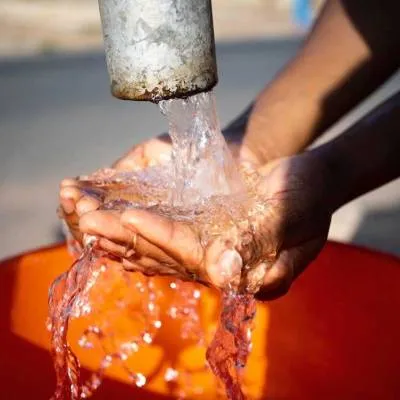
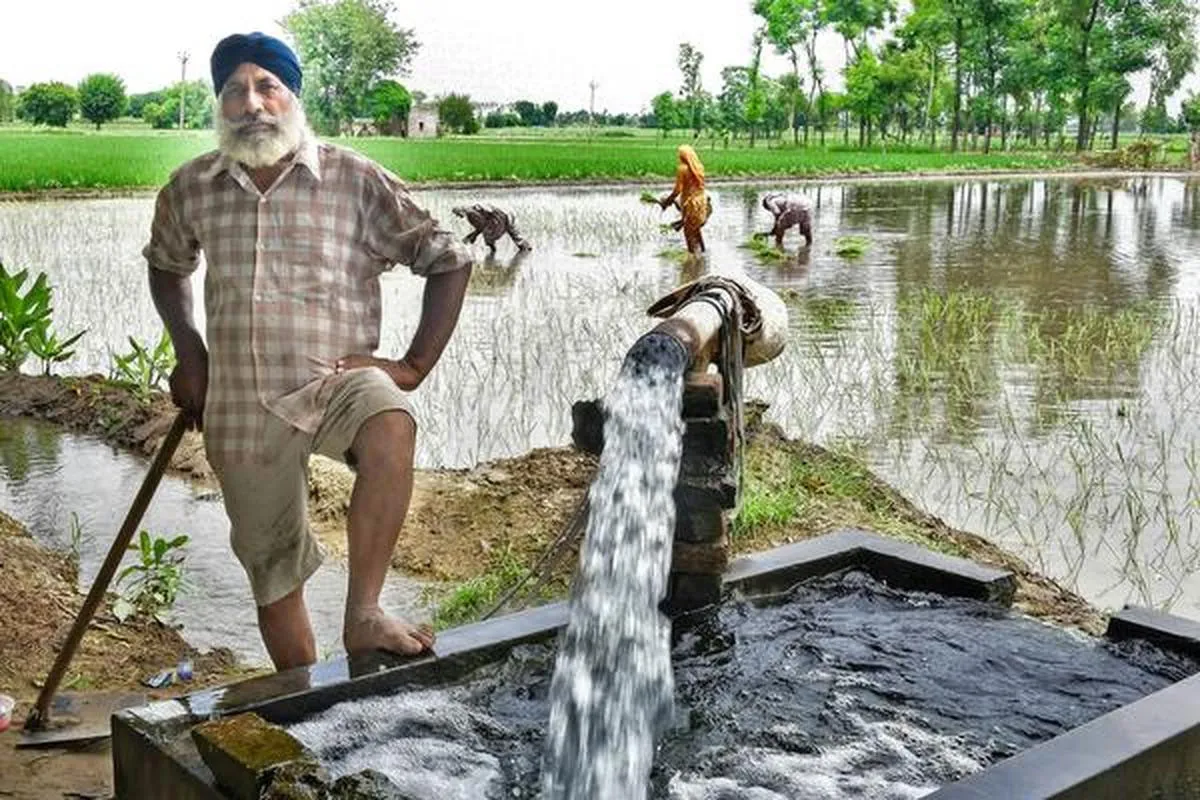
In the Union Territory of Puducherry, the Pondicherry Ground Water Authority regulates groundwater extraction through a system of permits and renewals issued to users. According to information from the State Government, Puducherry issued G.O. Ms. No. 2/Ag dated 12 April 2023, published in Gazette No. 41 on 18 April 2023, revising earlier provisions related to fees and regulations. The order is aligned with the Groundwater Extraction Guidelines issued by the Central Ground Water Authority on 24 September 2020.

The Authority issues permits and renewal certificates for groundwater extraction intended for industrial activity, infrastructure development and bulk water supply. Groundwater users have also been instructed to build additional rainwater harvesting structures to enhance recharge and raise the water table. As a result of consistent monitoring and follow-up, around 223 rainwater harvesting structures have been constructed.

Due to these strengthened regulatory measures, data from the Central Ground Water Board shows that total annual groundwater extraction in Puducherry and Karaikal districts has marginally declined from 0.15 billion cubic metres in 2020 to 0.13 billion cubic metres in 2025.

The information was provided by the Minister of State for Jal Shakti, Shri Raj Bhushan Choudhary, in a written reply in the Rajya Sabha.

In the Union Territory of Puducherry, the Pondicherry Ground Water Authority regulates groundwater extraction through a system of permits and renewals issued to users. According to information from the State Government, Puducherry issued G.O. Ms. No. 2/Ag dated 12 April 2023, published in Gazette No. 41 on 18 April 2023, revising earlier provisions related to fees and regulations. The order is aligned with the Groundwater Extraction Guidelines issued by the Central Ground Water Authority on 24 September 2020. The Authority issues permits and renewal certificates for groundwater extraction intended for industrial activity, infrastructure development and bulk water supply. Groundwater users have also been instructed to build additional rainwater harvesting structures to enhance recharge and raise the water table. As a result of consistent monitoring and follow-up, around 223 rainwater harvesting structures have been constructed. Due to these strengthened regulatory measures, data from the Central Ground Water Board shows that total annual groundwater extraction in Puducherry and Karaikal districts has marginally declined from 0.15 billion cubic metres in 2020 to 0.13 billion cubic metres in 2025. The information was provided by the Minister of State for Jal Shakti, Shri Raj Bhushan Choudhary, in a written reply in the Rajya Sabha.

Next Story
Infrastructure Urban

Atal Bhujal Pilot Shows Gains In Karnataka Water Management

Atal Bhujal Yojana, introduced as a pilot initiative for participatory groundwater management, was implemented in priority water-stressed regions across seven States. In Karnataka, the programme covered 1,199 Gram Panchayats across 14 districts, including Bagalkot, Belagavi, Bengaluru Rural, Chamarajanagar, Chikkaballapur, Chikkamagaluru, Chitradurga, Davanagere, Gadag, Hassan, Kolar, Ramanagara, Tumakuru and Vijayanagar. The pilot has significantly improved groundwater governance through sustained community involvement. The establishment of Participatory Groundwater Management Committees, th..

Next Story
Infrastructure Urban

India Expands Digital Tools For Groundwater And Water Mapping

Atal Bhujal Yojana, a community-led groundwater management initiative, was implemented as a pilot across 8,203 priority water-stressed Gram Panchayats in seven States — Gujarat, Haryana, Karnataka, Madhya Pradesh, Maharashtra, Rajasthan and Uttar Pradesh. The scheme sought to improve groundwater management through community participation and demand-side interventions, reinforcing sustainability by strengthening institutions, governance frameworks and offering incentives for conservation at grassroots level. Under the Jal Shakti Abhiyan: Catch the Rain (JSA: CTR) campaign, overseen by the Mi..

Next Story
Infrastructure Urban

Maharashtra Reports Steady Progress On Water Conservation Efforts

Water is a State subject, and the responsibility for the conservation, planning, implementation, funding and execution of water resource management lies primarily with State Governments. The Central Government plays a supplementary role, supporting State-led initiatives. According to information provided by the Government of Maharashtra, the State has been consistently reviewing the progress of its Jal Sanchay Jan Bhagidari initiatives, including the Jal Shakti Abhiyan and the Amrit Sarovar programme. These reviews focus on strengthening community participation and ensuring measurable, on-gro..

Advertisement

Subscribe to Our Newsletter

Get daily newsletters around different themes from Construction world.

STAY CONNECTED

Advertisement

Advertisement

Advertisement

Get CW App